Pest Control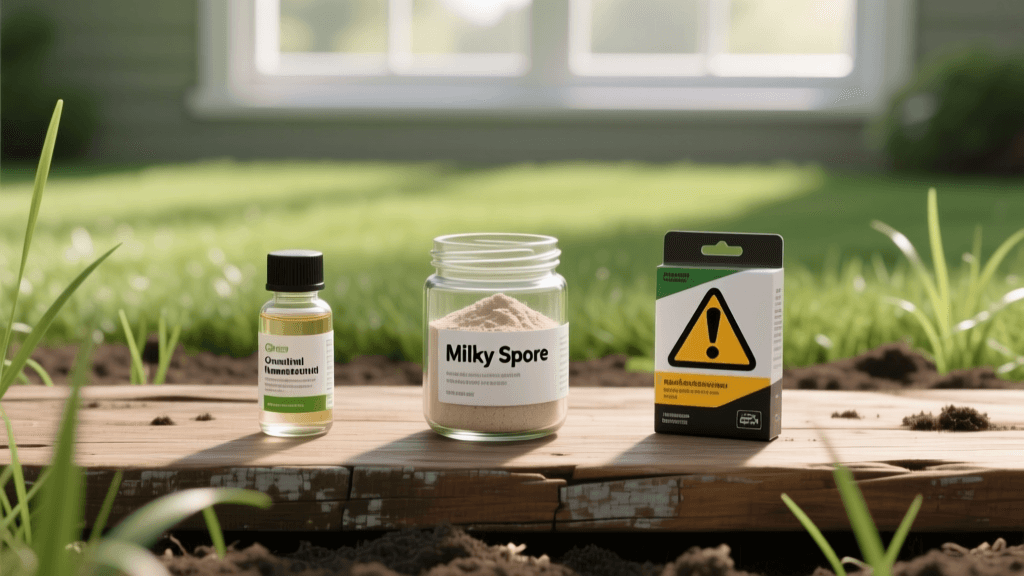
Top Grub Control Products: Nematodes vs Milky Spore
The Hidden Threat Beneath Your Turf
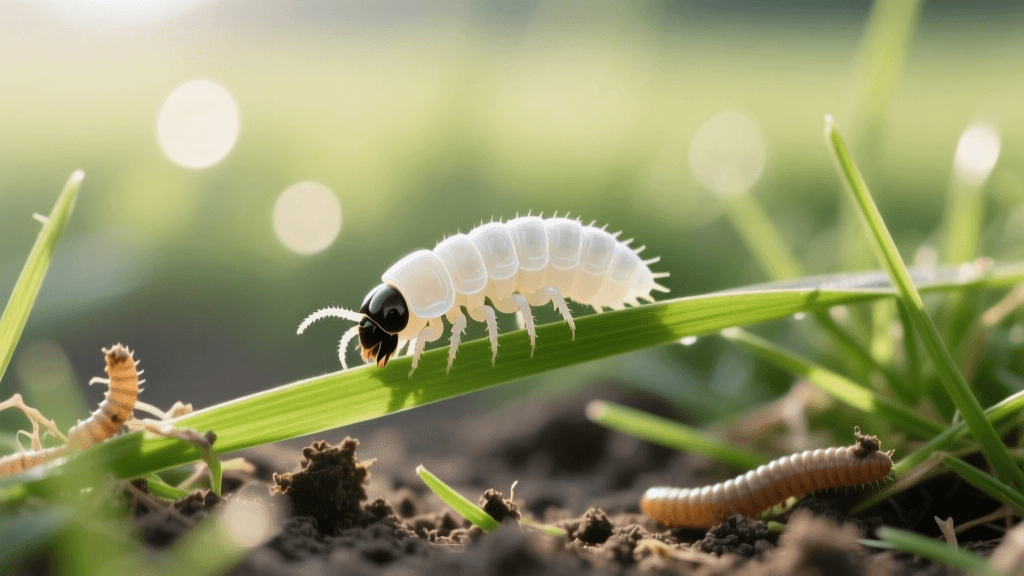
White grubs are the larval stage of various scarab beetles, including Japanese beetles, June bugs, and European chafers. These C-shaped, cream-colored pests feed aggressively on grassroots, severing the turf from its soil base. If left unchecked, a severe grub infestation can destroy an entire lawn in a matter of weeks, leaving behind spongy, brown patches that roll back like loose carpet. Furthermore, grubs attract secondary pests such as skunks, raccoons, and crows, which will tear up your yard to feast on the protein-rich larvae.
As a senior writer for Lawns Guide, I have tested and reviewed dozens of pest control solutions. Today, we are diving deep into a specific subtopic of Integrated Pest Management (IPM): comparing the most popular grub control products on the market. Whether you prefer organic biological controls or modern, low-toxicity chemical preventatives, understanding the nuances of each product is critical for saving your turf.
Integrated Pest Management: A Modern Approach to Grubs
Integrated Pest Management (IPM) emphasizes using the most environmentally sensitive approach to pest control. In the context of lawn grubs, IPM does not necessarily mean eradication; a healthy lawn can tolerate up to five to ten grubs per square foot without showing damage. However, when populations exceed this threshold, intervention is required. The modern IPM approach shifts away from broad-spectrum, highly toxic organophosphates and leans toward biological controls and targeted, reduced-risk chemicals. Below, we review three distinct categories of grub control products to help you make an informed decision.
Product Review 1: Beneficial Nematodes (Heterorhabditis bacteriophora)
Beneficial nematodes are microscopic, unsegmented worms that occur naturally in soil. For grub control, the specific strain you need is Heterorhabditis bacteriophora (often abbreviated as Hb nematodes). Products like BioLogic NemAttack or Arbico Organics NemaSeek package these living organisms in a dormant state, ready to be mixed with water and applied via a hose-end sprayer.
How It Works
Once applied to the soil, Hb nematodes actively hunt for grub larvae. They enter the grub through natural body openings and release a symbiotic bacteria that kills the host within 48 hours. The nematodes then reproduce inside the dead grub, releasing a new generation of predators into the soil to hunt for more pests.
Application and Timing
Timing is everything with nematodes. They must be applied when grubs are young, small, and feeding near the soil surface—typically late summer to early fall (August through September). Soil temperatures must be between 60°F and 85°F. Because they are living organisms, you must apply them in the early morning or late evening to avoid UV light degradation, and immediately water the lawn with at least 1/2 inch of water to wash them into the thatch and soil layer.
Cost and Efficacy
Expect to pay between $40 and $60 to treat 5,000 square feet. While highly effective (often achieving 80% to 90% mortality rates when applied correctly), they require strict adherence to soil moisture and temperature guidelines. If the soil dries out, the nematodes will die.
Product Review 2: Milky Spore Disease (Paenibacillus popilliae)
Milky Spore is a naturally occurring bacterium that specifically targets the larvae of the Japanese beetle. The most recognized brand in this space is St. Gabriel Organics Milky Spore Powder. Unlike nematodes, which are fast-acting predators, Milky Spore is a long-term biological investment.
How It Works
When Japanese beetle grubs ingest Milky Spore spores while feeding on grassroots, the spores multiply inside their bodies, eventually killing them. As the dead grub decays, it releases billions of new spores into the surrounding soil, creating a self-sustaining zone of protection.
Application and Timing
Milky Spore is applied using a grid pattern across the lawn, typically spaced one foot apart. It can be applied in spring, summer, or fall, but it requires a multi-year commitment. It generally takes two to three years for the spore count to build up to a level that provides complete control. Furthermore, it is highly specific; it will not work on June bug or European chafer grubs.
Cost and Efficacy
A 10-ounce box of St. Gabriel Organics Milky Spore costs around $55 and treats 2,500 square feet, making it relatively expensive for large properties upfront. However, once established, the manufacturer claims it can provide control for 10 to 15 years without reapplication.
Product Review 3: Chemical Preventatives (Chlorantraniliprole)
For homeowners dealing with severe, multi-species grub infestations who need reliable, broad-spectrum control, modern chemical preventatives are the gold standard. The active ingredient to look for is Chlorantraniliprole, commonly found in products like Scotts GrubEx1 and professional-grade Acelepryn.
How It Works
Chlorantraniliprole belongs to the anthranilic diamide class of insecticides. It works by binding to the ryanodine receptors in the insect's muscles, causing paralysis and death. Crucially, it is highly targeted toward lepidopteran and coleopteran pests (like grubs and caterpillars) and has an exceptionally low toxicity profile for mammals, birds, earthworms, and crucial pollinators like bees.
Application and Timing
This is a preventative product, meaning it must be applied before the grubs cause damage. The ideal application window is mid-spring to early summer (May through June). The chemical binds to the soil and thatch, creating a protective barrier. When adult beetles lay their eggs in July, and those eggs hatch in August, the newly emerged grubs ingest the chemical and die before they can grow large enough to destroy your lawn.
Cost and Efficacy
Chlorantraniliprole is highly cost-effective. A standard bag of Scotts GrubEx1 costs around $25 to $30 and treats up to 5,000 square feet. When applied at the correct time and watered in properly, it provides near 100% control of all common turf grub species.
Comprehensive Grub Control Comparison Table
| Feature | Beneficial Nematodes (Hb) | Milky Spore | Chlorantraniliprole |
|---|---|---|---|
| Target Pests | Most white grubs, flea larvae, weevils | Japanese beetle grubs ONLY | All common white grub species |
| Time to Results | 1 to 3 weeks | 1 to 3 years to establish | Preventative (kills upon hatching) |
| Best Application Window | Late Summer / Early Fall | Spring, Summer, or Fall | Mid-Spring / Early Summer |
| Environmental Impact | Zero (Native biological organism) | Zero (Native biological organism) | Very Low (Safe for bees and mammals) |
| Cost per 5,000 sq ft | $40 - $60 | $110 (extrapolated) | $25 - $30 |
| Longevity | 1 season (requires reapplication) | 10 to 15 years once established | 1 season (annual preventative) |
Expert Insights from University Extensions
When formulating an IPM strategy, it is vital to consult peer-reviewed agricultural data. According to the Penn State Extension, accurate identification of the grub species is the most critical first step in treatment. They note that while Milky Spore is an excellent organic tool, its limitation to Japanese beetles makes it ineffective in regions where European chafers or Oriental beetles are the dominant turf pests.
Furthermore, Cornell University's Integrated Pest Management program emphasizes the importance of soil health in grub tolerance. Their research highlights that turfgrass maintained at a higher mowing height (3 to 4 inches) develops deeper, more robust root systems. A lawn with a massive root mass can easily withstand moderate grub feeding without showing visible surface damage, effectively raising your threshold for chemical or biological intervention.
'Scouting for grubs in late summer by cutting a one-foot square section of sod and peeling it back is the only definitive way to determine if your lawn has crossed the economic injury threshold of 5 to 10 grubs per square foot.' - Cornell University Turfgrass IPM Guidelines
Step-by-Step Application Strategy for Optimal Results
Regardless of whether you choose nematodes or chlorantraniliprole, improper application is the leading cause of treatment failure. Follow this actionable protocol to ensure maximum efficacy:
- Step 1: Mow and Dethatch. Mow your lawn to its standard height and remove excessive thatch (over 1/2 inch thick). Thatch acts as a physical barrier, preventing active ingredients and biological organisms from reaching the soil where grubs live.
- Step 2: Check Soil Moisture. Biological controls like nematodes require moist soil to travel. If the ground is bone dry, irrigate the lawn lightly 24 hours before application to soften the soil.
- Step 3: Apply the Product. Use a calibrated hose-end sprayer for liquid nematodes, or a rotary spreader for granular chlorantraniliprole and Milky Spore. Ensure even overlap to prevent missed strips where grubs can survive.
- Step 4: Water In Immediately. This is non-negotiable. Apply 1/2 to 1 inch of water immediately after application. This washes the product off the grass blades and carries it down into the root zone and topsoil where the grubs are feeding.
- Step 5: Maintain Moisture. For the next 7 to 10 days, keep the soil consistently moist (but not waterlogged) to allow nematodes to hunt or chemical barriers to bind to the soil organic matter.
Frequently Asked Questions About Grub Treatments
Can I apply nematodes and chemical grub killers at the same time?
No. While chlorantraniliprole is relatively safe for many beneficial insects, broad-spectrum chemicals like carbaryl or trichlorfon will kill beneficial nematodes. If you are using biological controls, stick strictly to organic fertilizers and avoid synthetic pesticides.
Why did my grub control fail last year?
The most common reason for failure is incorrect timing. Applying a preventative chemical in September will not work, as the grubs are already large and the chemical is designed to target newly hatched larvae. Conversely, applying Milky Spore in the fall expecting immediate results will lead to disappointment, as it requires years to build up in the soil profile.
Are grubs always a sign of a sick lawn?
Not necessarily. Grubs are a natural part of the soil ecosystem. A robust, well-aerated, and deeply watered lawn can often outgrow the damage caused by a minor grub population. Focus on building strong grassroots through proper cultural practices before reaching for pesticides.
Final Verdict: Which Product Should You Choose?
Your choice of grub control should align with your lawn care philosophy, budget, and the specific pests in your region. If you are strictly committed to organic IPM and are dealing with a late-summer active infestation, Beneficial Nematodes (Hb) are your fastest, most effective biological weapon. If you are battling Japanese beetles specifically and want a 'set it and forget it' long-term organic solution, invest in Milky Spore.
However, for the vast majority of homeowners seeking reliable, cost-effective, and environmentally responsible prevention against all grub species, a Chlorantraniliprole-based preventative applied in early summer remains the undisputed champion of modern turf management. By understanding the science behind these products, you can protect your lawn's root system and maintain a lush, green landscape for years to come.