Pest Control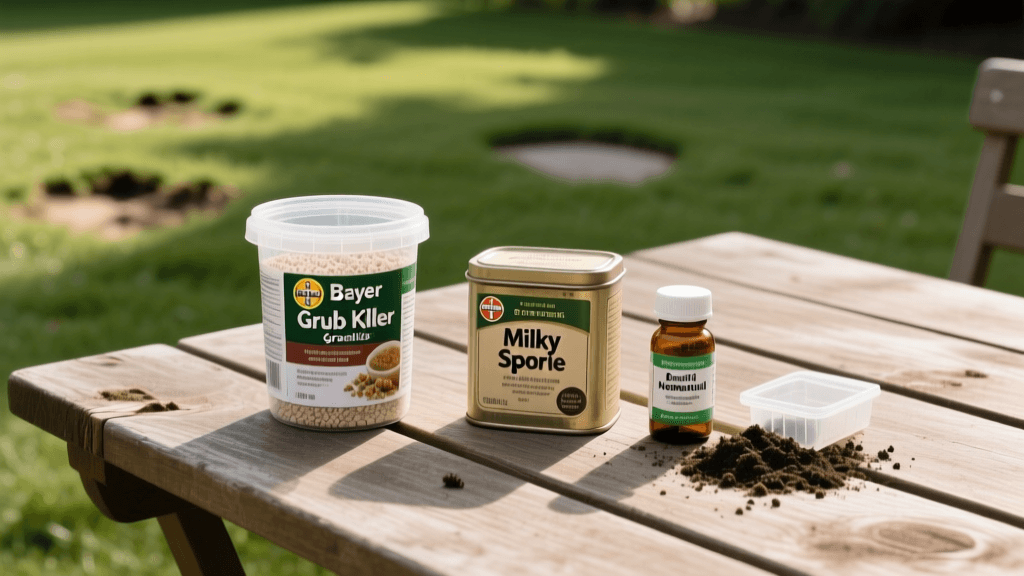
Best Grub Control Products: Chemical vs Organic Reviews
The Ultimate Guide to Lawn Grub Control Products
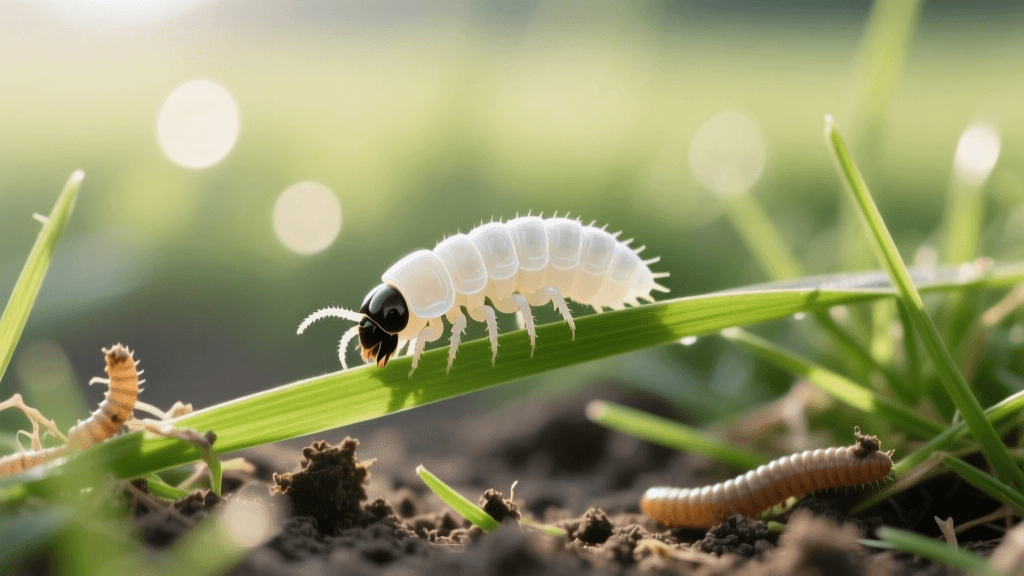
White grubs are the larval stage of various scarab beetles, including Japanese beetles, June bugs, and European chafers. Feeding just below the soil surface, these C-shaped pests sever grass roots, leading to spongy turf, brown patches, and secondary damage from foraging skunks and raccoons. When integrated pest management (IPM) thresholds are exceeded, homeowners must choose between fast-acting synthetic chemicals and long-term organic biological controls.
In this comprehensive review, we compare the top-rated chemical and organic grub control products on the market. We evaluate active ingredients, application timing, cost-effectiveness, and environmental impact to help you choose the best solution for your lawn.
How We Tested and Selected the Best Grub Killers
Our evaluation criteria focus on real-world efficacy, ease of application, and safety for non-target organisms like pollinators and earthworms. We analyzed product labels, active ingredient half-lives, and university extension field trials to determine which products truly deliver on their promises. Below are our top picks divided into synthetic chemical options and organic biological controls.
Top Chemical Grub Control Products Reviewed
1. Scotts GrubEx1 Season Long Grub Killer (Best Preventive)
Active Ingredient: Chlorantraniliprole (0.08%)
Type: Preventive
Cost: ~$4.50 per 1,000 sq. ft.
Scotts GrubEx1 is widely considered the gold standard for preventive grub control. The active ingredient, Chlorantraniliprole, is an anthranilic diamide that targets the muscle function of grubs. Because it is highly specific to certain pests, it is remarkably safe for beneficial insects, earthworms, and crucially, pollinators like bees.
- Pros: Provides up to 4 months of residual control; highly bee-friendly; single application covers the entire grub hatching season.
- Cons: Slow-acting; ineffective against large, mature grubs already causing damage in the fall.
Application Advice: Apply between early May and late July. The product requires watering in with at least 0.5 inches of water to activate the granules and move the active ingredient into the root zone where eggs will hatch.
2. BioAdvanced 24-Hour Grub Killer Plus (Best Curative)
Active Ingredient: Trichlorfon (2.5%)
Type: Curative
Cost: ~$3.80 per 1,000 sq. ft.
When you discover active grub damage in late summer or early fall, preventive products will not work. BioAdvanced 24-Hour Grub Killer Plus utilizes Trichlorfon, a fast-acting organophosphate that kills grubs on contact within 24 hours. It is the go-to rescue treatment for severe, mid-season infestations.
- Pros: Rapid knockdown; halts turf damage immediately; also kills surface-dwelling pests like armyworms and cutworms.
- Cons: Short residual life (only a few weeks); highly toxic to aquatic invertebrates; degrades quickly in high-pH soils.
Application Advice: Apply only when grubs are actively feeding near the surface (typically August to September). Water heavily immediately after application to wash the chemical off the grass blades and into the top inch of soil.
Top Organic Grub Control Products Reviewed
3. St. Gabriel Organics Milky Spore Powder (Best Long-Term Organic)
Active Ingredient: Paenibacillus popilliae (Milky Spore bacteria)
Type: Preventive / Biological Inoculant
Cost: ~$8.00 per 1,000 sq. ft. (initial application)
Milky Spore is a naturally occurring bacterium that specifically targets Japanese beetle grubs. When grubs ingest the spores, the bacteria multiply inside their gut, eventually killing the host and releasing billions of new spores back into the soil. Over 2 to 3 years, it establishes a permanent biological barrier that can protect your lawn for over a decade.
- Pros: 100% organic and safe for all pets, wildlife, and beneficials; provides 10 to 15 years of control once established; highly targeted.
- Cons: Only works on Japanese beetle grubs (not June bugs or European chafers); takes 1 to 3 years to reach peak efficacy; high upfront cost.
Application Advice: Apply using a grid pattern (1 teaspoon per 4-foot square) in late summer or early fall when grubs are feeding. Do not apply chemical grub killers simultaneously, as you need live grubs to spread the bacteria.
4. Arbico Organics Beneficial Nematodes (Best Fast-Acting Organic)
Active Ingredient: Heterorhabditis bacteriophora (Hb strain)
Type: Curative / Preventive
Cost: ~$6.50 per 1,000 sq. ft.
Beneficial nematodes are microscopic, unsegmented worms that actively hunt soil-dwelling pests. The Hb strain is particularly lethal to white grubs. They enter the grub through natural openings, release symbiotic bacteria that kill the host within 48 hours, and then reproduce inside the carcass before moving on to the next victim.
- Pros: Kills multiple grub species; fast-acting for an organic product; safe for humans, pets, and plants.
- Cons: Live organisms require careful handling; strict soil moisture requirements; sensitive to UV light and extreme heat.
Application Advice: Apply in the late afternoon or on a cloudy day to avoid UV degradation. The soil must be kept consistently moist for at least 14 days post-application to allow nematodes to swim through the soil pores and locate their hosts.
Product Comparison Chart
| Product Name | Active Ingredient | Control Type | Target Pests | Application Rate | Approx. Cost / 1k sq ft |
|---|---|---|---|---|---|
| Scotts GrubEx1 | Chlorantraniliprole | Preventive | Most white grub species | 2.87 lbs | $4.50 |
| BioAdvanced 24-Hour | Trichlorfon | Curative | Most white grub species | 2.8 lbs | $3.80 |
| Milky Spore Powder | Paenibacillus popilliae | Preventive | Japanese beetle grubs only | 1 tsp / 16 sq ft | $8.00 |
| Arbico Hb Nematodes | H. bacteriophora | Curative/Preventive | Most white grub species | 1 million / 1k sq ft | $6.50 |
Expert Insights and IPM Thresholds
Before purchasing any product, it is vital to confirm that grubs are actually the cause of your lawn damage and that the population warrants treatment. Integrated Pest Management (IPM) dictates that low grub populations are normal and can be managed by natural predators and healthy root systems.
'Treatment is generally only recommended if you find more than 5 to 10 grubs per square foot. To scout, cut three sides of a 1-foot square section of turf, peel it back, and count the grubs in the top 2 inches of soil and the root zone.'
— Cornell University College of Agriculture and Life Sciences, White Grub Management Guidelines
According to turfgrass entomologists at Michigan State University Extension, applying preventive chemicals like Chlorantraniliprole to lawns with historically low grub populations is an unnecessary expense and introduces synthetic compounds into the environment without ecological justification. Always scout your lawn in mid-to-late August by digging up a few 1-square-foot sections to assess the larval density.
Application Timing and Best Practices
The success of any grub control product hinges entirely on timing. Grubs follow a predictable life cycle: adults lay eggs in mid-summer, eggs hatch in late July to August, and young grubs feed voraciously until cold weather drives them deep into the soil for winter dormancy.
- For Preventive Chemicals: Apply between May and July. The product must be in the root zone before the eggs hatch in August.
- For Curative Chemicals: Apply in August or September when grubs are small, actively feeding near the surface, and most susceptible to contact insecticides.
- For Milky Spore: Apply in late summer when Japanese beetle grubs are actively feeding, ensuring they ingest the spores before winter.
- For Nematodes: Apply when soil temperatures are between 60°F and 85°F, typically in late August or early September.
Crucial Step: Regardless of the product chosen, irrigation is mandatory. Granular chemicals must be watered in with at least 0.5 inches of water to penetrate the thatch layer. Nematodes require continuous soil moisture to survive and hunt. If your soil is bone dry, no grub control product will be effective.
Final Verdict: Which Should You Choose?
If you have a history of severe grub damage and want a low-maintenance, environmentally responsible synthetic option, Scotts GrubEx1 is our top recommendation for preventive care. Its bee-friendly profile and long residual make it a staple in professional turf management.
If you are currently facing an active outbreak in the fall and need immediate relief, BioAdvanced 24-Hour Grub Killer Plus will halt the damage overnight. For homeowners strictly committed to organic lawn care, Arbico Organics Beneficial Nematodes offer the fastest biological knockdown, while Milky Spore is an excellent long-term investment specifically for Japanese beetle management. By matching the product to your specific pest pressure and timing, you can maintain a dense, healthy, and grub-free lawn.