Pest Control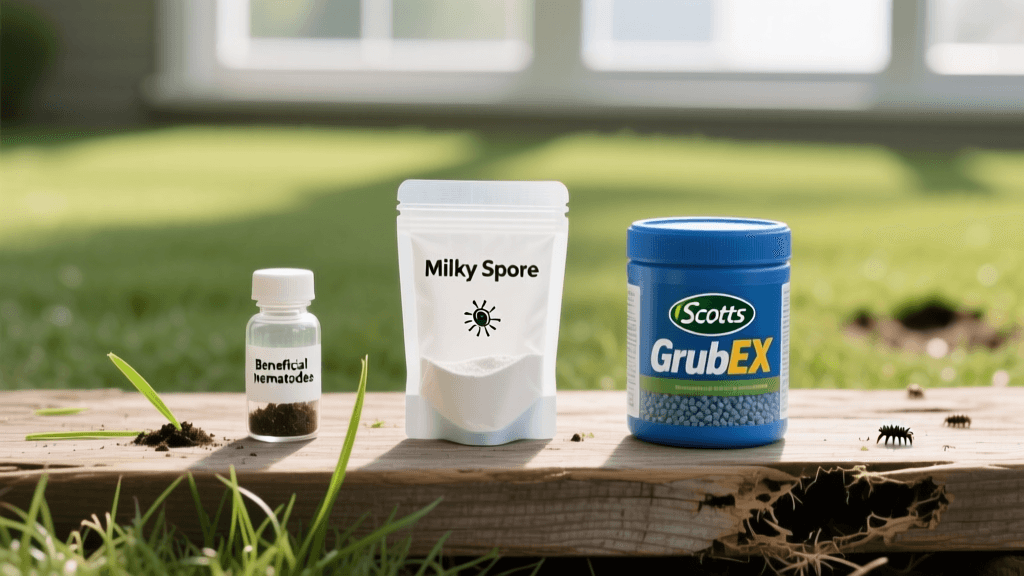
Best Grub Killers: Nematodes vs Milky Spore vs GrubEX
The Hidden Threat Beneath Your Turf
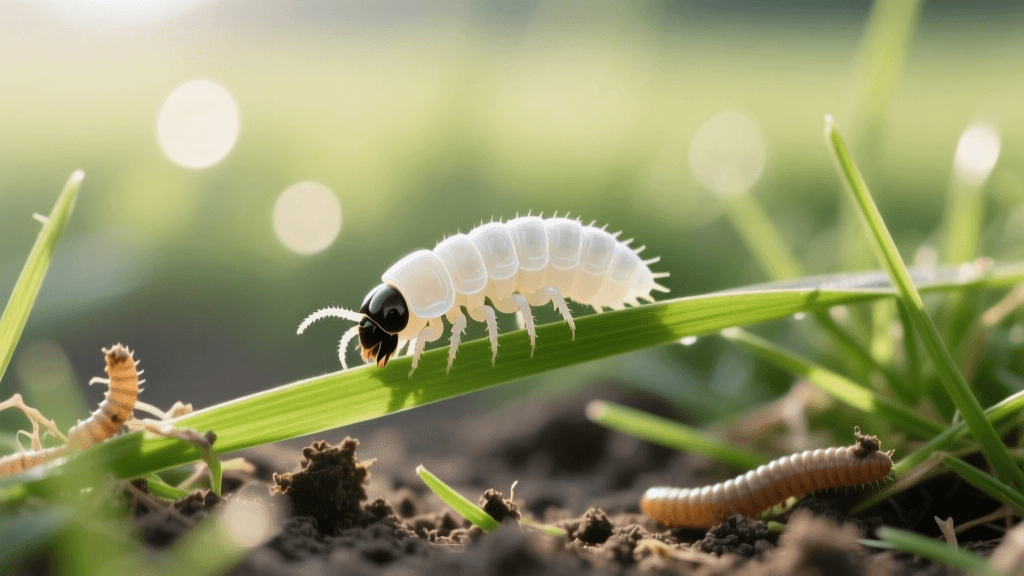
If your lawn feels spongy underfoot, rolls back like a carpet, or is suddenly attracting skunks, raccoons, and flocks of starlings, you likely have a white grub infestation. Grubs are the larval stage of scarab beetles, including the notorious Japanese beetle, June bug, and European chafer. These C-shaped, creamy-white pests feast on grassroots, severing the plant from its water and nutrient supply. Left unchecked, a severe infestation can destroy an entire lawn in a matter of weeks.
However, reaching for the harshest chemical pesticide is not always the best—or most cost-effective—solution. Modern Integrated Pest Management (IPM) emphasizes using the right tool for the job, balancing efficacy, environmental safety, and long-term soil health. In this comprehensive product review and comparison, we evaluate three of the most popular grub control solutions on the market: St. Gabriel Organics Milky Spore Powder, BioSafe Beneficial Nematodes, and Scotts GrubEX. Whether you prefer organic, biological, or traditional chemical preventatives, this guide will help you make an informed decision for your lawn care arsenal.
Integrated Pest Management: Do You Actually Need Treatment?
Before spending money on any grub control product, you must confirm that your lawn actually requires treatment. A healthy, deeply rooted lawn can tolerate a surprising number of grubs without showing visible damage. Applying pesticides or biological controls when populations are below the damage threshold is a waste of money and disrupts the local ecosystem.
How to Perform a Grub Count Test
To determine your grub population, you need to perform a simple turf peel test in late summer or early fall when grubs are young and feeding near the surface.
- Step 1: Identify areas where the grass is browning or where the soil feels spongy.
- Step 2: Using a sharp spade or a turf plugger, cut a 1-foot by 1-foot square of sod, about 2 to 3 inches deep.
- Step 3: Peel back the sod like a carpet and inspect the exposed soil and the roots of the turf. Count every C-shaped white grub you find.
- Step 4: Replace the sod, step on it firmly, and water the area immediately to prevent it from drying out.
Repeat this process in three to four different areas of your lawn to get an accurate average. According to Penn State Extension and the University of Kentucky College of Agriculture, a healthy lawn can generally tolerate up to five grubs per square foot. Treatment is only economically and ecologically justified when populations exceed eight to ten grubs per square foot.
Product Review 1: St. Gabriel Organics Milky Spore Powder
Active Ingredient: Paenibacillus popilliae (Milky Spore Disease Bacteria)
Type: Organic / Biological Long-Term Preventative
Target Pests: Japanese Beetle Grubs exclusively
Milky Spore is a naturally occurring bacterium that specifically targets Japanese beetle grubs. When a grub ingests the spores while feeding on grassroots, the bacteria multiply inside the insect's blood, eventually killing it within 7 to 21 days. As the grub decomposes, it releases billions of new spores into the soil, creating a self-sustaining cycle of pest control.
Pros and Cons
The primary advantage of St. Gabriel Organics Milky Spore Powder is its longevity. Once established in the soil, it can provide continuous grub control for 10 to 15 years without reapplication. It is also 100% safe for pets, children, earthworms, and beneficial insects. However, it has two major drawbacks. First, it only works on Japanese beetle grubs; it will not control June bugs or European chafers. Second, it is a slow-burn solution. It can take two to three years for the spores to build up to effective levels in the soil, making it useless as a curative treatment for an active, damaging outbreak.
Cost Estimate: Approximately $45.00 for a 10-ounce box, which treats 2,500 square feet. This breaks down to roughly $18.00 per 1,000 square feet. While the upfront cost is high, the multi-year lifespan makes it highly cost-effective over time.
Product Review 2: BioSafe Beneficial Nematodes (Hb)
Active Ingredient: Heterorhabditis bacteriophora (Living Microscopic Nematodes)
Type: Organic / Biological Curative and Preventative
Target Pests: Japanese beetles, June bugs, European chafers, Asiatic garden beetles, and fleas
Beneficial nematodes are microscopic, unsegmented roundworms that naturally hunt soil-dwelling pests. The Hb strain is particularly aggressive against white grubs. Once applied to the soil with water, the nematodes actively seek out grubs, entering through natural body openings. They then release a symbiotic bacteria that kills the grub within 24 to 48 hours. The nematodes reproduce inside the dead host and emerge to hunt again.
Pros and Cons
Nematodes are the ultimate organic curative treatment. They work rapidly, are completely safe for the environment, and attack a broad spectrum of soil-dwelling pests. The major challenge with nematodes is their fragility. Because they are living organisms, they must be kept refrigerated before use and applied during specific environmental conditions. The soil must remain consistently moist for at least two weeks after application to prevent the nematodes from drying out and dying. Furthermore, UV light can kill them on contact, so they must be applied in the early morning or late evening.
Cost Estimate: Approximately $35.00 for a package containing 10 million nematodes, which treats roughly 2,000 square feet. This equates to about $17.50 per 1,000 square feet. Annual reapplication is usually required.
Product Review 3: Scotts GrubEX
Active Ingredient: Chlorantraniliprole (0.08%)
Type: Chemical Preventative
Target Pests: Broad-spectrum white grubs, including Japanese beetles, June bugs, and chafers
Scotts GrubEX is a synthetic, preventative chemical control that utilizes chlorantraniliprole, an anthranilic diamide insecticide. This active ingredient works by binding to the ryanodine receptors in the insect's muscle tissue, causing paralysis and death. It is highly effective at stopping grub damage before it starts, but it must be ingested by the young grubs to work properly.
Pros and Cons
The main benefit of Scotts GrubEX is its reliability and ease of use. It provides season-long control with a single application and is widely available at any garden center. It is also highly effective against all common species of white grubs. On the downside, it is strictly a preventative. If you apply GrubEX in September to an existing grub infestation, it will not save your lawn. Additionally, while chlorantraniliprole is considered a reduced-risk pesticide by the EPA and is relatively safe for pollinators once dry, it is still a synthetic chemical that some organic gardeners prefer to avoid.
Cost Estimate: Approximately $25.00 for a 14-pound bag that covers 5,000 square feet. This makes it highly affordable at just $5.00 per 1,000 square feet.
Head-to-Head Grub Control Comparison Chart
Use the table below to quickly compare the core metrics of each product to determine which aligns best with your lawn care philosophy and budget.
| Feature | Milky Spore Powder | Beneficial Nematodes (Hb) | Scotts GrubEX |
|---|---|---|---|
| Active Ingredient | Paenibacillus popilliae | Heterorhabditis bacteriophora | Chlorantraniliprole |
| Control Type | Long-term Preventative | Curative & Preventative | Season-long Preventative |
| Speed of Control | 1 to 3 Years to establish | 2 to 4 Days | Prevents damage over 4 months |
| Target Pests | Japanese Beetle Grubs Only | Most White Grubs & Fleas | All Common White Grubs |
| Cost per 1,000 sq ft | ~$18.00 (Lasts 10+ years) | ~$17.50 (Annual application) | ~$5.00 (Annual application) |
| Pet & Child Safety | 100% Safe immediately | 100% Safe immediately | Safe after watering & drying |
| Watering Requirement | Light watering to settle dust | Heavy, consistent moisture for 14 days | 0.25 to 0.5 inches immediately |
Application Timing and Watering Protocols
The most expensive grub control product in the world will fail if applied at the wrong time of year. Grubs follow a predictable life cycle, and your application must align with their feeding habits.
When to Apply Preventatives (GrubEX and Milky Spore)
Preventative treatments must be in the soil before the eggs hatch. Adult beetles lay eggs in mid-to-late summer, which hatch into young grubs in late July and August. Therefore, Scotts GrubEX should be applied between late May and early July. This allows the chlorantraniliprole to bind to the soil organic matter and be ready when the young grubs begin feeding. Milky Spore is best applied in late summer or early fall when soil temperatures are between 60°F and 70°F and grubs are actively feeding near the surface, allowing them to ingest the initial spores.
When to Apply Curatives (Beneficial Nematodes)
If you missed the preventative window and discover an active infestation in August or September, beneficial nematodes are your best organic rescue option. Apply nematodes in late August through September when the grubs are still small (first and second instars) and highly susceptible to the nematodes' bacteria. Larger, third-instar grubs in late fall are much harder to kill biologically.
The Golden Rule: Water It In
Grubs live beneath the thatch layer and in the top two inches of soil. Surface applications are useless.
- For GrubEX: Apply 0.25 to 0.5 inches of water immediately after spreading to wash the granules off the grass blades and into the soil zone.
- For Nematodes: Water the lawn thoroughly before application to cool the soil. After applying the nematode solution, water again with about 0.25 inches of water to wash them into the thatch. You must keep the soil moist (but not waterlogged) for the next two weeks.
- For Milky Spore: A gentle watering is sufficient to wash the powder off the grass blades and settle it into the soil cracks.
Expert Insights on Grub Thresholds
Adhering to Integrated Pest Management (IPM) principles means treating only when necessary. University extensions consistently warn against calendar-based spraying, which harms beneficial soil organisms and wastes resources.
"A healthy, vigorously growing turfgrass can tolerate a surprising number of grubs. In most home lawns, treatment is not warranted unless grub densities exceed 8 to 10 grubs per square foot. Factors such as drought stress, poor soil fertility, and heavy animal predation can lower this threshold, but scouting via the turf-peel method remains the only accurate way to make a treatment decision."
— Adapted from University of Kentucky Extension Entomology Guidelines on White Grub Management
By maintaining a robust lawn through proper aeration, deep and infrequent watering, and organic fertilization, you naturally raise your lawn's tolerance threshold, reducing the need for both chemical and biological interventions.
Final Verdict: Building Your Lawn Care Arsenal
Choosing the right grub killer depends entirely on your current situation and your long-term lawn care goals.
If you are dealing with a severe, active outbreak right now and need immediate, organic relief, BioSafe Beneficial Nematodes are your best choice. They act quickly and safely to curb the damage without introducing synthetic chemicals into your yard.
If you want a low-cost, reliable, set-it-and-forget-it preventative for the upcoming season, Scotts GrubEX is the industry standard. Applied in early summer, it provides excellent peace of mind for less than five cents per square foot.
Finally, if you are battling chronic Japanese Beetle issues and want to invest in a permanent, organic solution, St. Gabriel Organics Milky Spore Powder is a phenomenal long-term investment. While it requires patience and a higher upfront cost, the decade-long protection it offers makes it a staple in sustainable, organic lawn care programs.