Pest Control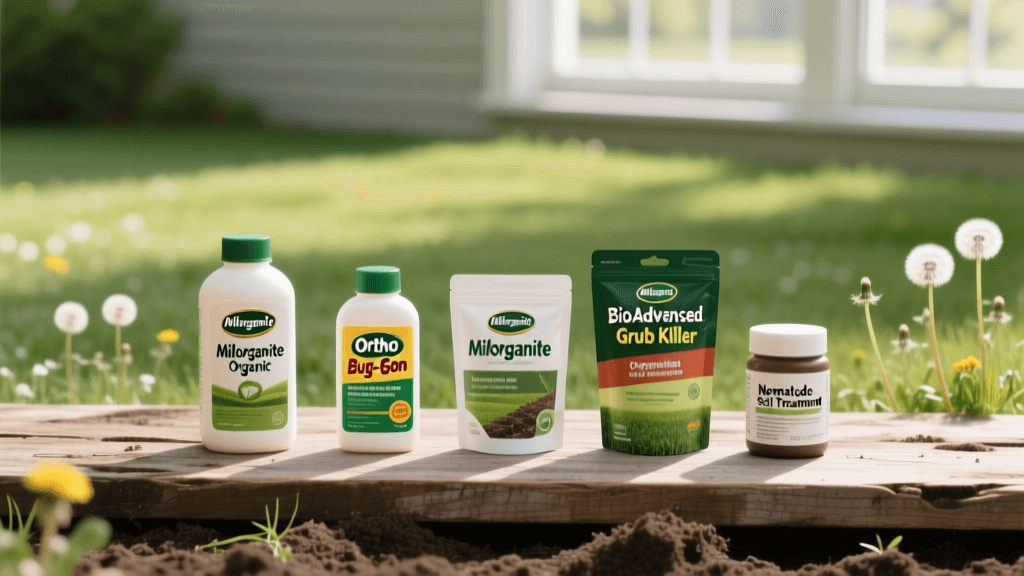
Best Grub Killers: Top Organic & Chemical Lawn Products
Understanding the White Grub Threat to Your Lawn
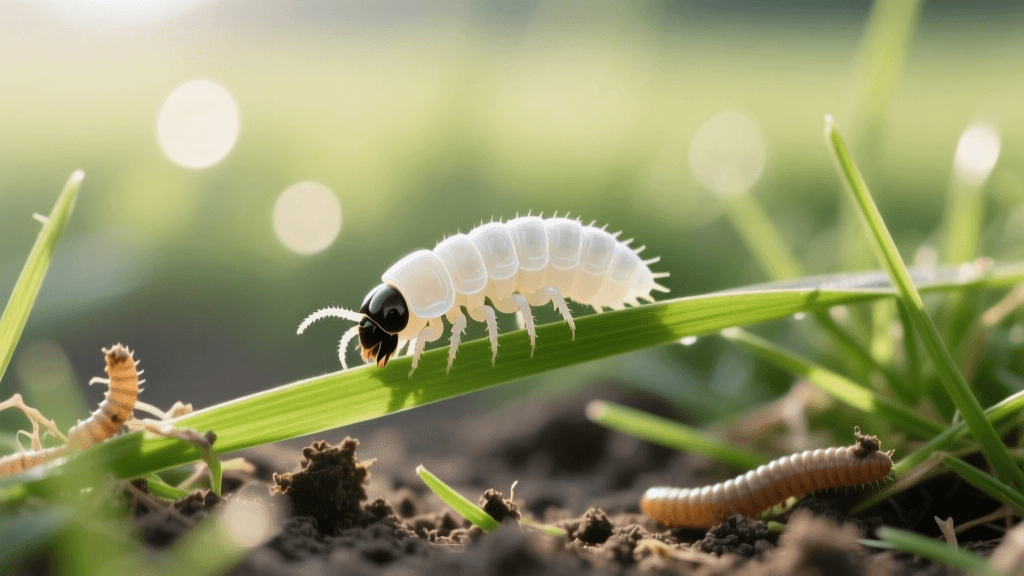
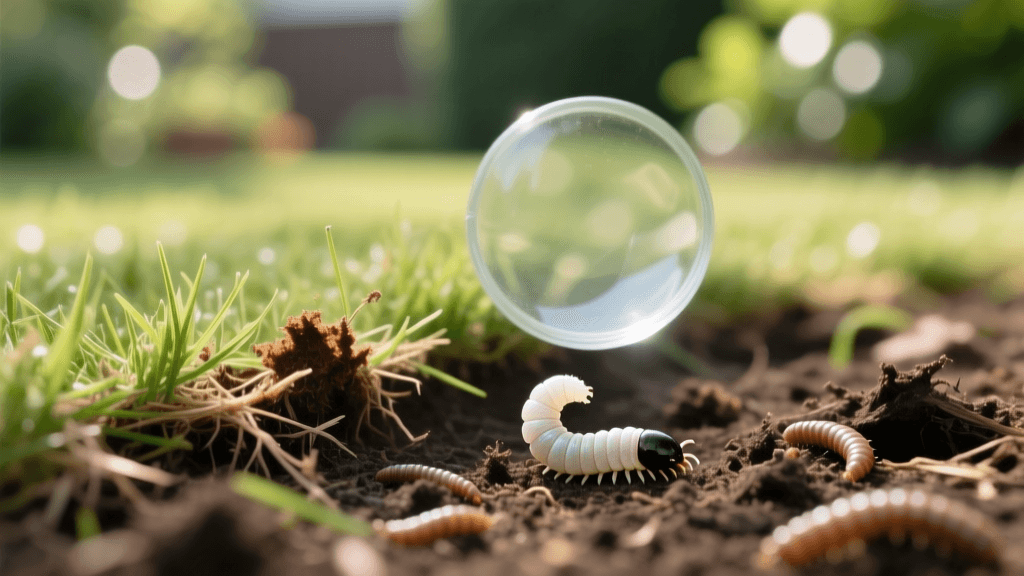
White grubs are the larval stage of various scarab beetles, including Japanese beetles, June bugs, and European chafers. These C-shaped, cream-colored pests feed aggressively on grassroots, severing the plant's ability to absorb water and nutrients. The result is spongy turf that rolls back like a carpet, accompanied by brown, dead patches and secondary damage from foraging skunks, raccoons, and birds.
Before reaching for a pesticide, Integrated Pest Management (IPM) principles dictate that you must first verify the infestation level. According to the Penn State Extension, a healthy lawn can tolerate a low population of grubs. The threshold for treatment is typically 5 to 10 grubs per square foot. To test, cut a one-foot square section of turf, peel it back, and count the grubs in the top three inches of soil. If you exceed the threshold, it is time to evaluate the best grub control products on the market.
In this comprehensive review, we compare the top chemical and organic grub killers, analyzing their active ingredients, application timing, cost-effectiveness, and environmental impact to help you make an informed decision for your lawn care regimen.
Top Chemical Grub Control Products Reviewed
Chemical treatments remain the most reliable method for rapid knockdown and long-term prevention of severe grub infestations. We have selected the two industry-standard products that represent the best in preventative and curative chemical control.
1. Best Preventative: Scotts GrubEx1 Season Long Grub Killer
Active Ingredient: Chlorantraniliprole (0.08%)
Coverage: 5,000 sq. ft. per 14 lb. bag
Estimated Cost: $24.99 ($0.005 per sq. ft.)
Scotts GrubEx1 is the gold standard for preventative grub control. Chlorantraniliprole is a highly targeted anthranilic diamide insecticide that disrupts the muscle function of early-stage grubs. Because it targets young larvae, it must be applied in late spring to early summer (May through June) before the eggs hatch in July.
- Pros: Extremely safe for pollinators and earthworms; provides up to four months of residual control; will not harm beneficial nematodes.
- Cons: Ineffective as a curative treatment against mature, late-summer grubs; requires thorough watering (0.5 inches) immediately after application to activate.
2. Best Curative: Bayer Advanced 24 Hour Grub Killer Plus
Active Ingredient: Dylox (Trichlorfon) 6.2%
Coverage: 5,000 sq. ft. per 10 lb. bag
Estimated Cost: $29.98 ($0.006 per sq. ft.)
When you discover active grub damage in late August or September, preventative measures are useless. Bayer Advanced 24 Hour Grub Killer utilizes Dylox, a fast-acting organophosphate that attacks the nervous system of mature grubs upon contact and ingestion. It is designed for rapid curative action, halting lawn damage within 24 hours.
- Pros: Rapid knockdown of large, destructive third-instar grubs; also effective against surface-feeding pests like armyworms and cutworms.
- Cons: Very short soil residual life (degrades rapidly in high pH soils); highly toxic to aquatic invertebrates and fish; requires strict adherence to safety gear during application.
Top Organic & Biological Grub Treatments Reviewed
For environmentally conscious homeowners or those maintaining organic-certified landscapes, biological controls offer a highly effective, non-toxic alternative to synthetic chemicals. These methods leverage natural pathogens and predators to manage grub populations.
3. Best Long-Term Organic: Milky Spore Disease
Active Ingredient: Paenibacillus popilliae (Milky Spore bacteria)
Coverage: 10,000 sq. ft. per 40 oz. dispenser
Estimated Cost: $39.99 ($0.004 per sq. ft.)
Milky Spore is a naturally occurring bacterium that specifically targets and kills Japanese beetle grubs. When grubs ingest the spores while feeding on roots, the bacteria multiply inside their hemolymph (blood), turning it milky and eventually killing the host. The decaying grub releases billions of new spores into the soil, creating a self-sustaining defense network.
- Pros: Once established, a single application can protect a lawn for 10 to 15 years; completely safe for humans, pets, and all non-target organisms.
- Cons: Only effective against Japanese beetle larvae (will not kill June bug or chafer grubs); takes 2 to 3 years of natural grub cycles to build up sufficient spore density in the soil.
4. Best Fast-Acting Organic: Beneficial Nematodes (Hb Strain)
Active Ingredient: Heterorhabditis bacteriophora (Live microscopic worms)
Coverage: 10,000 sq. ft. per million nematodes
Estimated Cost: $34.99 ($0.0035 per sq. ft.)
Beneficial nematodes are microscopic, unsegmented worms that actively hunt soil-dwelling pests. The Hb strain is specifically recommended for grubs. They enter the grub through natural openings and release a symbiotic bacteria that kills the host within 48 hours. The nematodes then reproduce inside the carcass and emerge to hunt the next victim.
- Pros: Broad-spectrum control (kills Japanese beetles, chafers, and June bugs); acts as both a preventative and curative treatment; safe for all mammals and pollinators.
- Cons: Highly sensitive to UV light and desiccation; must be applied in the evening or on cloudy days; requires consistent soil moisture; must be stored in a refrigerator prior to use.
Product Comparison Chart
| Product Name | Type | Active Agent | Best Application Timing | Speed of Control | Cost per 5k Sq Ft |
|---|---|---|---|---|---|
| Scotts GrubEx1 | Chemical Preventative | Chlorantraniliprole | May - June | Slow (Weeks) | $12.50 |
| Bayer 24-Hour Grub Killer | Chemical Curative | Dylox (Trichlorfon) | August - September | Fast (24 Hours) | $15.00 |
| Milky Spore Powder | Organic Long-Term | Paenibacillus popilliae | Spring or Fall | Very Slow (Years) | $20.00 |
| Beneficial Nematodes (Hb) | Organic Curative | Heterorhabditis bacteriophora | August - September | Fast (48 Hours) | $17.50 |
Expert Insights and IPM Strategies
When deciding between these products, it is crucial to align your treatment with the life cycle of the grub and the principles of Integrated Pest Management. The Cornell University College of Agriculture and Life Sciences emphasizes that biological controls like nematodes are most effective when applied curatively in late summer, coinciding with the vulnerable early-instar grub stage.
“Biological insecticides such as beneficial nematodes and milky spore offer viable alternatives to synthetic chemicals. However, their success relies heavily on proper soil moisture, temperature, and precise application timing. Nematodes must be irrigated into the soil immediately to prevent UV degradation.” - Cornell University IPM Guidelines for Turfgrass
Soil chemistry also plays a pivotal role in the efficacy of certain chemical treatments. Trichlorfon (Dylox) degrades rapidly in alkaline soils with a pH above 7.5. If your soil test reveals a high pH, the half-life of this curative chemical can drop from several days to just a few hours, rendering it largely ineffective. In such cases, biological controls like nematodes or a switch to a different chemical class becomes necessary.
Post-application irrigation is another critical factor that separates successful treatments from failed ones. Both chemical granules and biological organisms must be washed off the grass blades and into the soil profile where the grubs reside. For chemical granules, apply 0.5 inches of water immediately after spreading. For live nematodes, pre-irrigate the lawn to moisten the soil, apply the nematode solution, and then irrigate again with at least 0.25 inches of water to wash them deep into the root zone. Failure to water in these products will result in UV degradation of the active agents and a total waste of your investment.
Final Verdict: Which Grub Killer Should You Buy?
The best product depends entirely on the current state of your lawn and the time of year:
- For Spring Prevention: Choose Scotts GrubEx1. It is the safest, most reliable way to stop the next generation of grubs before they cause damage, without harming the local ecosystem.
- For Late-Summer Emergencies: If your lawn is currently being destroyed and animals are digging up your turf, use Bayer Advanced 24 Hour Grub Killer for immediate chemical rescue, or Beneficial Nematodes (Hb) if you prefer a fast-acting organic approach.
- For a Permanent Organic Solution: If you are specifically battling Japanese beetles and want a long-term organic strategy, invest in Milky Spore. Pair it with nematodes for the first two years to manage the population while the spores establish in the soil.
By accurately identifying your grub species, testing your soil thresholds, and selecting the appropriate product from this review, you can restore your lawn to a lush, green, and pest-free state.