
Landscaping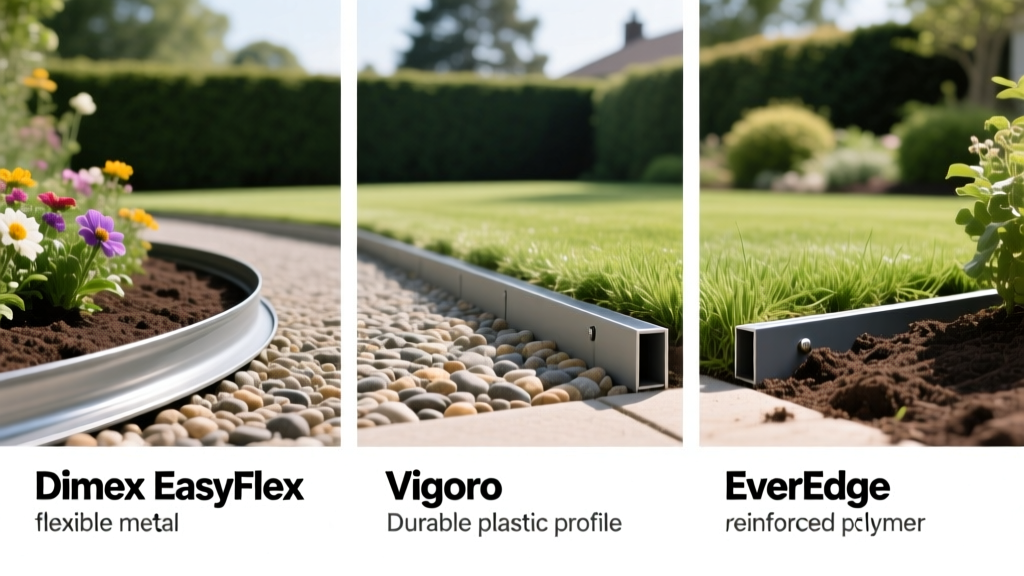
Best Landscape Edging Kits: Dimex vs. Vigoro vs. EverEdge
Sarah ChenPublished
The Ultimate Landscape Edging Showdown: Defining Your Garden Beds
When it comes to elevating your curb appeal and maintaining a pristine yard, the transition between your lush turfgrass and your meticulously mulched garden beds is everything. Without a proper physical barrier, mulch spills onto the lawn, creeping grasses invade your flower beds, and string trimmers wreak havoc on the bark of your prized shrubs. Landscape edging is the unsung hero of hardscaping and garden bed planning, providing a crisp, clean line that defines your outdoor living spaces while solving practical drainage and maintenance issues.
However, not all edging materials are created equal. Walk down the garden center aisle, and you will find a dizzying array of plastic rolls, steel strips, and stone barriers. To help you make an informed investment for your landscaping project, we have tested and compared three of the most popular landscape edging kits on the market: the Dimex EasyFlex Plastic Edging, the Vigoro No-Dig Steel Edging, and the premium EverEdge Flexible Steel Edging. Whether you are outlining a winding pathway or establishing a durable border for a vegetable garden, this comprehensive product review will guide you to the perfect choice.
Quick Comparison Chart: Top Edging Kits
| Product | Material | Avg. Cost/Ft | Durability | Best For |
|---|---|---|---|---|
| Dimex EasyFlex | Recycled Plastic | $1.50 | Medium | Tight curves, budget projects |
| Vigoro No-Dig | Powder-Coated Steel | $3.00 | High | Straight lines, gentle curves |
| EverEdge | Galvanized Steel | $6.50 | Very High | Premium lawns, frost-heavy zones |
1. Dimex EasyFlex Plastic Edging Kit
Overview and Specifications
The Dimex EasyFlex kit is a staple in the landscaping industry, primarily favored by DIYers and budget-conscious homeowners. Manufactured from recycled high-density polyethylene (HDPE) plastic, this edging typically comes in 20-foot or 40-foot rolls with a standard 4-inch drop height. The kit includes heavy-duty plastic spikes designed to anchor the wavy base of the edging into the soil. Its primary selling point is extreme flexibility; it can easily bend to accommodate tight, serpentine curves around trees and circular garden beds without kinking or requiring specialized cutting tools.
Pros and Cons
- Pros: Highly affordable (averaging $1.50 per linear foot); exceptional flexibility for tight radii; lightweight and easy to transport; utilizes recycled materials, appealing to sustainable landscaping practices.
- Pros: The wavy bottom design provides decent initial grip in loose topsoil.
- Cons: Susceptible to UV degradation over time, leading to fading and brittleness; prone to 'frost heave' in colder climates, where freeze-thaw cycles push the plastic out of the ground; requires extensive trenching compared to no-dig alternatives.
2. Vigoro No-Dig Steel Edging
Overview and Specifications
For homeowners who want the sleek, modern look of metal without the backbreaking labor of digging a continuous trench, the Vigoro No-Dig Steel Edging is a top contender. This product features 4-inch tall panels made from powder-coated steel. The 'no-dig' moniker comes from its installation method: overlapping panels are placed directly on the soil surface, and long, angled steel spikes are driven through integrated loops, securing the edging deep into the earth. This creates a formidable barrier against aggressive rhizomes from turfgrass like Bermuda or Zoysia.
Pros and Cons
- Pros: Saves hours of manual labor by eliminating the need for trenching; the powder-coated finish provides a clean, dark green or black aesthetic that blends seamlessly into mulch; excellent rigidity for long, straight lines and sweeping, gentle curves.
- Pros: Mid-range pricing (around $3.00 per linear foot) offers a great balance of cost and longevity.
- Cons: Not suitable for tight, circular beds; if the powder coating is scratched during installation with a steel mallet, the underlying metal can eventually rust; the overlapping joints can occasionally catch and tear landscape fabric if not installed carefully.
3. EverEdge Flexible Steel Edging
Overview and Specifications
EverEdge represents the premium tier of landscape edging. Originating in New Zealand and now a global favorite among professional landscape architects, this product is made from 16-gauge galvanized steel. It is available in various heights, with the 5-inch option being the most popular for deep mulch beds. EverEdge features a unique interlocking system that allows the steel to flex and bend to almost any shape while maintaining the structural integrity of metal. It is designed to be virtually invisible once installed, allowing the plants and hardscaping materials to take center stage.
Pros and Cons
- Pros: Unmatched durability and lifespan (often lasting 20+ years); the galvanization process prevents rust entirely, even if scratched; handles extreme frost heave better than rigid steel or plastic; creates flawlessly smooth curves and razor-sharp straight lines.
- Pros: The interlocking teeth ensure panels never separate under soil pressure.
- Cons: Premium price tag (averaging $6.50+ per linear foot); requires a rubber mallet and specific bending techniques to achieve perfect curves without kinking the metal; heavier and more difficult to cut to size (requires an angle grinder or hacksaw).
Expert Insights: Why Edging Matters for Plant Health
Beyond mere aesthetics, proper landscape edging plays a vital role in the horticultural health of your yard. It dictates water flow, prevents soil erosion, and protects vulnerable plant tissues from mechanical damage. When turfgrass is allowed to creep into garden beds, it competes with ornamental plants for water and nutrients. Conversely, when mulch spills onto the lawn, it creates an uneven surface that can scalp the turf during mowing.
According to the University of Minnesota Extension, establishing a physical barrier between turf and landscape beds is critical. Not only does it retain mulch, but it prevents string-trimmer damage to the base of trees and shrubs, a common issue that leads to vascular girdling and plant decline. A defined edge allows for proper mulching depths without smothering root flares.
By investing in a high-quality steel edging like EverEdge or Vigoro, you effectively eliminate the need to use a string trimmer near the base of your delicate ornamentals, thereby safeguarding the vascular systems of your most expensive landscape investments.
Essential Tools for Edging Installation
Regardless of which product you choose, having the right tools on hand will cut your installation time in half and ensure a professional finish. Before beginning your hardscaping project, gather the following:
- Flat-Edged Trenching Spade: Essential for cutting through sod and soil when installing Dimex plastic edging.
- Rubber Mallet or Dead-Blow Hammer: Crucial for driving steel spikes and tapping metal edging into the ground without damaging the powder-coating or galvanized finish.
- Heavy-Duty Work Gloves: Metal edging can have sharp burrs from the manufacturing process; always protect your hands.
- String Line and Stakes: Necessary for ensuring long, perfectly straight runs and consistent depth across your garden beds.
- Hacksaw or Angle Grinder: Required for trimming steel edging panels to fit the exact measurements of your landscape design.
Step-by-Step Installation Best Practices
To maximize the lifespan and effectiveness of your chosen edging, follow these professional installation guidelines:
- Step 1: Mark the Boundary. Use a garden hose to lay out curves, or a string line for straight edges. Spray paint the line to ensure you do not lose your guide.
- Step 2: Prepare the Soil. For plastic edging, dig a trench slightly wider than the edging base and exactly as deep as the drop height. For no-dig steel, simply clear the grass away from the painted line to expose bare dirt where the spikes will penetrate.
- Step 3: Set the Height. The golden rule of landscape edging is that the top of the barrier should sit roughly 0.5 inches below the top of your turfgrass. This allows your lawnmower wheels to roll over the edging without the blade striking it, while still keeping the mulch contained.
- Step 4: Backfill and Compact. Once the edging is secured with spikes, backfill the soil on the lawn side and tamp it down firmly. On the bed side, lay your permeable landscape fabric and add your chosen mulch or gravel up to the top of the edging lip.
Final Verdict: Which Edging Should You Choose?
The ideal landscape edging kit depends entirely on your budget, your soil type, and the specific geometry of your garden beds. If you are working on a budget-friendly project with tight, winding circles around mature trees, the Dimex EasyFlex Plastic remains a capable, albeit temporary, solution. However, for most modern landscaping projects that demand a balance of affordability, ease of installation, and structural integrity, the Vigoro No-Dig Steel is our top recommendation for the average DIY homeowner. It saves hours of trenching and provides a robust barrier against aggressive grasses.
Finally, if you are designing a forever-home landscape, live in a region with severe winter freeze-thaw cycles, or simply demand the absolute best materials available, the EverEdge Flexible Steel is an unparalleled investment. Its ability to remain invisible, rust-proof, and perfectly contoured for decades makes it the ultimate choice for high-end curb appeal and sustainable landscape design.

