
Landscaping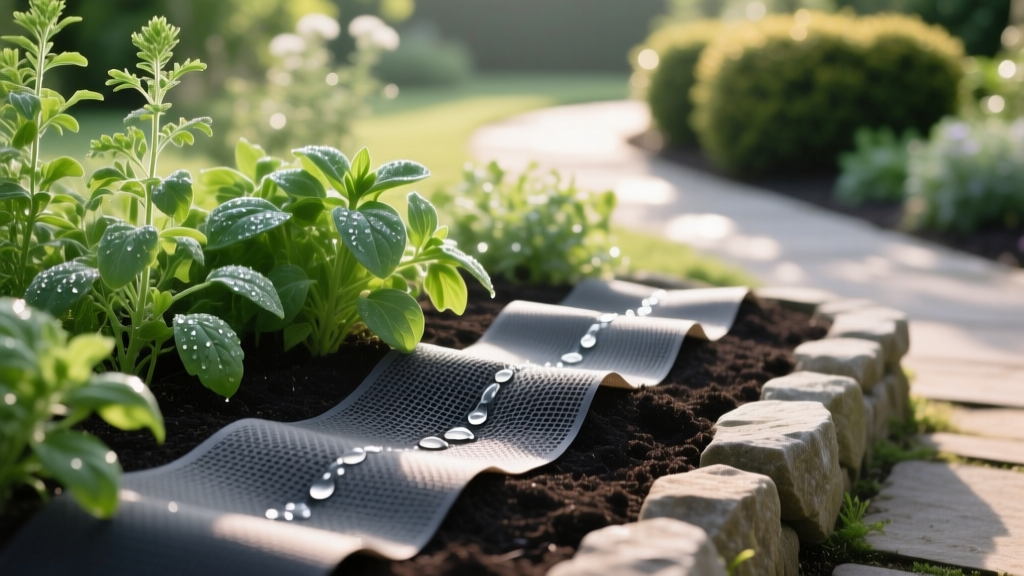
Best Landscape Fabric for Garden Beds: Top Picks Reviewed
Robert HayesPublished
The Science of Weed Control: Do You Really Need Landscape Fabric?
When planning garden beds, hardscaping projects, or sustainable landscaping designs, weed control is often the most labor-intensive challenge. Landscape fabric, also known as weed barrier or geotextile, is a staple in modern landscape design for suppressing unwanted vegetation while allowing water and air to reach the soil. However, not all fabrics are created equal. Choosing the wrong material can lead to water pooling, soil compaction, and a nightmare of tangled roots.
According to research published by the Washington State University Extension, while geotextile landscape fabrics provide excellent initial weed suppression, they must be used correctly to avoid long-term soil degradation. Dr. Linda Chalker-Scott, an urban horticulturist at WSU, notes that weed barriers can restrict soil gas exchange and water infiltration over time if left exposed or covered with inorganic mulch. The key to sustainable landscaping is selecting a highly permeable fabric and covering it with organic mulch to maintain soil biology and structure.
In this comprehensive review, we compare the top commercial-grade and residential landscape fabrics on the market, evaluating their permeability, durability, cost, and best use cases for your outdoor living spaces.
Top 3 Landscape Fabrics Reviewed for Landscaping Projects
1. DeWitt Sunbelt Weed Barrier (Best for Hardscaping and Pathways)
The DeWitt Sunbelt is a woven polypropylene fabric that has been a gold standard in the landscaping industry for decades. Weighing in at 3.2 ounces per square yard, it is incredibly tear-resistant and designed to withstand the heavy foot traffic and weight associated with hardscaping projects like gravel pathways, patios, and retaining wall bases.
- Material: Woven polypropylene with UV stabilization.
- Water Permeability: Moderate. It allows water to pass through, but heavy downpours may experience temporary pooling if the subgrade is not properly graded.
- Best Use Case: Under gravel walkways, beneath paver bases, and in high-traffic curb appeal improvement zones.
- Cost: Approximately $0.45 per square foot.
Pros: Exceptional tensile strength; resists punctures from sharp gravel; 15-year manufacturer warranty against UV degradation. Cons: Less breathable than non-woven options; not ideal for dense, nutrient-hungry ornamental garden beds where rapid water infiltration is required.
2. Flarmor Premium Weed Barrier (Best for Plant Health and Garden Beds)
For garden bed planning where soil health is paramount, the Flarmor Premium Weed Barrier is our top recommendation. Unlike woven plastics, Flarmor utilizes a needle-punched, non-woven polyester design. This creates a felt-like texture that mimics natural soil horizons, allowing superior water flow and air exchange while still blocking sunlight from reaching weed seeds.
- Material: Non-woven, needle-punched polyester.
- Water Permeability: Excellent. High flow rate prevents water runoff and topsoil erosion.
- Best Use Case: Perennial flower beds, vegetable garden perimeters, and slopes prone to drainage issues.
- Cost: Approximately $0.38 per square foot.
Pros: Outstanding drainage capabilities; promotes healthy soil microbiome; conforms easily to curved garden bed edges. Cons: More susceptible to tearing when dragged across sharp rocks; requires a thick layer of mulch to protect the fibers from UV breakdown if exposed.
3. HOOPLE Pro Garden Weed Barrier (Best Budget Option for Large Areas)
If you are tackling a massive curb appeal overhaul or installing a large-scale sustainable landscaping project on a budget, the HOOPLE Pro barrier offers an impressive balance of cost and performance. It is a thick, woven fabric that provides robust weed suppression for large, open areas where absolute precision in water flow is slightly less critical than sheer coverage.
- Material: Heavy-duty woven polyethylene.
- Water Permeability: Good. Features micro-pores that facilitate adequate drainage.
- Best Use Case: Large shrub borders, foundational plantings, and budget-friendly hardscaping underlayments.
- Cost: Approximately $0.22 per square foot.
Pros: Highly affordable for bulk purchases; easy to cut with standard utility shears; effectively blocks aggressive weeds like Bermuda grass. Cons: Stiffer than non-woven fabrics, making it harder to mold around tight corners or complex landscape designs; edges can fray if not sealed or buried.
Landscape Fabric Comparison Chart
| Product | Material Type | Weight (oz/sq yd) | Water Permeability | Best Application | Avg. Cost (per sq ft) |
|---|---|---|---|---|---|
| DeWitt Sunbelt | Woven Polypropylene | 3.2 oz | Moderate | Hardscaping & Pathways | $0.45 |
| Flarmor Premium | Non-Woven Polyester | 2.8 oz | High | Ornamental Garden Beds | $0.38 |
| HOOPLE Pro | Woven Polyethylene | 3.2 oz | Good | Large Shrub Borders | $0.22 |
How to Choose the Right Fabric for Your Landscape Design
Selecting the correct weed barrier depends heavily on your specific landscaping goals. If your primary focus is drainage solutions and preventing soil erosion on a slope, a non-woven fabric like Flarmor is essential. Its needle-punched structure acts as a filtration layer, allowing water to pass through while holding the soil matrix in place.
Conversely, if you are building a hardscaping project such as a decomposed granite patio or a French drain system, a woven fabric like DeWitt Sunbelt is superior. Woven fabrics prevent the aggregate base from migrating into the native soil below, which is a common cause of patio settling and drainage failure.
Pro Landscaper Tip: Never use solid black plastic sheeting as a substitute for landscape fabric. Plastic creates an impermeable barrier that destroys soil biology, causes severe water runoff, and ultimately creates a moldy, anaerobic environment beneath your mulch.
Step-by-Step Installation Guide for Maximum Curb Appeal
Proper installation is just as important as the product you choose. Follow these actionable steps to ensure your landscape fabric performs optimally for years to come.
1. Timing and Preparation
The best time to install landscape fabric is in early spring when soil temperatures reach approximately 50°F, right before the primary germination window for crabgrass and broadleaf weeds. Begin by clearing the area of all existing vegetation. Use a sod cutter or a sharp spade to remove grass and deep-rooted perennial weeds. Grade the soil to ensure proper slope away from your home's foundation to aid in drainage solutions.
2. Measuring and Cutting
Measure your garden bed and add 12 inches to all sides to allow for overlap and securing at the edges. Cut the fabric using heavy-duty landscaping shears. When cutting holes for existing shrubs or trees, use a utility knife to cut an 'X' shape rather than a circle. This allows you to fold the flaps under the plant and minimize the gap where weeds can penetrate.
3. Securing the Fabric
Always overlap adjacent seams by at least 6 inches. Secure the fabric using 6-inch galvanized steel landscape staples (U-pins). Place a staple every 3 feet along the seams and every 5 feet in the center of the fabric. On slopes, increase the staple density to prevent the fabric from shifting during heavy rains.
4. Applying the Correct Mulch
To protect the fabric from UV degradation and maintain soil health, cover it immediately with 2 to 3 inches of organic mulch, such as shredded hardwood bark or pine straw. Avoid using dyed mulches or rubber mulch over fabric, as they do not decompose to feed the soil microbiome. The organic mulch will slowly break down, improving the soil structure beneath the permeable fabric.
Sustainable Landscaping Practices: When to Avoid Fabric
While landscape fabric is a powerful tool, sustainable landscaping practices dictate that it is not always the right choice. In naturalized woodland gardens or areas where you want plants to self-seed and spread naturally, weed barriers will inhibit ecological succession. Furthermore, in heavily shaded, damp environments, organic matter that accumulates on top of the fabric can create a shallow rooting zone for weeds, making them difficult to pull without tearing the fabric.
For these sensitive areas, consider alternative weed suppression methods such as the 'lasagna gardening' technique, which involves layering wet cardboard and thick compost. This biodegradable approach smothers weeds initially and eventually breaks down into rich humus, perfectly aligning with regenerative landscaping principles.
Final Verdict
Investing in high-quality landscape fabric is a strategic move for any homeowner looking to reduce weekend maintenance and improve their property's curb appeal. For hardscaping and pathways, the DeWitt Sunbelt remains unbeatable for its structural integrity. For delicate ornamental beds where soil aeration and drainage are paramount, the Flarmor Premium non-woven fabric is the clear winner. By pairing the right geotextile with proper installation techniques and organic mulch, you can achieve a pristine, low-maintenance landscape that thrives season after season.

