
Landscaping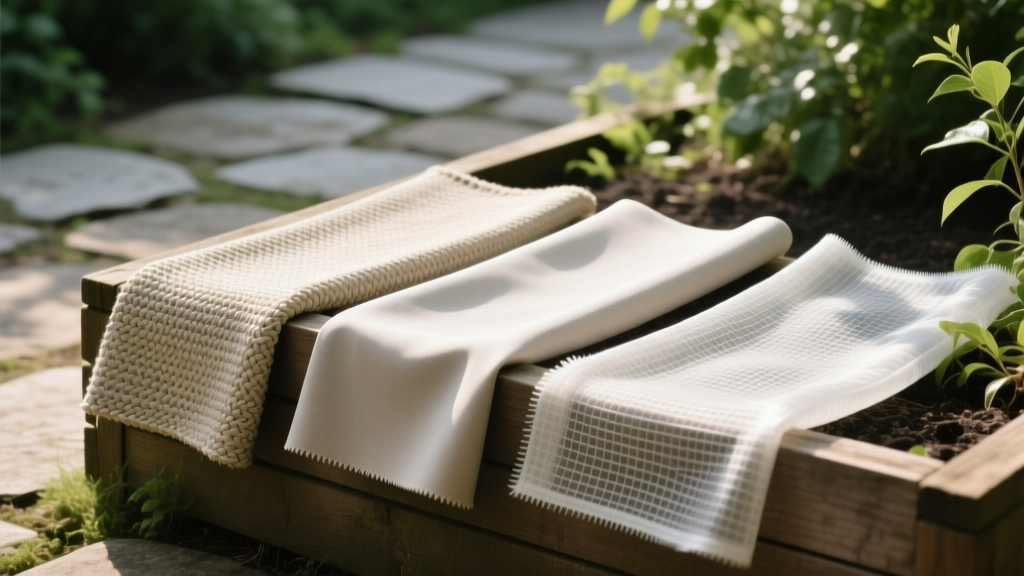
Best Landscape Fabric Reviewed: Woven vs Non-Woven (2026)
Landscape fabric types are primarily categorized into four distinct materials: woven, non-woven, spunbond, and perforated. Woven polypropylene is best for high-traffic paths and rock gardens due to its high tensile strength. Non-woven polyester excels under pavers and retaining walls for superior drainage. Spunbond fabric offers a balance of permeability and weed suppression for flower beds. Perforated fabrics feature pre-cut holes for quick row-crop or vegetable garden installation. This guide is designed for homeowners, DIY landscapers, and professional groundskeepers seeking to match the correct fabric to their specific terrain, soil type, and planting needs.
Key Takeaways: Landscape Fabric Types
- Woven Polypropylene: Best for rock gardens, gravel paths, and high-traffic areas (3.0 oz/sq yd weight).
- Non-Woven Polyester: Ideal for drainage, French drains, and retaining walls (85% permeability).
- Spunbond: Best compromise for temporary flower beds and shrub borders.
- Perforated: Designed specifically for row crops and vegetable gardens.
The Four Primary Landscape Fabric Types
Selecting the correct material requires understanding the manufacturing process and how it interacts with soil ecology and water flow.
Woven Landscape Fabric
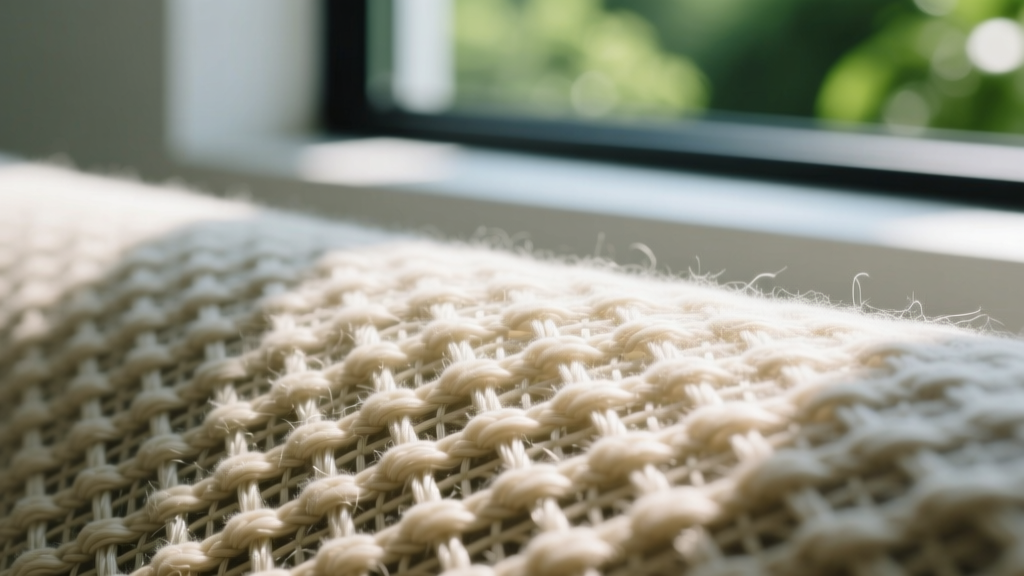
Woven landscape fabric is manufactured by interlacing polypropylene or linen fibers in a tight, grid-like pattern. This process creates a highly durable, tear-resistant material with small gaps that allow water penetration while blocking sunlight, making it the industry standard for heavy-duty rock and gravel pathways. Professional contractors typically use heavy-duty woven fabrics weighing 3.0 ounces per square yard for commercial projects. These fabrics often feature UV stabilization that provides a 5 to 10-year lifespan when exposed to direct sunlight before degrading.
Non-Woven Landscape Fabric
Non-woven landscape fabric consists of synthetic polyester or polypropylene fibers bonded together through heat, chemical, or mechanical processes rather than weaving. It resembles felt, providing superior drainage and filtration capabilities, which makes it the optimal choice for French drains, retaining walls, and paver base stabilization. Because the fibers are randomly oriented, non-woven fabrics boast an 85% water permeability rate, preventing hydrostatic pressure buildup behind retaining structures.
Spunbond and Perforated Fabrics
Spunbond fabric is a specific subtype of non-woven material where continuous filaments are spun and bonded simultaneously, offering a lighter weight alternative for seasonal flower beds. Perforated landscape fabric, conversely, is usually a woven or spun material featuring pre-cut, evenly spaced slits. These slits allow you to plant row crops or vegetables without cutting custom holes, reducing installation time by up to 40% on large agricultural or market garden plots.
Woven vs. Non-Woven: Comparison Matrix
Use this decision framework to select the right material based on your specific project parameters.
| Feature | Woven Polypropylene | Non-Woven Polyester |
|---|---|---|
| Primary Use | Gravel paths, rock gardens, driveways | French drains, retaining walls, pavers |
| Water Permeability | Moderate (slows water flow) | High (excellent drainage) |
| Weed Suppression | Excellent (tight weave blocks light) | Moderate (thicker weeds can penetrate) |
| Average Cost | $0.45 to $0.85 per square foot | $0.60 to $1.20 per square foot |
| Durability | High (resists tearing under rocks) | Medium (can tear under sharp gravel) |
Best Fabric for Vegetable Gardens and Flower Beds
When evaluating the best landscape fabric for vegetable gardens, permeability and soil ecology must take priority over aggressive weed suppression. According to the University of California Agriculture and Natural Resources, impermeable barriers restrict gas exchange and disrupt the soil microbiome, which is critical for crop yields. For edible gardens, biodegradable woven jute or lightweight spunbond fabrics are recommended. These materials suppress early-season weeds but break down within 12 to 18 months, allowing you to till organic matter into the soil the following season without removing synthetic plastics.
Does Landscape Fabric Stop Weeds Permanently?
No landscape fabric stops weeds permanently. Over time, wind-blown soil, decomposing mulch, and organic debris accumulate on top of the fabric, creating a seedbed for new weeds. Furthermore, aggressive perennial weeds like bindweed or bermudagrass can eventually penetrate the weave. Research from Oregon State University Extension demonstrates that landscape fabric degrades under UV exposure and loses its structural integrity after 5 to 7 years if left uncovered. To maximize longevity, always cover the fabric with a minimum 3-inch layer of organic mulch or 2-inch layer of inorganic gravel.
Installation and Maintenance Checklist
Proper installation prevents edge-lifting and ensures optimal water infiltration. Follow this framework before laying your material:
- Site Preparation: Remove all existing vegetation, rocks, and roots. Grade the soil to ensure a 2% slope away from foundations.
- Soil Amendment: Apply compost and fertilizers before laying the fabric, as top-dressing will not reach the root zone afterward.
- Overlap Seams: Maintain a strict 6-inch overlap at all seams to prevent weeds from emerging through gaps.
- Secure Edges: Anchor the perimeter every 3 feet using 6-inch galvanized landscape pins.
- Cutting Technique: Use a soldering iron or hot knife to cut planting holes. This melts the synthetic edges and prevents fraying over time.
Frequently Asked Questions
Can you put topsoil over landscape fabric?
Placing topsoil over landscape fabric is not recommended. Soil on top of the fabric creates a shallow planting zone that dries out rapidly and encourages weed seeds to root directly into the fabric's weave, making future removal difficult. The fabric should always sit directly on the subgrade, with decorative mulch or gravel placed on top.
What is the thickest landscape fabric available?
The thickest commercial-grade landscape fabrics are heavy-duty non-woven geotextiles, typically measured in ounces per square yard. The heaviest standard options reach 8.0 to 10.0 ounces per square yard, providing extreme puncture resistance for civil engineering projects, steep slope stabilization, and heavy vehicular driveway bases.
Should I use plastic sheeting instead of landscape fabric?
Polyethylene plastic sheeting should never replace landscape fabric in planted areas. Plastic is entirely impermeable, blocking water and oxygen from reaching the soil. This causes water pooling, root rot, and the death of beneficial soil organisms. Plastic is only appropriate for temporary soil solarization or under completely enclosed, non-planted structures.
Final Recommendations
Choosing the correct landscape fabric type dictates the long-term health of your soil and the maintenance requirements of your hardscaping. Woven polypropylene remains the definitive choice for durable rock and gravel installations, while non-woven geotextiles are mandatory for drainage and structural support. Your next step is to calculate the total square footage of your project area, add 10% for overlap waste, and order a sample roll of woven polypropylene to test its permeability and tear strength on your specific site before committing to a bulk purchase.

