
Landscaping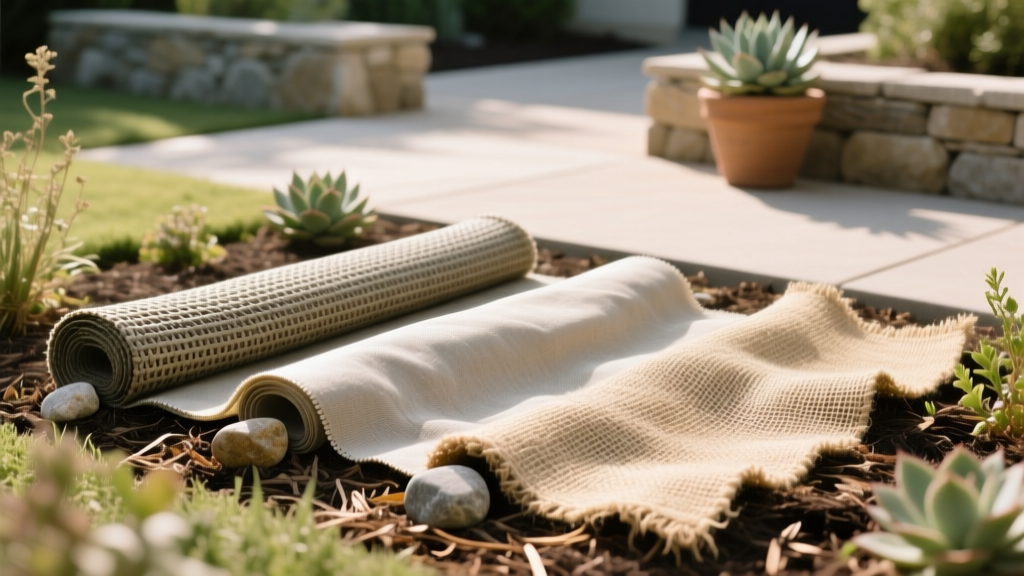
Best Landscape Fabric Reviewed: Top Weed Barriers Compared
James MillerPublished
The Role of Landscape Fabric in Modern Landscaping
When planning a new garden bed, installing a patio, or designing a sustainable landscape, weed management is often the biggest hurdle to long-term success. Landscape fabric, commonly known as weed barrier, is a staple in hardscaping and garden bed planning. It is designed to suppress weed growth while allowing water and nutrients to penetrate the soil. However, not all weed barriers are created equal. Choosing the wrong product can lead to water pooling, soil compaction, and a nightmare of weeds rooting directly into the fabric.
In this comprehensive product review and comparison guide, we evaluate the best landscape fabrics on the market. We will break down their material composition, water permeability, ideal use cases, and overall cost to help you make an informed decision for your next outdoor living space or curb appeal improvement project.
The Science of Weed Barriers and Soil Health
Before diving into product reviews, it is crucial to understand how landscape fabric interacts with your soil ecosystem. While synthetic fabrics are excellent for hardscaping projects like gravel pathways and retaining wall bases, they can be detrimental to long-term soil health in planted garden beds.
According to research published by Washington State University Extension, particularly the work of urban horticulturist Dr. Linda Chalker-Scott, continuous use of synthetic landscape fabric in planted beds can severely restrict gas exchange between the soil and the atmosphere. Over time, this suffocates beneficial soil microbes and earthworms, leading to a compacted, lifeless soil structure. Furthermore, organic mulch placed on top of the fabric eventually breaks down into soil, creating a perfect medium for weed seeds to germinate on top of the barrier, with roots that penetrate the fabric and become nearly impossible to pull.
Therefore, our reviews categorize products based on their best applications: hardscaping and pathways versus temporary or eco-friendly garden bed solutions.
Top Landscape Fabrics Reviewed and Compared
1. DeWitt Pro 5 Weed Barrier (Best for Hardscaping and Driveways)
The DeWitt Pro 5 is a heavy-duty, woven polypropylene fabric that is widely considered the gold standard for professional landscapers. Weighing in at 5 ounces per square yard, it is exceptionally tear-resistant and designed to withstand the sharp edges of crushed stone, gravel, and heavy foot traffic.
- Material: Woven polypropylene with UV stabilization.
- Permeability: Moderate. It allows water to pass through but is primarily designed for structural stability under hardscapes.
- Best Use Case: Underneath gravel driveways, French drains, patio paver bases, and rock gardens.
- Cost: Approximately $0.25 to $0.30 per square foot.
- Lifespan: 10 to 15 years when covered by aggregate or mulch.
Our Verdict: If you are building a retaining wall, laying down a new gravel pathway, or installing a French drain to solve yard drainage issues, the DeWitt Pro 5 is unmatched in durability. However, we do not recommend it for vegetable gardens or perennial flower beds due to its restrictive gas exchange properties over time.
2. Flarmor Heavy Duty Weed Barrier (Best for Raised Garden Beds)
Flarmor offers a woven fabric that strikes an excellent balance between weed suppression and water permeability. At 3.2 ounces per square yard, it is lighter than the DeWitt Pro 5 but features a higher flow rate, making it highly compatible with drip irrigation systems.
- Material: Woven polypropylene with high-flow micro-pores.
- Permeability: High. Excellent drainage prevents waterlogging in heavy clay soils.
- Best Use Case: Raised garden beds, shrub borders, and areas utilizing drip irrigation.
- Cost: Approximately $0.18 to $0.22 per square foot.
- Lifespan: 5 to 8 years.
Our Verdict: Flarmor is a fantastic choice for ornamental shrub beds where you plan to use a thick layer of wood chip mulch. Its high permeability ensures that rainwater reaches the root zones of your plants without pooling on the surface, reducing the risk of fungal diseases and root rot.
3. Scotts Pro Landscape Fabric (Best Budget Option)
Scotts Pro Landscape Fabric is a spunbond, non-woven material that is widely available at most home improvement stores. It is lightweight, easy to cut with standard utility scissors, and very affordable for large-scale, temporary projects.
- Material: Spunbond polypropylene (non-woven).
- Permeability: Low to Moderate. Tends to clog with soil particles over time.
- Best Use Case: Temporary weed suppression, short-term construction site erosion control, or budget-friendly walkways.
- Cost: Approximately $0.10 to $0.14 per square foot.
- Lifespan: 1 to 3 years before UV degradation and tearing occur.
Our Verdict: While the upfront cost is attractive, non-woven fabrics like Scotts Pro are prone to tearing when you attempt to remove weeds that manage to penetrate the surface. It is best reserved for short-term projects or areas where you plan to replace the barrier within a few seasons.
4. Natural Coir and Jute Weed Mats (Best Eco-Friendly Alternative)
For sustainable landscaping practices, natural fiber mats made from coconut coir or jute are the superior choice. Unlike synthetic plastics, these biodegradable mats suppress weeds during the critical establishment phase of new plantings and then naturally decompose, adding organic matter to the soil.
- Material: 100% natural woven jute or coconut coir fibers.
- Permeability: Very High. Allows full gas exchange and water penetration.
- Best Use Case: Slope stabilization, perennial garden beds, and sustainable eco-gardens.
- Cost: Approximately $0.35 to $0.45 per square foot.
- Lifespan: 1 to 2 seasons before fully biodegrading.
Our Verdict: If you are planting a new perennial bed or trying to stabilize a sloped garden bed against erosion, natural coir mats are exceptional. They hold the soil in place while allowing plants to establish, and they align perfectly with organic and sustainable landscaping principles.
Head-to-Head Comparison Chart
Use the table below to quickly compare the top landscape fabrics based on your specific project needs.
| Product | Material Type | Water Permeability | Best Use Case | Avg Cost / Sq Ft | Expected Lifespan |
|---|---|---|---|---|---|
| DeWitt Pro 5 | Woven Polypropylene | Moderate | Hardscaping, Driveways, French Drains | $0.25 - $0.30 | 10 - 15 Years |
| Flarmor Heavy Duty | Woven Polypropylene | High | Raised Beds, Shrub Borders, Drip Irrigation | $0.18 - $0.22 | 5 - 8 Years |
| Scotts Pro Fabric | Spunbond (Non-Woven) | Low-Moderate | Budget Walkways, Temporary Suppression | $0.10 - $0.14 | 1 - 3 Years |
| Natural Coir / Jute | Biodegradable Fiber | Very High | Slope Stabilization, Sustainable Perennial Beds | $0.35 - $0.45 | 1 - 2 Seasons |
How to Install Landscape Fabric Correctly
Even the most expensive, heavy-duty weed barrier will fail if installed improperly. Follow these actionable steps to ensure maximum effectiveness and longevity for your landscape fabric.
Step 1: Soil Preparation
Before unrolling any fabric, clear the area of all existing weeds, rocks, and debris. If you are dealing with persistent perennial weeds like bindweed or Bermuda grass, apply a systemic herbicide or use solarization techniques at least two weeks prior to installation. Rake the soil smooth to prevent sharp clods from puncturing the fabric from below.
Step 2: Unrolling and Overlapping
Roll out the landscape fabric over the prepared soil. When working with multiple strips of fabric, it is critical to overlap the seams by a minimum of 3 to 4 inches. This prevents weeds from finding the gaps between rolls. For high-traffic hardscaping areas, consider using a heavy-duty landscape fabric tape to bind the seams together.
Step 3: Securing the Fabric
Do not rely on mulch or gravel to hold the fabric in place. Use 6-inch galvanized steel U-pins (also known as garden staples). Place a staple every 3 feet along the seams and every 5 feet in the center of the fabric rolls. In areas with high wind or on slopes, increase the staple density to every 2 feet to prevent the fabric from shifting or tearing.
Step 4: Cutting for Plants
If you are installing fabric in a planted bed, cut an X-shaped slit where each plant will go. Fold the flaps back, dig your hole, plant the shrub or tree, and then fold the flaps snugly around the base of the plant stem. Never cut large circular holes, as this leaves exposed soil where weeds will inevitably thrive.
Step 5: Applying the Top Layer
Landscape fabric degrades rapidly when exposed to direct ultraviolet (UV) sunlight. You must cover the fabric immediately after installation. For garden beds, apply a 2 to 3-inch layer of organic mulch, such as shredded hardwood or pine bark. For hardscaping, apply a minimum 3-inch layer of crushed stone or gravel. This top layer protects the fabric from UV rays, weighs it down, and provides the actual aesthetic curb appeal.
Maintenance and Longevity Tips
To maximize the lifespan of your synthetic weed barrier, perform an annual inspection of your garden beds and hardscapes. Over time, organic mulch breaks down into a layer of humus on top of the fabric. Weed seeds blown in by the wind or dropped by birds will germinate in this top layer. If left unchecked, the roots of these surface weeds will penetrate the fabric. To prevent this, lightly rake your mulch every spring to disrupt weed seedlings before they establish deep roots, and top-dress your beds with a fresh inch of mulch every two years to maintain UV protection for the fabric beneath.
Final Verdict: Which Weed Barrier Should You Choose?
The best landscape fabric depends entirely on your specific landscaping project. For hardscaping, drainage solutions, and gravel pathways, the DeWitt Pro 5 is the undisputed champion due to its unmatched tear resistance and structural integrity. For ornamental garden beds utilizing drip irrigation, the Flarmor Heavy Duty fabric offers the best balance of weed suppression and water permeability. Finally, for eco-conscious gardeners focusing on sustainable landscaping and soil health, skipping synthetic plastics altogether in favor of Natural Coir or Jute Mats is the most environmentally responsible choice. By matching the right product to the right application, you can enjoy a pristine, low-maintenance landscape for years to come.

