
Landscaping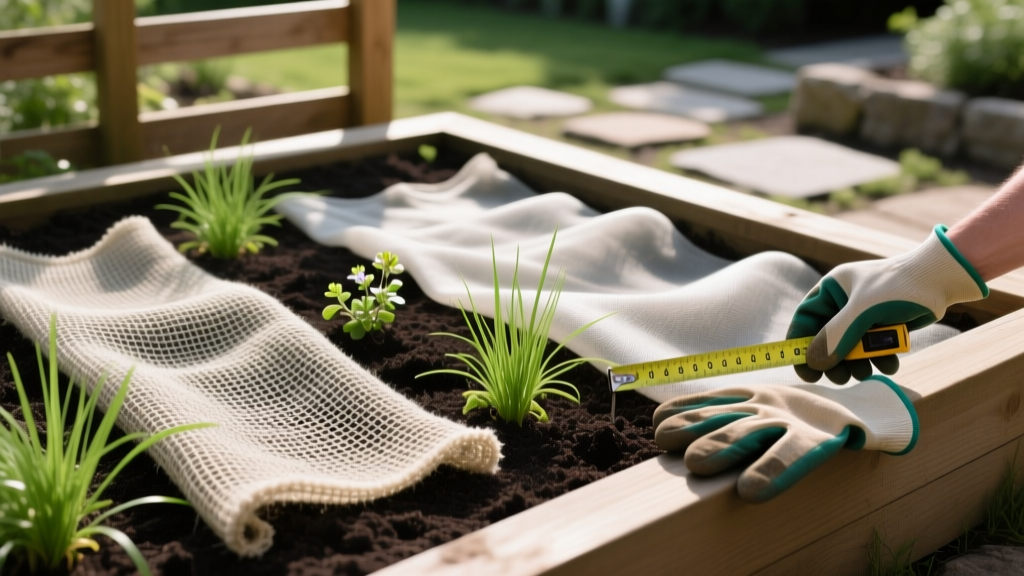
Professional Landscape Fabric Reviews: Woven vs Non-Woven
Sarah ChenPublished
The Role of Geotextiles in Modern Landscaping
When designing garden beds, planning hardscaping projects, or installing drainage solutions, managing weed growth is a primary concern for homeowners and landscape professionals alike. Weeds not only disrupt the visual appeal of your curb appeal improvements but also compete with desirable plants for vital water and soil nutrients. Among the most popular tools for weed suppression is landscape fabric, technically known as geotextile. However, not all fabrics are created equal. Choosing the wrong material can lead to waterlogging, soil compaction, and ultimately, a failed landscape design.
In this comprehensive product review and comparison guide, we break down the differences between woven and non-woven landscape fabrics. We will review top-performing products on the market, analyze their cost per square foot, and provide actionable installation advice to ensure your outdoor living spaces remain pristine for years to come.
Woven vs. Non-Woven: Understanding the Core Differences
Before diving into specific product reviews, it is crucial to understand the manufacturing processes that dictate how these fabrics perform in the field.
Woven Landscape Fabric
Woven fabrics are created by weaving polypropylene or linen strips together in a crisscross pattern. This manufacturing process results in a highly durable material with excellent tensile strength. Because of the tiny gaps between the woven strips, water and liquid fertilizers can easily permeate the soil, making it an ideal choice for garden beds and hardscaping bases. Woven fabrics are generally UV-treated to resist sun degradation, though they should always be covered by mulch or gravel for maximum longevity.
Non-Woven Landscape Fabric
Non-woven fabrics are made from polyester or polypropylene fibers that are bonded together using heat, chemicals, or needle-punching. The resulting material feels similar to heavy felt. While non-woven fabrics are exceptional for preventing soil erosion, separating aggregate in driveway installations, and wrapping French drain pipes, they are generally less permeable than woven options. Using thick non-woven fabric in ornamental planting beds can inadvertently restrict water and gas exchange, potentially suffocating plant roots.
Top Product Reviews: Best Woven Landscape Fabrics
1. DeWitt Pro 5 Weed Barrier
The DeWitt Pro 5 is widely considered the industry standard for residential and commercial garden beds. Weighing in at 3.2 ounces per square yard, it offers a phenomenal balance between permeability and weed suppression.
- Cost: Approximately $0.15 to $0.18 per square foot.
- Pros: Excellent water flow rate; highly resistant to tearing during installation; UV-stabilized for up to 5 years of direct exposure (though covering is recommended).
- Cons: Aggressive weeds like bindweed or nutsedge can eventually penetrate the fabric if left covered only by thin organic mulch.
- Best Use: Ornamental garden beds, shrub borders, and pathways covered with river rock or gravel.
2. GardenMate Heavy Duty Woven Ground Cover
For high-traffic areas or landscapes requiring heavy gravel loads, the GardenMate Heavy Duty fabric is a top-tier choice. At 5.0 ounces per square yard, it is significantly thicker than standard woven fabrics.
- Cost: Approximately $0.22 to $0.26 per square foot.
- Pros: Extreme puncture resistance; handles heavy wheelbarrow traffic and sharp aggregates without tearing; features printed alignment lines for precise plant placement.
- Cons: The stiffness makes it difficult to cut and fold around tight curves or complex garden bed shapes.
- Best Use: Driveway bases, heavy hardscaping projects, and commercial landscaping installations.
Top Product Reviews: Best Non-Woven Landscape Fabrics
3. ECOGARDEN Premium Non-Woven Geotextile
ECOGARDEN produces an 8-ounce spunbond non-woven fabric that excels in subsurface applications. It acts as a formidable barrier against soil migration while allowing subsurface water to pass through laterally.
- Cost: Approximately $0.19 per square foot.
- Pros: Superior soil separation capabilities; excellent for wrapping perforated pipes in drainage solutions; blocks 100% of sunlight to halt deep-rooted weed germination.
- Cons: Poor surface water permeability; if used in planting beds, surface irrigation will pool and runoff rather than soaking into the root zone.
- Best Use: French drains, retaining wall backfill, and beneath permeable pavers.
4. Agfabric 3.8oz Ground Cover (Hybrid Spunbond)
Agfabric offers a unique needle-punched non-woven fabric that mimics the permeability of woven fabrics while retaining the soil-separation benefits of non-woven materials.
- Cost: Approximately $0.13 per square foot.
- Pros: Highly flexible and easy to cut with standard landscaping shears; conforms beautifully to uneven terrain and sloped garden beds.
- Cons: Lower tensile strength means it can stretch or tear if pulled too tightly during the staking process.
- Best Use: Sloped erosion control, temporary weed suppression, and curved walkway bases.
Comparison Chart: Woven vs. Non-Woven Fabrics
| Feature | Woven Polypropylene | Non-Woven Spunbond/Felt |
|---|---|---|
| Primary Material | Woven plastic strips | Bonded polyester/polypropylene fibers |
| Water Permeability | High (Vertical drainage) | Low to Moderate (Lateral drainage) |
| Tensile Strength | Very High | Moderate |
| Best Landscaping Application | Planting beds, gravel paths | French drains, paver bases, erosion control |
| Average Cost (per sq. ft.) | $0.15 - $0.25 | $0.13 - $0.20 |
| Longevity (Under Mulch) | 10 to 15+ Years | 5 to 10 Years |
Installation Best Practices for Maximum Longevity
Even the most expensive, heavy-duty landscape fabric will fail if installed incorrectly. To protect your investment and ensure sustainable landscaping practices, follow these precise installation steps:
- Site Preparation: Remove all existing weeds, roots, and sharp rocks. Grade the soil to ensure proper drainage away from your home foundation. Apply a pre-emergent herbicide if dealing with a severe weed history.
- Overlap Seams: Never leave gaps between fabric rolls. Overlap all seams by a minimum of 6 inches. In high-wind areas or on slopes, increase the overlap to 12 inches to prevent soil exposure.
- Secure with Staples: Use 6-inch galvanized steel landscape staples (also known as sod staples). Place a staple every 3 feet along the seams and every 5 feet in the center of the fabric. On slopes, double the staple frequency to prevent shifting.
- Cutting for Plants: When planting, do not cut large holes. Instead, cut an X-shape into the fabric, fold the flaps back, dig your hole, plant, and fold the flaps snugly around the base of the plant stem.
- The Mulch Layer: Cover the fabric immediately. For woven fabrics in garden beds, use 2 to 3 inches of inorganic mulch like river rock or crushed granite. Organic mulches (like wood chips) will eventually decompose into a soil layer on top of the fabric, creating a perfect breeding ground for wind-blown weed seeds.
Expert Insights: Does Landscape Fabric Harm Soil Health?
While landscape fabric is highly effective for hardscaping and inorganic pathways, its use in permanent, living garden beds is a subject of debate among soil scientists. Over time, the pores in geotextiles can become clogged with fine soil particles and organic debris, drastically reducing water infiltration and gas exchange.
According to Dr. Linda Chalker-Scott, Extension Horticulturist at Washington State University, the use of impermeable or easily clogged landscape fabrics in permanent planting beds can lead to soil compaction, reduced gas exchange, and ultimately harm plant root systems. She recommends utilizing thick layers of arborist wood chips as a natural, permeable alternative for weed suppression in ornamental beds, reserving geotextiles primarily for non-planting applications like gravel paths and drainage systems.
This expert insight highlights a critical rule of sustainable landscaping: match the product to the specific application. Use heavy-duty woven fabrics for your gravel pathways, retaining walls, and hardscaping bases where weed control is paramount and plant respiration is not a factor. For living garden beds, prioritize deep organic mulching and proper soil biology to naturally outcompete weeds without risking long-term soil degradation.
Final Verdict
For the vast majority of landscaping weed control applications involving gravel, stone, or hardscaping bases, woven polypropylene fabric is the superior choice. Products like the DeWitt Pro 5 offer the perfect intersection of permeability, durability, and cost-effectiveness. Reserve non-woven fabrics for your drainage solutions, French drains, and subsurface soil separation projects. By understanding the unique properties of these geotextiles and installing them with precision, you can drastically reduce landscape maintenance time while preserving the structural integrity of your outdoor living spaces.

