Lawn Care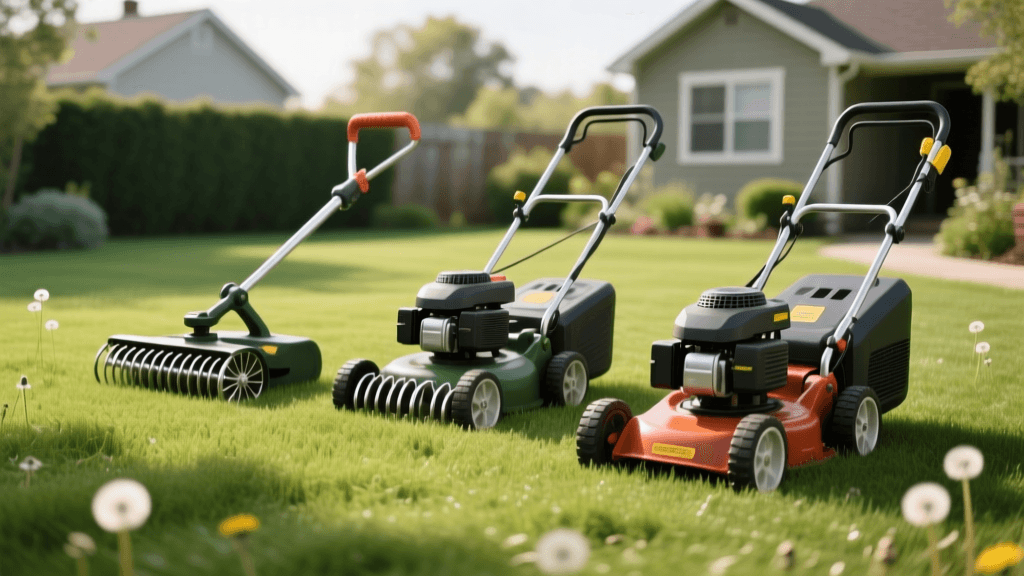
Best Lawn Core Aerators Reviewed: Manual vs Tow-Behind
The Hidden Enemy of Your Lawn: Soil Compaction
If your lawn is thinning, pooling water after rain, or struggling to absorb fertilizer, you are likely dealing with soil compaction. Over time, foot traffic, heavy mowing equipment, and natural settling compress the soil particles, squeezing out the oxygen and water that turfgrass roots desperately need to survive. Core aeration is the ultimate solution, physically removing small plugs of soil to allow air, water, and nutrients to penetrate the root zone.
According to the University of Minnesota Extension, 'Core aeration is the most effective method for alleviating soil compaction and managing thatch in residential lawns.' By pulling actual cores from the ground, you stimulate microbial activity and encourage deep root growth. But with so many aeration tools on the market, how do you choose the right one for your specific yard size and budget?
In this comprehensive review and comparison, we break down the three main categories of lawn core aerators: manual coring tools, tow-behind attachments, and walk-behind gas-powered machines. We will evaluate their performance, cost, and ideal use cases so you can make an informed purchase or rental decision.
Manual Core Aerators: Best for Small Lawns and Spot Treatment
Manual core aerators, often resembling a heavy-duty pitchfork with hollow tines and a foot bar, are the most budget-friendly option on the market. Models like the Yard Butler Lawn Coring Aerator or the Agri-Fab 40-Inch Push Plug Aerator rely entirely on human kinetic energy to drive the tines into the earth.
Performance and Usability
Using a manual step aerator is an excellent workout, but it is incredibly time-consuming. To properly aerate a 1,000-square-foot lawn, you will need to step the tool into the ground roughly 500 to 800 times, depending on how close together you space your plugs. The hollow tines typically extract 2 to 3-inch plugs, which is the ideal depth for residential turfgrass.
- Pros: Extremely affordable ($30 to $80), lightweight, easy to store, zero emissions, and provides precise control for spot-treating high-traffic areas like playgrounds or pet runs.
- Cons: Physically exhausting, highly inefficient for lawns larger than 2,500 square feet, and struggles to penetrate hard, dry clay soils without extensive pre-watering.
Verdict: Buy a manual aerator only if you have a small urban lawn, a townhome patio yard, or need to supplement a professional aeration service by targeting specific compacted zones.
Tow-Behind Core Aerators: Best for Large Lawns with Riding Mowers
If you own a riding lawn tractor or a heavy-duty zero-turn mower with a hitch, a tow-behind core aerator is a massive time-saver. The Agri-Fab 48-Inch Tow Plug Aerator and the Brinly 40-Inch Tow-Behind Core Aerator are industry standards for suburban homeowners with expansive properties.
Performance and Usability
These units feature a heavy steel tray that you must weigh down with concrete blocks or bags of sand (often requiring 100 to 150 pounds of added weight) to force the galvanized steel spoons into the soil. Once weighted, you simply hitch the aerator to your mower and drive across the lawn in overlapping passes.
- Pros: Covers large areas (1/2 acre to 2 acres) quickly, leverages equipment you already own, and requires minimal physical exertion compared to manual tools.
- Cons: Requires a riding mower with a hitch, turning radius can be tricky (risking turf tearing on sharp turns), and storing a 48-inch steel implement takes up significant garage space. Cost ranges from $200 to $350.
Verdict: The undisputed champion for rural properties and large suburban estates where owning a riding mower is already a necessity.
Walk-Behind Gas Core Aerators: Best for Medium to Large Lawns
For the ultimate residential aeration experience, walk-behind gas-powered aerators like the Billy Goat AET-48H or the Classen C-20HD are the gold standard. These are the machines you typically see available for rent at local hardware stores, though serious lawn care enthusiasts often purchase them outright.
Performance and Usability
Gas aerators use a mechanical cam or hydraulic system to drive the coring tines into the ground with immense downward force, independent of the machine's forward momentum. This means they can pull perfect 3-inch cores even in dense, compacted clay soils. Many models feature a coring on the turn mechanism, preventing the turf damage commonly caused by dragging tow-behind models around trees and flower beds.
- Pros: Unmatched pulling power, perfect plug extraction in tough soils, self-propelled ease of use, and professional-grade results.
- Cons: High purchase price ($2,000 to $4,000+), heavy (200+ lbs) requiring a truck or trailer for transport, and requires annual engine maintenance. Renting is an alternative at $75 to $100 per day.
Verdict: Ideal for lawn care professionals, landscaping businesses, or dedicated homeowners with multiple properties who want commercial-grade results without the hassle of coordinating rental schedules.
Aerator Comparison Chart
| Aerator Type | Best Lawn Size | Average Cost | Plug Depth | Physical Effort |
|---|---|---|---|---|
| Manual Step Aerator | Under 2,500 sq. ft. | $30 - $80 | 2 - 3 inches | Very High |
| Tow-Behind Aerator | 10,000 - 40,000 sq. ft. | $200 - $350 | 2 - 3 inches | Low (Requires Mower) |
| Walk-Behind Gas Aerator | 5,000 - 20,000+ sq. ft. | $2,000+ (or $85/day rental) | Up to 3.5 inches | Moderate (Self-Propelled) |
When to Aerate: Timing for Cool and Warm-Season Grasses
Owning the right equipment is only half the battle; timing your aeration correctly is crucial for turf recovery. Aerating during peak stress periods (like the heat of summer or winter dormancy) can severely damage your lawn.
Cool-Season Grasses (Kentucky Bluegrass, Fescue, Ryegrass)
The absolute best time to aerate cool-season lawns is in the early fall (late August through October). During this window, the soil is still warm enough to encourage rapid root growth and hole recovery, but the cool air temperatures reduce heat stress and weed competition. Spring aeration (April to May) is a secondary option, but it risks opening the soil to aggressive summer annual weeds like crabgrass.
Warm-Season Grasses (Bermuda, Zoysia, St. Augustine, Centipede)
Warm-season grasses should be aerated in the late spring to early summer (May through July), just as they enter their peak growing season. This ensures the grass has the metabolic energy to quickly fill in the aeration holes before the heat of late summer sets in.
Pro Tips for Maximum Aeration Results
To get the most out of your manual, tow-behind, or gas-powered aerator, follow these professional landscaping practices:
- Water Deeply Beforehand: Aerators cannot penetrate bone-dry soil. Apply 1 inch of water to your lawn 24 to 48 hours before aerating. The soil should be moist, but not muddy.
- Mark Your Utilities: Always call 811 to mark underground utility lines. Additionally, use bright landscaping flags to mark shallow sprinkler heads, invisible dog fences, and valve boxes to prevent catastrophic damage.
- Make Multiple Passes: For heavily compacted areas, make two passes over the lawn. The first pass should be in one direction, and the second pass should be perpendicular (in a crisscross pattern) to ensure maximum soil fracture.
- Leave the Plugs: Do not rake up the soil cores left on your lawn. They contain beneficial microbes that will naturally break down and help decompose the thatch layer over the next few weeks.
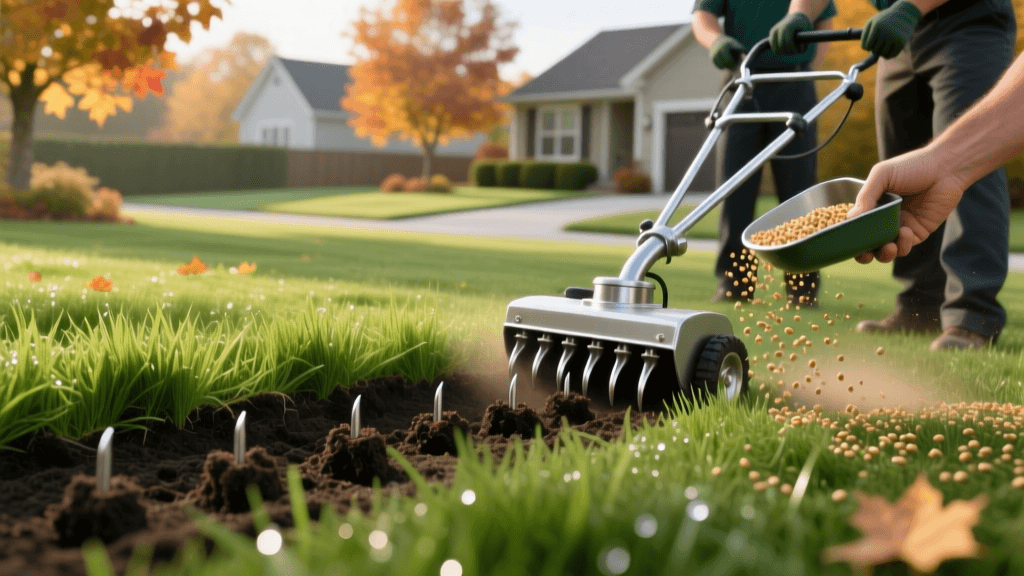
- Overseed and Fertilize: Aeration is the perfect precursor to overseeding and fertilizing. The open holes provide direct seed-to-soil contact, dramatically increasing germination rates.
Final Verdict: Which Aerator Should You Choose?
Choosing the right core aerator ultimately depends on your property size, budget, and existing equipment. If you are managing a small urban patch of grass, a manual step aerator is a cheap, effective tool that pays for itself in one season. For suburban homeowners with expansive properties and a riding mower, investing in a tow-behind aerator offers the best balance of cost and efficiency. However, if you demand professional, golf-course-quality results and are willing to rent or invest heavily, a walk-behind gas aerator is the undisputed king of turf renovation.
No matter which tool you select, making core aeration an annual or bi-annual habit will transform your soil structure, reduce water runoff, and yield the thick, vibrant lawn you have always wanted.