Pest Control
Best Lawn Grub Control Products: Preventative vs Curative
The Hidden Threat Beneath Your Turf
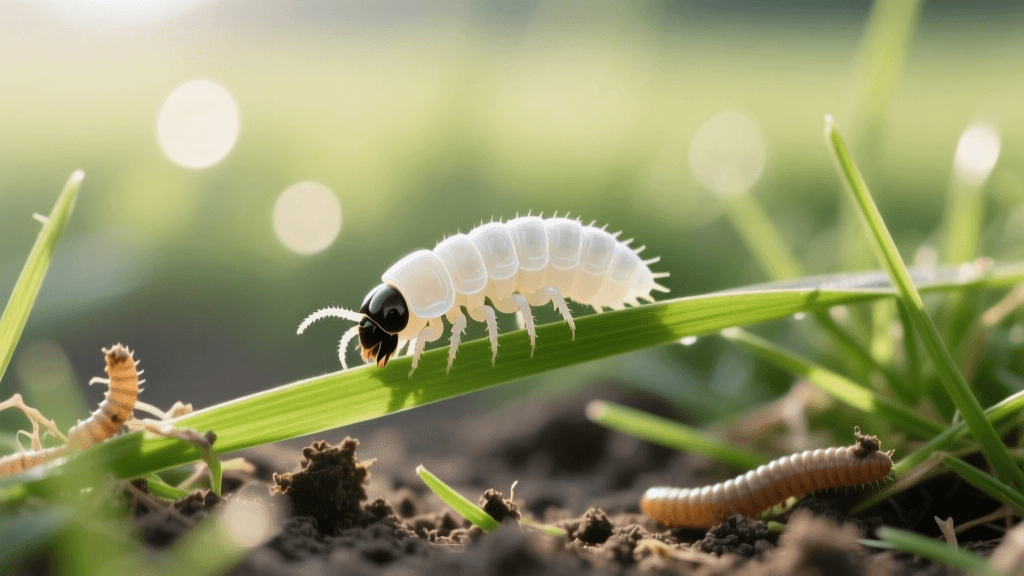
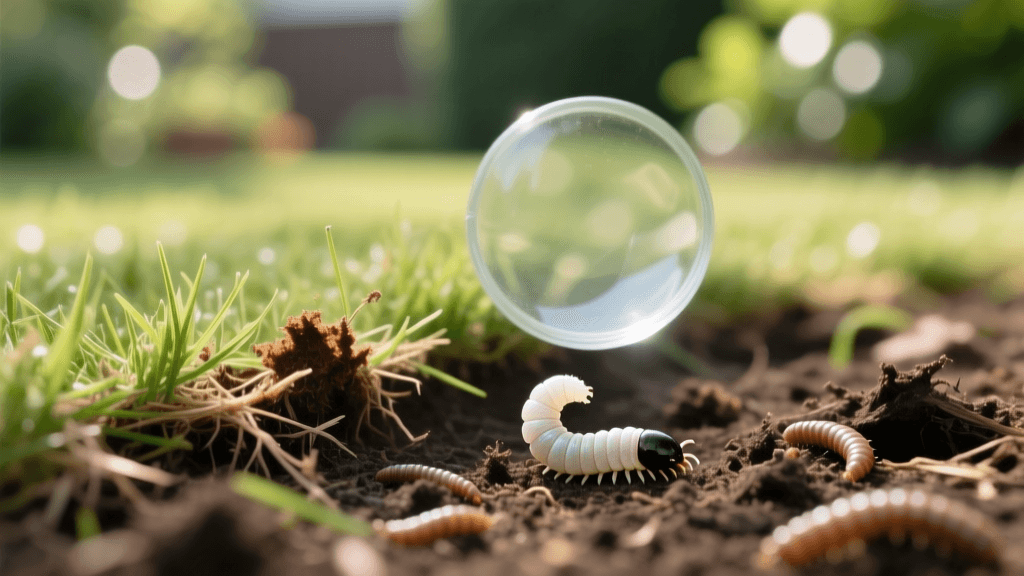
If your lawn feels spongy underfoot, rolls back like a carpet, or is being torn up by foraging raccoons and skunks, you likely have a white grub infestation. White grubs are the larval stage of various scarab beetles, including Japanese beetles, June bugs, and European chafers. These C-shaped, cream-colored pests feed on grassroots, cutting the turf loose from its soil and water supply. Left untreated, a heavy infestation can kill large patches of lawn in a few weeks. The pest control market offers solid options—but picking the right one depends on the time of year and where the grubs are in their life cycle. Below, we compare top lawn grub control products, covering preventative versus curative treatments, active ingredients, application costs, and environmental safety.
Understanding the Grub Life Cycle and Treatment Timing
To control grubs effectively, you need to know when they’re active. Adult beetles lay eggs in the soil during early to mid-summer—usually June and July. Those eggs hatch in late July and August, releasing tiny first-instar grubs that start feeding on grassroots near the surface. As fall arrives and temperatures drop, the grubs dig deeper to stay below the frost line for winter. In spring, they come back up to feed again before turning into adult beetles.
This timing shapes your approach. Preventative treatments target young, newly hatched grubs in late summer, stopping damage before it starts. Curative treatments are fast-acting contact poisons used in late summer or early fall, when grubs are larger and actively chewing through roots. Applying a preventative product in the fall—or a curative one in the spring—won’t help much and just wastes money and chemicals.
Top Grub Control Product Reviews and Comparisons
1. Scotts GrubEx1 Season Long Grub Killer (Best Preventative)
Active Ingredient: Chlorantraniliprole (0.08%)
Type: Preventative
Estimated Cost: $22 - $26 per 5,000 sq. ft.
Scotts GrubEx1 is a go-to preventative for many homeowners and landscapers. Its active ingredient, chlorantraniliprole, belongs to the anthranilic diamide class of insecticides. It works by affecting the grub’s muscle receptors, leading to paralysis and death. Because it breaks down slowly in soil, one application in early summer can protect your lawn for up to four months.
One big plus: chlorantraniliprole is much safer for bees, earthworms, and aquatic life than older neonicotinoids—when applied and watered in properly. But timing matters. You must apply it between May and early July. If you wait until August and the grass is already thinning or browning, GrubEx1 won’t act quickly enough to save it. For best results, apply 2.87 pounds per 1,000 square feet, then water with at least 0.5 inches right away to activate the granules.
2. Bayer Advanced 24 Hour Grub Killer Plus (Best Curative)
Active Ingredient: Trichlorfon (9.0%)
Type: Curative
Estimated Cost: $18 - $22 per 5,000 sq. ft.
If you spot an active infestation in late August or September, you need something that works fast. Bayer Advanced 24 Hour Grub Killer Plus uses trichlorfon, an organophosphate insecticide. When grubs contact it, trichlorfon disrupts their nervous system, causing paralysis and death within about a day.
This is a rescue treatment. It’s strong against larger, second- and third-instar grubs—the kind that preventative products often miss. But trichlorfon doesn’t stick around long in the soil. It usually breaks down in a week or two, especially in alkaline soils, so it won’t guard against future hatches or spring feeding. It’s also more harmful to earthworms and beneficial soil microbes, so reserve it for confirmed, damaging infestations. Water heavily right after applying to push the chemical down to where the grubs are feeding.
3. Milky Spore Powder (Best Organic / Long-Term Biological)
Active Ingredient: Paenibacillus popilliae (Milky Spore bacteria)
Type: Biological Preventative
Estimated Cost: $35 - $45 per 2,500 sq. ft. (initial investment)
For gardeners who prefer organic solutions, Milky Spore takes a different path. It’s a naturally occurring bacterium that only affects Japanese beetle grubs. When a grub eats the spores while feeding, the bacteria multiply inside it, eventually killing the grub and releasing new spores into the soil.
Milky Spore lasts. Once it’s established, it can keep working for 10 to 15 years without reapplying. But there are limits. It only works on Japanese beetles—not European chafers or June bugs. It also takes 2 to 3 years for spore levels to build up enough to make a real dent, so it won’t fix a current problem. And it’s pricier upfront. Soil temps need to stay above 65°F for it to work well. Think of it as part of a longer-term plan—not a quick fix.
Product Comparison Chart
| Product | Active Ingredient | Treatment Type | Best Application Window | Avg. Cost / 5k sq ft | Bee & Earthworm Safe? |
|---|---|---|---|---|---|
| Scotts GrubEx1 | Chlorantraniliprole | Preventative | May - Early July | $24.00 | Yes |
| Bayer 24-Hour Grub Killer | Trichlorfon | Curative | August - September | $20.00 | No (Use with caution) |
| Milky Spore Powder | Paenibacillus popilliae | Biological | Spring or Fall (Warm soil) | $70.00* | Yes (100% Organic) |
| BioAdvanced Season Long | Imidacloprid | Preventative | June - July | $19.00 | No (Toxic to bees) |
*Note: Milky Spore cost reflects the higher initial investment required for long-term biological establishment.
Actionable Application Best Practices
Picking the right product is only part of it—how you apply it matters just as much. Here’s what works, based on real-world use:
- Mow Before Application: Mow your lawn and rake out thick thatch before spreading granular treatments. Thatch holds onto the granules, keeping them from reaching the soil where the grubs live.
- Water In Immediately: Granular grub killers need to get off the grass blades and into the top 2–3 inches of soil. Water with 0.5 to 1 inch right after spreading. If you don’t have irrigation, time the application just before steady, moderate rain.
- Verify the Pest: Before buying curative trichlorfon, check for grubs. Cut a 1-foot square of turf with a shovel and lift it back. If you see 5 to 10 or more C-shaped white grubs per square foot, treatment makes sense. If it’s just 1 or 2, your lawn will probably recover on its own.
- Protect Pollinators: If you’re using a neonicotinoid-based preventative like imidacloprid, mow down any flowering weeds—like clover—first. These plants can pull the chemical into their nectar, which may harm bees.
Expert Insights and Citations
Integrated Pest Management (IPM) means using chemicals only when needed—and choosing the safest option that still does the job. According to the Penn State Extension turfgrass pathology department, 'Preventative insecticides are the most effective and environmentally sound approach to managing white grubs. Products containing chlorantraniliprole have largely replaced older neonicotinoids in professional turf management due to their superior safety profile regarding non-target pollinators and aquatic invertebrates.' (Source: Penn State Extension, White Grubs in Turfgrass).
University extension offices also warn against spraying on a fixed calendar schedule. Instead, track local university agricultural extension reports for adult beetle activity in your county. When adult flight peaks and starts to taper off, that’s the ideal window to apply a preventative chlorantraniliprole treatment.
Final Verdict
For most homeowners, Scotts GrubEx1 (Chlorantraniliprole) is the best all-around choice. Applied once in early summer, it gives season-long protection and plays nicer with bees and earthworms. Keep a bag of Bayer Advanced 24 Hour Grub Killer (Trichlorfon) on hand only if you miss the early window and notice serious damage in early fall. Match your product to the grub’s life stage, water it in well, and you’ll stand a good chance of keeping your lawn thick and healthy year after year.