Pest Control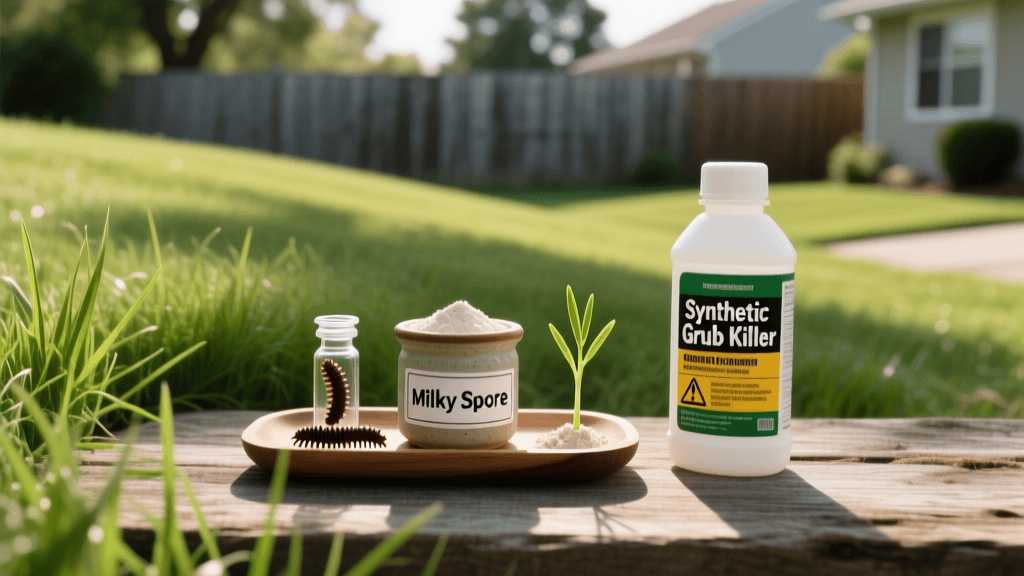
Best Grub Killers: Organic vs Chemical Product Review
The Hidden Threat: Identifying Lawn Grubs
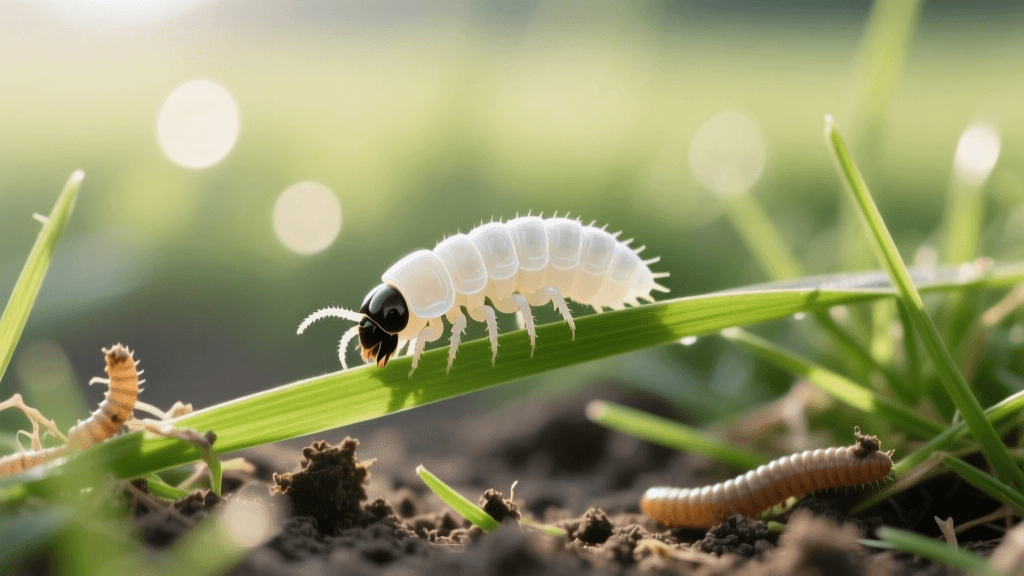
If your lawn feels spongy underfoot, rolls back like a carpet, or is suddenly plagued by digging birds and skunks, you likely have a grub infestation. Grubs are the larval stage of scarab beetles, including Japanese beetles, June bugs, and European chafers. These C-shaped, cream-colored insects live just beneath the soil surface, feasting on the root systems of your turfgrass. When roots are severed, the grass loses its ability to uptake water and nutrients, leading to irregular brown patches and eventual turf death.
As a homeowner, choosing the right grub control product can be overwhelming. The market is flooded with biological controls, organic powders, and synthetic chemicals. In this comprehensive product review and comparison guide, we break down the top-rated organic and chemical grub killers on the market, evaluating their active ingredients, application timing, cost-effectiveness, and overall efficacy to help you make an informed decision for your lawn care regimen.
Preventative vs. Curative Grub Control: Understanding Timing
Before purchasing a product, you must understand the difference between preventative and curative treatments. According to turfgrass experts at the Penn State University Extension, timing is the single most critical factor in grub management. Preventative insecticides target young, newly hatched grubs in mid-to-late summer before they cause significant damage. Curative insecticides, on the other hand, are fast-acting knockdown agents used in late summer or early fall when grubs are larger and actively destroying roots. Applying a preventative product in the fall, or a curative product in the spring, will result in wasted money and continued lawn damage.
Top Organic and Biological Grub Killers Reviewed
For homeowners practicing Integrated Pest Management (IPM) or those with pets and children who frequently use the lawn, biological and organic controls are highly attractive. These products utilize natural pathogens or predators to eliminate grubs without leaving toxic synthetic residues.
1. BioLogic Ecomask (Beneficial Nematodes)
Active Ingredient: Heterorhabditis bacteriophora (Hb nematodes)
Type: Curative / Biological Control
Estimated Cost: $45.00 per 10,000 sq. ft.
Beneficial nematodes are microscopic, unsegmented worms that naturally occur in soil. The Hb strain is a specialized predator that actively hunts down white grubs, enters their bodies, and releases a symbiotic bacteria that kills the grub within 48 hours. BioLogic's Ecomask is widely considered the gold standard for nematode applications because it ships in a dormant state and is formulated for easy mixing with water.
- Pros: 100% safe for pets, children, and pollinators; targets over 200 soil-dwelling pests; leaves no chemical residue.
- Cons: Requires immediate refrigeration upon delivery; highly sensitive to UV light and drought; must be applied during cool, overcast evenings.
- Application Advice: Apply at a rate of 1 million nematodes per 2,000 square feet. Water the lawn lightly before application to moisten the soil, and irrigate with 0.25 inches of water immediately after to wash the nematodes into the root zone.
2. St. Gabriel Organics Milky Spore Powder
Active Ingredient: Paenibacillus popilliae (Milky Spore bacteria)
Type: Long-term Preventative / Biological
Estimated Cost: $65.00 per 10,000 sq. ft. (using the grid dispenser method)
Milky Spore is a naturally occurring bacterium that specifically targets the larvae of Japanese beetles. When grubs ingest the spores while feeding on roots, the bacteria multiply inside them, eventually killing the grub and releasing billions of new spores back into the soil. It is a long-term investment rather than a quick fix.
- Pros: One application can protect the lawn for 10 to 15 years; highly specific to Japanese beetle grubs (won't harm earthworms); completely organic.
- Cons: Takes 2 to 4 years to reach peak efficacy; only effective against Japanese beetle larvae, not June bugs or European chafers; labor-intensive grid application.
- Application Advice: Apply using a specialized dispenser tube in a 4-foot grid pattern across the lawn. Do not broadcast spread. Water in gently and avoid using broad-spectrum chemical insecticides that could disrupt the soil biology.
Top Chemical and Synthetic Grub Killers Reviewed
Synthetic chemicals remain the most popular choice for rapid, broad-spectrum grub control. They offer predictable results, longer shelf lives, and are generally easier to apply using standard broadcast spreaders.
3. Scotts GrubEx1 (Chlorantraniliprole)
Active Ingredient: Chlorantraniliprole (0.08%)
Type: Preventative
Estimated Cost: $22.00 per 5,000 sq. ft.
Chlorantraniliprole is a modern, anthranilic diamide insecticide that has largely replaced older, more toxic neonicotinoids like imidacloprid for residential preventative grub control. It works by disrupting the muscle function of the grubs. Scotts GrubEx1 is highly regarded for its excellent safety profile regarding pollinators and earthworms when used as directed.
- Pros: Excellent safety profile for beneficial insects; long residual control (up to 4 months); easy to apply with a standard spreader.
- Cons: Strictly preventative (will not kill large, mature grubs in the fall); requires thorough watering to activate.
- Application Advice: Apply between late May and early July. The product must be watered in with at least 0.5 inches of irrigation or rainfall within 24 hours to move the active ingredient into the soil profile where grubs hatch.
4. BioAdvanced 24-Hour Grub Killer Plus (Trichlorfon)
Active Ingredient: Trichlorfon (6.2%)
Type: Curative
Estimated Cost: $18.00 per 5,000 sq. ft.
When you discover severe grub damage in late August or September, you need an immediate knockout punch. Trichlorfon, the active ingredient in BioAdvanced 24-Hour Grub Killer Plus (formerly sold as Dylox), is a fast-acting organophosphate that paralyzes and kills mature grubs within 24 hours of contact or ingestion.
- Pros: Rapid curative action; kills large, destructive third-instar grubs; also controls surface-feeding pests like armyworms and cutworms.
- Cons: Short residual life (degrades in soil within a few weeks); higher toxicity to earthworms and aquatic life; strict watering requirements.
- Application Advice: Apply only when active grub damage is confirmed in late summer or early fall. Water heavily immediately after application. Do not apply near storm drains, bodies of water, or areas prone to runoff.
Comprehensive Grub Control Comparison Chart
To help you visualize the differences between these top products, consult the comparison table below:
| Product | Active Ingredient | Control Type | Target Pests | Pet/Pollinator Safety | Best Application Window |
|---|---|---|---|---|---|
| BioLogic Ecomask | Hb Nematodes | Curative | Most scarab grubs | Extremely High | Late Summer / Early Fall |
| Milky Spore Powder | P. popilliae | Long-term Prev. | Japanese Beetles only | Extremely High | Spring or Fall |
| Scotts GrubEx1 | Chlorantraniliprole | Preventative | Most scarab grubs | High (when watered in) | Late Spring / Early Summer |
| BioAdvanced 24-Hour | Trichlorfon | Curative | Most scarab grubs | Moderate (Keep off until dry) | Late Summer / Early Fall |
Step-by-Step Application Guide for Maximum Efficacy
Regardless of whether you choose an organic biological or a synthetic chemical, proper soil preparation and application technique dictate your success rate. Follow these actionable steps to ensure the product reaches the root zone:
- Dethatch and Aerate: Grub control products must penetrate the soil. If your lawn has more than 0.5 inches of thatch, dethatch first. Core aeration is highly recommended prior to application to create direct pathways to the root zone.
- Mow Low: Mow your lawn slightly shorter than your normal maintenance height. This reduces the interception of the product by grass blades and ensures more granules or liquid reach the soil surface.
- Measure Accurately: Use a digital scale for powdered biologicals or calibrate your broadcast spreader for granular synthetics. Over-applying chemicals wastes money and harms the environment; under-applying leads to treatment failure.
- Water In Immediately: With the exception of Milky Spore (which requires only a gentle watering to avoid washing away), all grub control products require 0.5 to 1 inch of irrigation immediately after application. This dissolves granules and washes the active ingredient into the top 2 to 4 inches of soil where grubs feed.
Integrated Pest Management (IPM) Thresholds
Before treating your lawn, it is vital to confirm that you actually have a damaging population of grubs. The principles of Integrated Pest Management (IPM) dictate that we should only apply pesticides when economic or aesthetic damage thresholds are exceeded. A healthy lawn can easily tolerate a small number of grubs without showing any signs of stress.
To determine your grub population, use a flat-edged shovel to cut three sides of a 1-foot by 1-foot square of sod, about 2 inches deep. Peel back the sod like a carpet and count the grubs in the soil and on the roots. Replace the sod and water the test area. Repeat this process in three different areas of the lawn.
- 0 to 5 grubs per square foot: No treatment is necessary. The lawn can easily outgrow the minor root pruning.
- 6 to 9 grubs per square foot: Borderline. Treatment is only recommended if the lawn is under heat/drought stress or if you have a history of severe animal digging.
- 10 or more grubs per square foot: Action required. Apply an appropriate curative or preventative treatment based on the current season to prevent catastrophic turf loss.
Final Verdict: Which Product Should You Choose?
The 'best' grub killer depends entirely on your lawn's current condition, the time of year, and your personal philosophy regarding lawn chemicals. If you are planning ahead in the spring and want a safe, highly effective preventative barrier, Scotts GrubEx1 (Chlorantraniliprole) is our top recommendation for its ease of use and pollinator-friendly profile. If you are currently staring at brown, peeling patches of turf in late summer and need an immediate rescue, BioAdvanced 24-Hour Grub Killer Plus will stop the damage in its tracks. Finally, for the dedicated organic gardener willing to embrace soil ecology, BioLogic Ecomask Nematodes offer a fascinating, chemical-free, and highly lethal biological solution to the grub problem.