Pest Control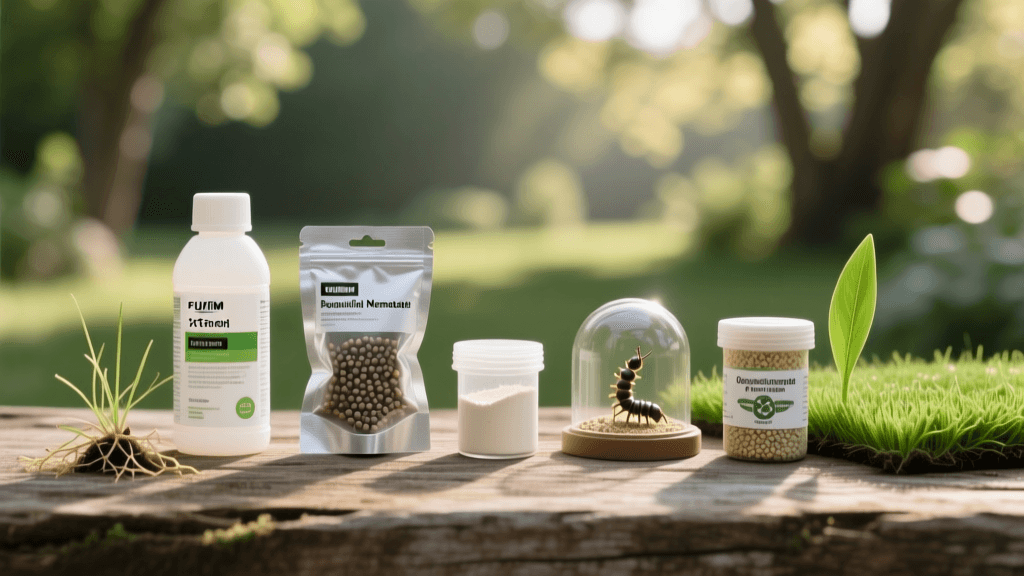
Best Grub Killers Reviewed: Chemical vs Organic Options
The Ultimate Guide to Lawn Grub Control: Chemical vs. Organic Product Reviews
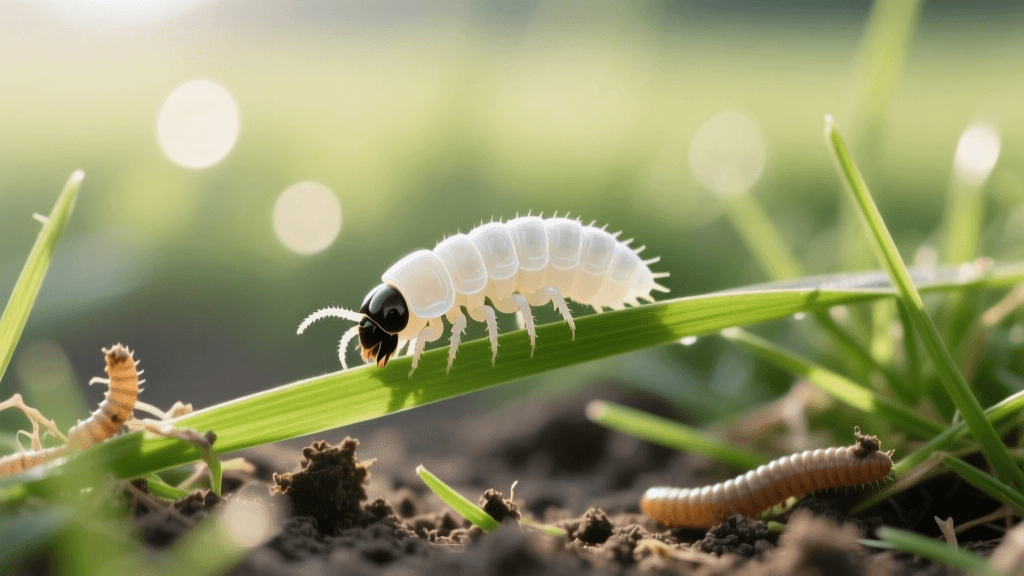
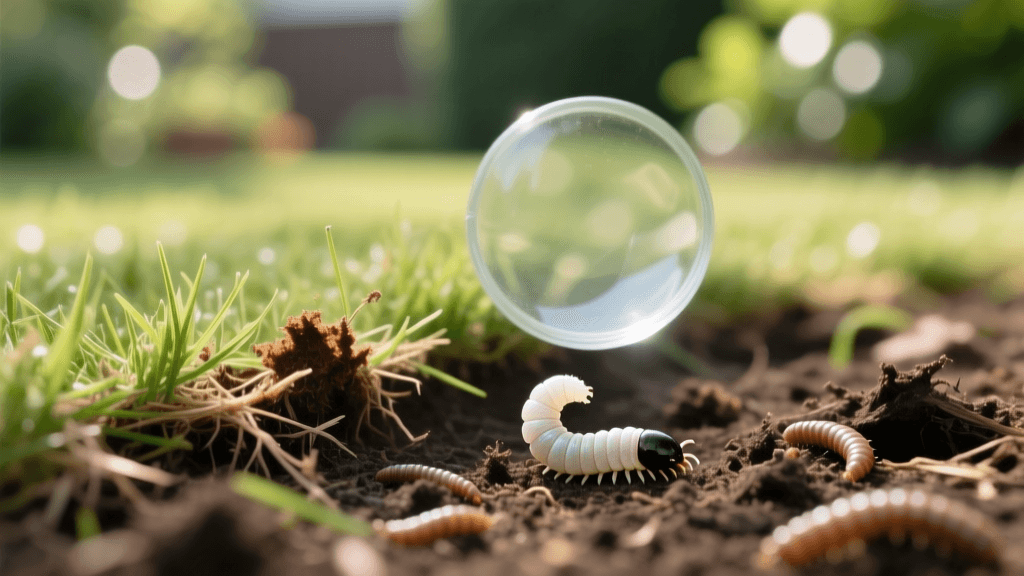
White grubs are the larval stage of various scarab beetles, including Japanese beetles, June bugs, and European chafers. These C-shaped, cream-colored pests live just beneath the soil surface, feasting on the root systems of your turfgrass. The result? Spongy brown patches that roll back like carpet, severe thinning, and secondary damage from foraging skunks, raccoons, and crows tearing up your lawn to eat the grubs. When an infestation strikes, choosing the right grub killer is critical to saving your turf. In this comprehensive review, we compare the top chemical and organic grub control products on the market, breaking down active ingredients, application timing, costs, and overall efficacy.
Identifying the Threat: When to Treat Your Lawn
Before spending money on grub control products, you must confirm that grubs are actually the culprit. Brown patches can also be caused by drought, fungal diseases, or dog urine. To verify a grub infestation, perform the 'tug test' and a soap drench.
- The Tug Test: Grab a handful of brown grass and pull. If it lifts easily with no roots attached, grubs have likely severed the root system.
- The Soap Drench: Mix two tablespoons of liquid dish soap with two gallons of water and pour it over a one-square-yard area of the lawn's edge. Wait ten minutes. The soap irritates the grubs, forcing them to the surface where you can count them.
According to turfgrass entomologists at Purdue University Extension, a healthy, well-irrigated lawn can tolerate up to 5 to 10 grubs per square foot without visible damage. Chemical or biological treatment is only recommended when populations exceed this threshold and active root feeding is observed.
If your count exceeds 10 grubs per square foot, it is time to deploy a targeted grub killer. Below, we review the most effective preventative, curative, and organic options available to homeowners.
Top Chemical Grub Killers Reviewed
1. Best Preventative: Scotts GrubEx1 Season-Long Grub Killer
Active Ingredient: Chlorantraniliprole (0.08%)
Best Application Window: Late Spring to Early Summer (May - July)
Estimated Cost: $25 per 5,000 sq. ft.
Scotts GrubEx1 is the gold standard for preventative grub control. Unlike older neonicotinoids, its active ingredient, Chlorantraniliprole, is an anthranilic diamide that targets the muscle function of the grubs. It is highly effective when applied before the eggs hatch, allowing the chemical to bind to the soil and root zone. When the newly hatched grubs begin to feed in late summer, they ingest the toxin and die before they can grow large enough to cause significant damage.
Pros:
- Provides up to four months of continuous protection.
- Safe for earthworms and most beneficial soil insects when used as directed.
- Will not harm bees or pollinators, as it is not a systemic neonicotinoid.
Cons:
- Completely ineffective as a curative treatment. It will not kill mature, actively feeding grubs in the fall.
- Requires heavy watering (at least 0.5 inches) immediately after application to activate the granules.
2. Best Curative: BioAdvanced 24-Hour Grub Killer Plus
Active Ingredient: Trichlorfon (Dylox) (6.2%)
Best Application Window: Late Summer to Early Fall (August - September)
Estimated Cost: $22 per 5,000 sq. ft.
If you missed the preventative window and your lawn is actively being destroyed in late summer or early fall, BioAdvanced 24-Hour Grub Killer Plus is your best line of defense. Dylox (Trichlorfon) is a fast-acting organophosphate that degrades quickly in the soil but delivers a massive, immediate knockdown effect to large, hungry grubs.
Pros:
- Works in as little as 24 hours, halting turf damage almost immediately.
- Effective against large, third-instar grubs that preventative products cannot kill.
- Also controls surface-dwelling pests like armyworms and cutworms.
Cons:
- Short residual life; it breaks down in the soil within a few days and offers no long-term protection.
- Highly toxic to aquatic life; strict runoff management is required near ponds or streams.
Top Organic & Biological Grub Controls Reviewed
3. Best Biological Control: Arbico Organics Beneficial Nematodes (Hb Strain)
Active Organism: Heterorhabditis bacteriophora (Hb) living nematodes
Best Application Window: Late Summer to Early Fall (Soil temps 60°F - 85°F)
Estimated Cost: $35 per 10 million nematodes (covers approx. 3,200 sq. ft.)
For organic lawn care enthusiasts, beneficial nematodes are a game-changer. The Hb strain of microscopic worms actively hunts down white grubs in the soil. Once a nematode enters the grub through a natural opening, it releases a symbiotic bacteria that kills the grub within 48 hours. The nematodes then reproduce inside the dead host and emerge to hunt for more prey.
Pros:
- 100% organic and entirely safe for humans, pets, earthworms, and pollinators.
- Self-sustaining; populations can multiply and provide secondary control in subsequent seasons if soil conditions remain favorable.
- Highly effective against Japanese beetle and June bug larvae.
Cons:
- Extremely fragile. Must be kept refrigerated before use and applied during overcast conditions or in the evening to avoid UV degradation.
- Requires consistently moist soil for several weeks post-application to survive and move through the soil profile.
- Higher upfront cost per square foot compared to synthetic chemicals.
4. Best Long-Term Organic Solution: St. Gabriel Organics Milky Spore
Active Organism: Bacillus popilliae spores
Best Application Window: Anytime the ground is not frozen (Optimal in early Fall)
Estimated Cost: $45 per 20 oz. (covers 7,000 sq. ft.)
Milky Spore is a naturally occurring bacterium that specifically targets Japanese beetle grubs. When the grub ingests the spores while feeding on roots, the bacteria multiply inside its blood, turning it a milky white color before it dies. As the grub decomposes, billions of new spores are released into the soil, creating a long-term biological barrier.
Pros:
- Once established, a single application can provide control for 10 to 15 years.
- Highly specific; it will not harm beneficial insects, earthworms, or non-target beetle species.
- Easy to apply using a granular spreader or drop tube.
Cons:
- Only effective against Japanese beetle grubs; it will not control European chafers or June bugs.
- Extremely slow to establish. It can take 1 to 3 years for the spore count in the soil to reach lethal levels for the grub population.
- Not a viable option if you need immediate curative relief for a dying lawn.
Comparison Chart: Chemical vs. Biological Grub Control
| Product | Type | Active Ingredient / Organism | Best Application Window | Est. Cost (5k sq ft) | Speed of Results |
|---|---|---|---|---|---|
| Scotts GrubEx1 | Preventative Chemical | Chlorantraniliprole | Spring / Early Summer | $25.00 | Weeks (Prevents damage) |
| BioAdvanced 24-Hr | Curative Chemical | Trichlorfon (Dylox) | Late Summer / Early Fall | $22.00 | 24 to 48 Hours |
| Arbico Hb Nematodes | Curative Biological | Heterorhabditis bacteriophora | Late Summer / Early Fall | $55.00 | 3 to 7 Days |
| St. Gabriel Milky Spore | Long-Term Biological | Bacillus popilliae | Anytime (Ground unfrozen) | $32.00 | 1 to 3 Years |
Expert Application Tips & Timing Strategies
Success in grub control relies heavily on timing and soil preparation. Applying the right product at the wrong time is the number one reason homeowners experience treatment failure. Follow these expert guidelines to maximize your investment:
Watering is Non-Negotiable
Whether you are using granular chemicals or liquid biologicals, the active ingredient must reach the root zone where the grubs are feeding. Always apply grub killers to moist soil, and immediately water the lawn with at least 0.25 to 0.5 inches of irrigation. This washes the chemical off the grass blades and into the thatch and soil layer. For nematodes, continuous light watering for the first two weeks is required to prevent the soil from drying out and killing the organisms.
Mow Before You Apply
Mow your lawn to its standard height right before applying any grub control product. Tall grass can intercept granules, preventing them from reaching the soil surface and leading to uneven distribution and UV degradation of the active ingredients.
Integrated Pest Management (IPM) Approach
Do not rely solely on chemical interventions. A robust Integrated Pest Management strategy includes cultural controls that make your lawn less hospitable to egg-laying beetles. Adult Japanese beetles and June bugs prefer to lay eggs in thin, poorly irrigated turf with compacted soil. By maintaining a thick, healthy lawn through proper aeration, deep and infrequent watering, and adequate fertilization, you naturally crowd out weeds and reduce the micro-habitats that grubs need to thrive. Furthermore, allowing your turf to grow slightly taller (3 to 4 inches) shades the soil, deterring adult beetles from laying eggs in the first place.
Conclusion
Choosing the best grub killer depends entirely on the current state of your lawn and the time of year. If you are planning ahead in the spring, Scotts GrubEx1 offers the most reliable, long-lasting preventative protection. If your lawn is currently under siege in the fall, the fast-acting knockdown power of BioAdvanced 24-Hour Grub Killer Plus is your best curative bet. For those committed to organic lawn care, Beneficial Nematodes provide a rapid, eco-friendly curative strike, while Milky Spore is an excellent long-term investment for lawns plagued specifically by Japanese beetles. By correctly identifying your grub population, respecting the application thresholds outlined by university extensions, and timing your treatments perfectly, you can maintain a lush, resilient, and grub-free lawn year after year.