Lawn Care
Best Lawn Mowers For Small Yards
Matching the Right Mower to a Small Yard
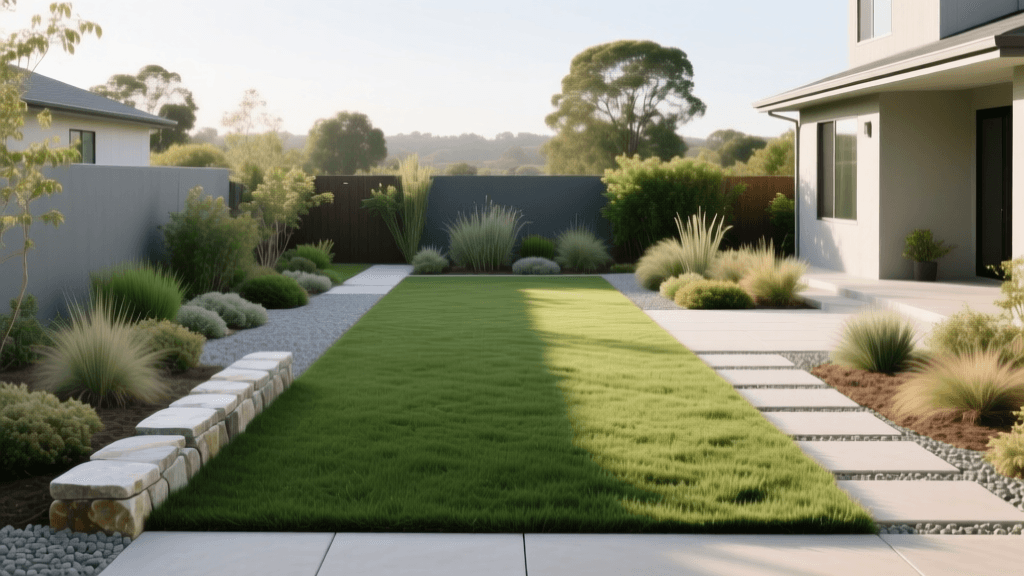
A small yard — usually under 5,000 square feet — works differently than a bigger lawn. You don’t need wide cutting decks or heavy-duty engines. What matters more is how easily it turns around flower beds, fits between a fence and a shrub, and fits in your garage or shed. Today’s market has plenty of mowers built just for this kind of space: lightweight battery-powered push models, compact self-propelled units, and even manual reel mowers that do a clean job without any power source.
Before picking a model, take a look at your grass. Warm-season types like Zoysia japonica and Cynodon dactylon (Bermudagrass), common in the Southeast, grow best when cut between 1 and 2 inches. That means you’ll want a mower with smooth, precise height adjustment. Cool-season grasses like Festuca arundinacea (tall fescue) and Poa pratensis (Kentucky bluegrass), which dominate the Midwest and Pacific Northwest, do better at 3 to 4 inches — so most standard mowers will handle them fine. Matching your mower’s height range to your grass type helps keep the lawn healthy and even.
Electric vs. Gas: The Power Source Decision
For yards under 5,000 square feet, battery-powered mowers now hold up well against gas models. A 40V or 60V lithium-ion battery usually runs 45 to 60 minutes on a single charge — enough for a quarter-acre, with some left over. Take the EGO Power+ LM2135SP, for example: its 56V battery covers up to 6,000 square feet per charge, according to EGO’s specs. That number assumes average grass density; thick St. Augustinegrass (Stenotaphrum secundatum) or overgrown fescue can knock runtime down by 20 to 30 percent.
Gas mowers still have an edge when it comes to raw power — especially in wet or very dense grass, where electric models sometimes stall. The Honda HRX217VKA, a consistent top performer in consumer tests, uses Honda’s GCV200 engine and a twin-blade “MicroCut” system that chops clippings finer than most single-blade setups. Its 21-inch deck fits small yards well, and its variable-speed self-propel (0–4 mph) handles slopes up to 20 degrees — handy if your yard isn’t perfectly flat.
Noise and emissions matter too. The University of California Cooperative Extension points out that gas-powered lawn gear contributes more than its share of VOCs in neighborhoods — one reason several California air districts offer rebates for switching to electric tools. If you live in an HOA or close to neighbors, a battery mower running around 75 dB versus a gas mower’s 90–95 dB makes a real difference in daily life.
Cordless Battery Platforms Worth Considering
- EGO Power+ LM2135SP — 21-inch deck, 56V battery, self-propelled, folds flat for vertical storage; MSRP approximately $549 with battery
- Greenworks Pro 80V 21-inch — brushless motor, 60-minute runtime on 2Ah battery, compatible with Greenworks 80V tool ecosystem
- Ryobi 40V HP 20-inch — 20-inch deck suits very small yards, cross-compatible with Ryobi 40V platform, MSRP around $299 with battery
- Makita XML08PT1 — dual 18V batteries (36V combined), 18-inch deck ideal for yards under 3,000 sq ft, integrates with Makita LXT system
Reel Mowers: The Underrated Option for Fine Turf
Manual reel mowers are worth a second look if you’ve got a small, tidy lawn — especially one with fine-bladed grass. Researchers at the University of Georgia’s Griffin Campus found that reel mowers cut grass cleanly, like scissors, instead of tearing it like a dull rotary blade. That helps reduce moisture loss and lowers the chance of disease. For Bermudagrass or Zoysia kept at 1 to 1.5 inches, a good reel mower can give you a cut that looks like a golf course green.
The Fiskars StaySharp Max Reel Mower is the most widely recommended consumer model. It has an 18-inch cutting width, a 9-blade reel, and adjusts from 1 to 4 inches high. It needs no fuel, no charging, and makes zero emissions. The catch? You do the work — it’s easiest on flat ground and works best when you mow every 5 to 7 days during peak growth. Let the grass get too tall, and the reel struggles to cut cleanly.
When a Reel Mower Makes Sense
A reel mower fits well if your yard is under 2,500 square feet, mostly flat, and planted with fine-textured grass. It gets tricky on steep or uneven ground, or if you go more than 10 days between mowings. Tall fescue and other coarse-bladed cool-season grasses aren’t great matches — their width and stiffness can make the reel push instead of cut.
Deck Size and Maneuverability in Tight Spaces
Wider decks don’t always mean faster mowing in small yards. A 21-inch deck needs about 21 inches of clearance to squeeze between a fence post and a garden bed. In practice, most people with compact lawns find 18- to 20-inch decks easier to handle — they cut efficiently but don’t force constant repositioning.
Self-propelled models help on hills but add weight — usually 4 to 8 pounds more than a comparable push mower. On a flat 3,000-square-foot lawn, a lightweight push mower weighing 55–65 lbs is often simpler to manage than a heavier self-propelled unit. The Toro Recycler 21-inch Personal Pace mower weighs 68 lbs and uses rear-wheel drive that matches your walking speed, so you’re not fighting a fixed pace — especially helpful on longer mowing sessions.
Storage Footprint Comparison
| Model | Deck Width | Folded Height | Weight | Storage Footprint |
|---|---|---|---|---|
| EGO LM2135SP | 21 in | 19 in (vertical) | 77 lbs | ~2.5 sq ft |
| Ryobi 40V 20-in | 20 in | 22 in (folded) | 55 lbs | ~3.0 sq ft |
| Fiskars StaySharp Max | 18 in | 38 in (upright) | 47 lbs | ~2.0 sq ft |
| Honda HRX217VKA | 21 in | 34 in (folded) | 90 lbs | ~3.5 sq ft |
| Toro Recycler 21-in | 21 in | 36 in (folded) | 68 lbs | ~3.2 sq ft |
Mulching, Bagging, and Discharge: What Small Yards Actually Need
Mulching — chopping clippings into fine pieces and dropping them back onto the lawn — is usually the best option for small yards. Research from Penn State Extension Turfgrass Program (2021) shows that returning clippings can supply about one pound of nitrogen per 1,000 square feet each growing season, cutting down on how much fertilizer you need. This “grasscycling” works best when you mow often enough that clippings stay short — no more than one-third of the blade length removed at a time.
Bagging helps when the lawn is recovering from disease, when you’ve missed a few mowings and the grass is tall, or in fall when you’re also collecting leaves. Most mowers in this size range offer 3-in-1 functionality — mulch, bag, or side discharge — so you can switch as needed. The Honda HRX217 series stands out for mulching thanks to its twin-blade system, which cuts clippings twice before they settle back into the turf.
Side discharge rarely makes sense for small yards. Clippings fly sideways onto sidewalks, driveways, or garden beds, and cleaning them up usually cancels out any time saved. Use it only when grass is too tall for mulching and you don’t have a bag attached.
Maintenance Expectations by Mower Type
Battery-powered mowers need far less upkeep than gas models. No spark plugs, no air filters, no carburetor to clean after winter. Main tasks are sharpening the blade once or twice a season (or after hitting something hard) and scraping built-up clippings off the underside of the deck — that buildup can hurt airflow and mulching.
Gas mowers need an oil change each spring (every 50 hours or annually, whichever comes first), air filter checks every 25 hours, and a new spark plug once a year. Add fuel stabilizer before storing for winter — it keeps ethanol-blended gasoline from gumming up the carburetor. The Briggs & Stratton Foundation recommends using a stabilizer rated for E10 fuel, since that blend is now standard across most of the U.S. and breaks down faster than pure gasoline.
- Sharpen or replace the blade at the start of each mowing season and after any impact with rocks or roots
- Clean the underside of the deck after every 3 to 5 mowings to prevent clipping buildup
- For gas mowers, change oil annually and inspect the air filter every 25 operating hours
- Store battery mowers with the battery at 30–60% charge if storing for more than 30 days
- Lubricate wheel axles and drive cables on self-propelled models at the start of each season
Blade sharpness affects your lawn more than most people realize. A dull blade tears grass instead of cutting it cleanly, leaving ragged tips that brown within 24 to 48 hours — a sign often mistaken for drought or disease. North Carolina State University’s Turfgrass Science program suggests checking sharpness by looking at freshly cut blades: clean, white ends mean the blade is sharp; frayed or brown-tipped ends mean it’s time to sharpen.
With regular care, most mowers for small yards last 8 to 12 years. Spending $350 to $600 on a solid battery model, or $400 to $700 on a reliable gas push mower, pays off over time compared to buying cheaper models every few years. Look for brands with easy access to replacement parts and strong local dealer support — especially for gas models, where carburetor or engine repairs may eventually need a pro.