Pest Control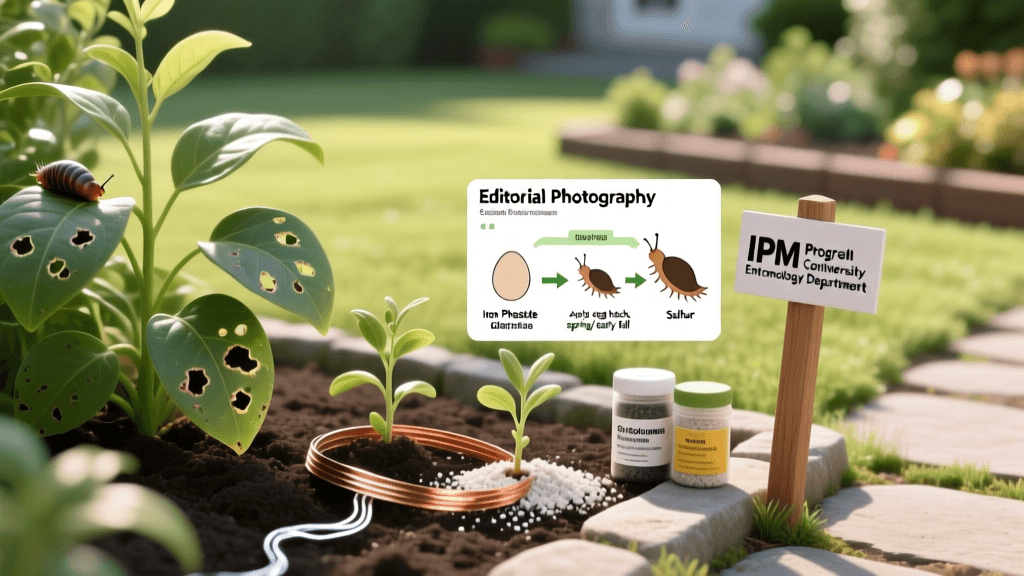
Best Methods To Control Slugs In The Garden
Understanding Slug Biology and Behavior
Slugs are persistent garden pests in temperate climates — they can wipe out seedlings overnight and leave mature leaves full of irregular holes. They’re not insects but mollusks, soft-bodied relatives of snails without a shell. Because they dry out easily, they feed mostly at night or during cool, wet weather.
The two most common garden slugs in North America and Europe are the gray garden slug (Deroceras reticulatum) and the black slug (Arion ater). The gray garden slug does the most damage to vegetable crops and shows up in most commercial control products. According to the University of California Statewide Integrated Pest Management Program (UC IPM, 2022), Deroceras reticulatum can go through two or three generations a year when conditions are right, with numbers highest in spring and again in early autumn.
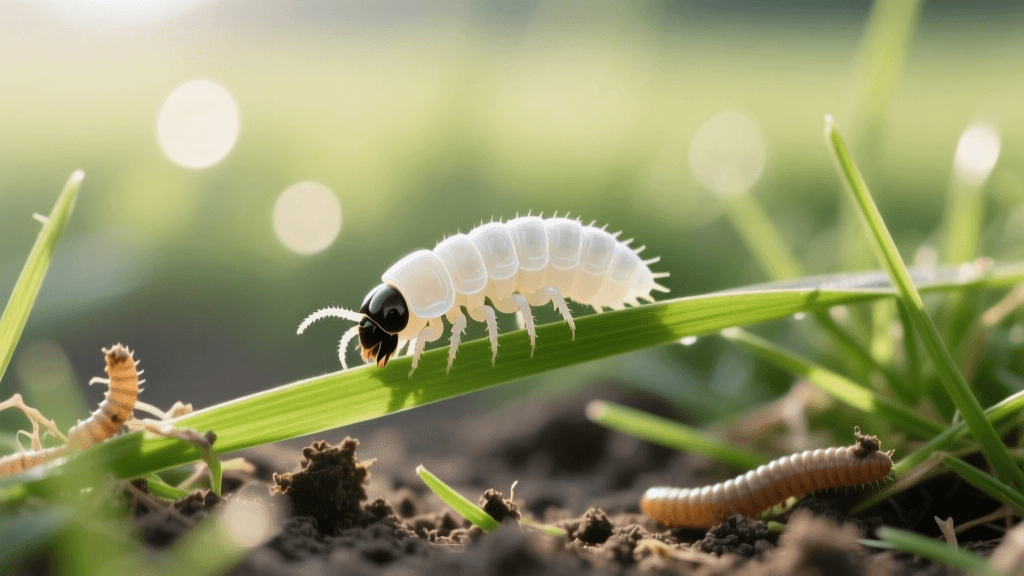
Slugs are hermaphrodites — each one has both male and female reproductive organs. A single adult can lay up to 300 eggs a year in batches of 10 to 50, usually in moist soil, under debris, or in ground cracks. The eggs are pearly white and about 3–4 mm across. They hatch in 2 to 4 weeks, depending on soil temperature. Juveniles take 3 to 6 months to mature and start laying eggs themselves. That quick turnover means even a few overlooked slugs can turn into a real problem by midsummer.
Slug Lifecycle and Seasonal Activity
Slugs move around most when it’s cool and damp — soil temperatures between 5°C and 20°C (41°F–68°F) and plenty of surface moisture. In hot, dry weather, they burrow deeper into the soil or hide under mulch and become quiet. That matters for timing control: treatments applied in March through May and again in September through November tend to work better than those used in midsummer.
Eggs survive the winter in the soil and hatch in early spring, giving rise to the first group of juveniles each year. These are the ones that chew up newly planted seedlings and young sprouts. A second round of egg-laying happens in late summer, producing an autumn group that feeds heavily before cold weather arrives. Hitting both of those windows makes a big difference in keeping numbers down.
Identifying Slug Damage
Slug feeding leaves irregular holes with smooth edges, often in the middle of leaves rather than along the edges — which helps tell it apart from caterpillar damage. Silvery slime trails on soil, leaves, or hard surfaces are a clear sign slugs are around. Seedlings sometimes get cut off at the base or eaten whole. Root crops like potatoes and carrots can get tunnelled or scarred underground.
To check for slugs, go out at night with a flashlight, or lay flat boards or damp cardboard in the garden and lift them in the morning. Finding 1 to 2 slugs per board each night is usually enough reason to act — especially near seedlings or high-value plants.
Cultural and Physical Control Methods
Cultural practices can cut slug numbers by making your garden less comfortable for them — no chemicals needed. These are the starting point for any Integrated Pest Management (IPM) plan and are recommended first by extension services like Oregon State University Extension and the Royal Horticultural Society (RHS).
- Reduce surface moisture: Water in the morning so the soil dries before nightfall, when slugs come out.
- Remove hiding places: Clear away boards, thick ground cover, leaf litter, and other debris where slugs spend the day.
- Cultivate soil regularly: Light tilling brings eggs and young slugs to the surface, where sun and birds can get to them.
- Use raised beds with copper tape: Copper gives slugs a mild shock when they crawl over it. Use tape at least 4 cm wide and keep it clean.
- Avoid heavy mulching near vulnerable plants: Thick organic mulch holds moisture and gives slugs shelter. Pull mulch back 10–15 cm from plant stems.
Diatomaceous earth, sharp grit, and crushed eggshells are popular barriers, but they don’t always hold up. Diatomaceous earth stops working when it gets wet and needs refreshing after rain. A 5 cm band of coarse horticultural grit around individual plants can help protect high-value specimens, though it’s not realistic for large areas.
Trapping and Hand-Picking
Beer traps are one of the more reliable physical controls. Sink a shallow container level with the soil and fill it with cheap beer or a mix of yeast, water, and sugar. Slugs crawl in and drown. Empty and refill the traps every 2 to 3 days. A 2016 study from the University of Hertfordshire found that beer traps reduced local slug numbers by up to 30% over two weeks when placed one per 2 square meters.
Hand-picking at night works well in small gardens, even if it’s time-consuming. Drop collected slugs into salty water or carry them far from the garden. Don’t just move them nearby — slugs have been known to travel back from as far as 20 meters.
Biological Control Options
Biological controls target slugs without harming other garden life. The most widely used option is the parasitic nematode Phasmarhabditis hermaphrodita, sold under names like Nemaslug. These tiny worms enter slugs through natural openings and release bacteria that kill them. Slugs stop eating within 3 to 5 days and die within about 10 days.
You apply nematodes as a soil drench using a watering can or hose-end applicator. They need soil temperatures above 5°C and decent moisture to work. Typical application rates are around 300,000 nematodes per square meter, and protection lasts about 6 weeks before reapplication. They’re safe for mammals, birds, earthworms, and beneficial insects — a good fit for organic gardens or places where pets or kids play.
Natural predators also help keep slug numbers in check. Ground beetles (Carabus spp.), hedgehogs, frogs, toads, slow worms, and thrushes all eat slugs. You can encourage them by adding log piles, ponds, or undisturbed ground cover along garden edges. Some market gardens use Indian Runner ducks — they’re efficient slug hunters and fit well into integrated systems.
Chemical and Bait-Based Controls
When cultural and biological methods aren’t enough, baits offer quicker results. The two main active ingredients are metaldehyde and iron phosphate (ferric phosphate). They work differently, last different lengths of time, and carry different risks.
"Iron phosphate baits have become the preferred choice for IPM programs in organic and residential settings due to their low mammalian toxicity and minimal environmental persistence. Metaldehyde remains more immediately effective under wet conditions but carries significant risks to non-target wildlife, particularly hedgehogs and birds." — Oregon State University Extension Service, Integrated Pest Management Program, 2021
Metaldehyde interferes with slug mucus production, leading to rapid dehydration. It works fast and holds up in varied weather. But it’s toxic to dogs, cats, and wildlife, and has shown up in surface water and groundwater in farming areas. Several European countries have restricted or banned its outdoor use. In the U.S., the EPA requires label instructions to keep it away from pets and wildlife.
Iron phosphate baits — like Sluggo or Escar-Go — take longer to work. Slugs stop feeding in 3 to 6 days and die in 3 to 14 days. They’re approved for certified organic use and considered safe around children, pets, and wildlife. Iron phosphate breaks down into iron and phosphate, nutrients already present in healthy soil. For most home gardens, it’s the safer, more practical pick.
| Active Ingredient | Speed of Action | Organic Approved | Pet/Wildlife Safety | Persistence in Soil |
|---|---|---|---|---|
| Metaldehyde | Fast (1–3 days) | No | Low — toxic to mammals and birds | Moderate (weeks) |
| Iron Phosphate | Slow (3–14 days) | Yes (OMRI listed) | High — low toxicity | Low (breaks down rapidly) |
| Parasitic Nematodes | Moderate (3–10 days) | Yes | High — no toxicity | 6 weeks (living organism) |
Application Timing and Placement
Baits work best when placed at the right time and in the right way. Put them out in early evening, when slugs start moving, not in the morning when they’ve already gone to shelter. Apply after rain or irrigation, when the soil is moist and slugs are most active. Avoid dumping large piles — scatter pellets evenly at about 1 gram per square meter instead. That spreads the risk for non-target animals and improves coverage.
Reapply every 7 to 14 days during high activity, or after heavy rain washes pellets away. In vegetable gardens, check labels for pre-harvest intervals — most iron phosphate products have none, while some metaldehyde products require waiting 7 days or more before harvest.
Integrated Pest Management Strategies
The most lasting slug control comes from mixing several approaches in an IPM framework. IPM, as outlined by the Food and Agriculture Organization of the United Nations (FAO, 2023) and supported by university extension services in the U.S. and UK, focuses on watching what’s happening, acting only when needed, and trying lower-risk options first.
A simple IPM plan for a home vegetable garden might look like this:
- Monitor regularly using beer traps or board checks starting in early March. Keep track of counts to see when activity picks up.
- Apply cultural controls at season’s start: shift watering to mornings, clear debris, and add copper tape to raised beds.
- Deploy biological controls (nematodes) in early spring and again in late summer, aiming for the two main waves of young slugs.
- Use iron phosphate baits as backup during high-pressure times — especially around transplanting, when seedlings are easiest to damage.
- Encourage natural predators year-round by managing habitat at garden edges — log piles, ponds, patches of wilder ground.
Using several methods together cuts dependence on any one tactic, slows resistance, and keeps overall chemical use low. The University of Minnesota Extension (2022) found that gardens following IPM principles typically use 40–60% less pesticide than conventional gardens, with equal or better pest control over the full season.
Slug pressure isn’t the same everywhere. Gardens in the Pacific Northwest, the UK, and other rainy temperate zones deal with more slugs than drier regions. In high-risk areas, you might need nematodes every 6 weeks from March through October. In drier spots, cultural controls alone may be enough most years — with baits saved for unusually wet seasons.
Keeping notes on slug activity, what you tried, and how it went helps you fine-tune your approach over time. That kind of record-keeping turns slug management from a scramble each spring into something predictable and manageable — part of the rhythm of gardening, not a crisis to react to.