Home & Garden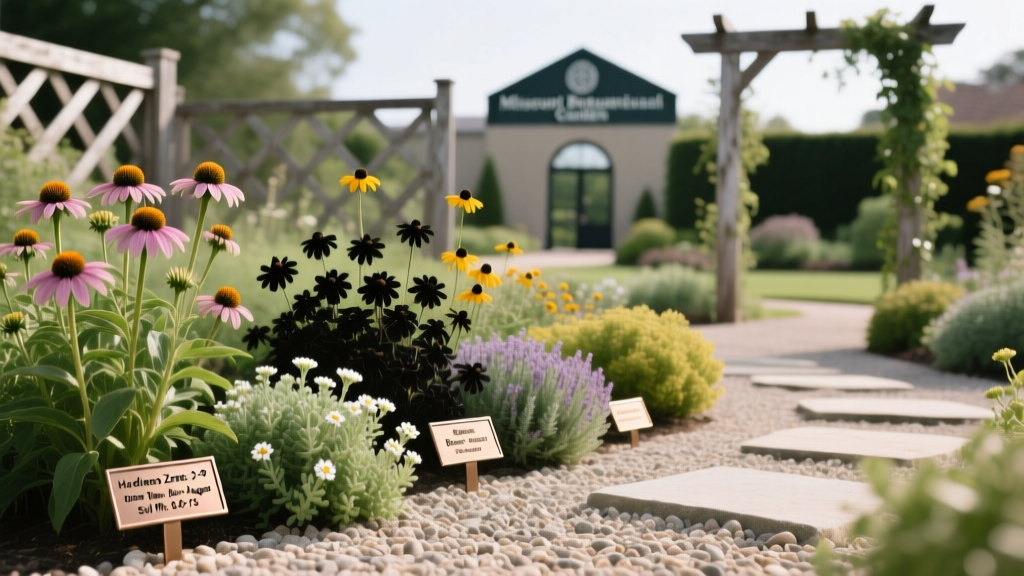
Best Perennial Flowers For Low Maintenance Gardens
Building a Garden That Works With You, Not Against You
A low-maintenance garden doesn’t have to be boring. With the right perennial flowers, you can build a landscape that comes back every year with little fuss — no replanting, less watering, and fewer weeds to pull. It’s mostly about choosing plants that suit your yard: your climate zone, your soil type, and how much sun each spot gets. Match those well, and the plants do most of the work.
Perennials form the core of a lasting ornamental garden. Unlike annuals, which live for just one season, perennials die back in winter and return from their roots each spring. Over time, many spread and fill in open areas, leaving less bare soil for weeds to take hold. The American Horticultural Society (2022) found that gardens built around well-chosen perennials can cut maintenance time by up to 60% compared to beds full of annuals.
This article covers reliable perennials — varieties that have held up over years in home gardens across North America and Europe. Each entry lists hardiness zones, when it blooms, what kind of soil it likes, and notes on spacing and care. Whether your garden sits in a hot, open prairie or under cool, shady trees, there’s a perennial that fits.
Understanding Hardiness Zones and Soil Before You Plant
The USDA Plant Hardiness Zone Map splits North America into 13 zones based on average winter lows, with each zone spanning about 10°F. Most perennial tags list a zone range, and planting within yours is the easiest way to keep things alive long-term. A plant rated for zones 4–9, for example, handles winters as cold as -30°F (zone 4) and summers like those in the mid-South (zone 9).
Soil pH matters too — and it’s easy to overlook. Most flowering perennials grow best in slightly acidic to neutral soil, between pH 6.0 and 7.0. Outside that range, nutrients stay locked up even if they’re present. A basic soil test — often available through county extension offices for under $20 — will tell you your pH and nutrient levels. The Royal Horticultural Society (2021) suggests testing every three to five years and using lime to raise pH or sulfur to lower it.
Drainage is just as important as pH. Perennials left sitting in soggy soil over winter often rot. If your soil is heavy clay, try raising beds by 6 to 8 inches or mixing in coarse grit and compost before planting.
Reading a Plant Tag Correctly
Plant tags squeeze a lot onto a small label. The hardiness zone tells you how cold-tolerant it is; the heat zone rating (from the AHS Heat Zone Map) shows how well it handles summer heat. Mature height and spread tell you how far apart to space them — a plant listed at 24 inches wide needs at least that much room, even if it looks tiny in the pot. Bloom time is usually given by season, so check your local last frost date to figure out when “early spring” really starts where you live.
Amending Soil for Perennial Success
Before planting a new perennial bed, mix 3 to 4 inches of compost into the top 12 inches of soil. That helps clay drain better and gives sandy soil more moisture-holding power. For acid-lovers like astilbe, add peat moss or pine bark fines. For alkaline fans, crushed oyster shell or garden lime can lift pH by 0.5 to 1.0 units per application. Always retest after amending — it’s easy to go too far.
Sun-Loving Perennials That Thrive on Neglect
Full-sun perennials — those needing six or more hours of direct light daily — include some of the toughest, most self-reliant plants around. Once settled in, many go weeks without extra water and still bloom steadily.
Coneflower (Echinacea purpurea) is probably the most adaptable low-maintenance perennial for sunny spots. It’s hardy in zones 3 through 9, blooms from midsummer into early fall, and makes 3- to 4-inch daisy-like flowers in purple, pink, white, and orange. It handles dry, poor soil and a pH between 6.0 and 7.0. The seed heads that follow feed goldfinches and add winter texture. The Chicago Botanic Garden has tested many Echinacea types and consistently ranks the straight species and 'Magnus' among the strongest performers in Midwest gardens.
Black-eyed Susan (Rudbeckia fulgida 'Goldsturm') is another steady performer. Hardy in zones 3 through 9, it puts out golden-yellow flowers with dark centers from July through September. It spreads slowly by rhizomes, filling gaps over three or four seasons without taking over. It prefers a pH of 6.0 to 7.5 and grows 18 to 24 inches tall and wide — perfect for the middle of a border.
Salvia nemorosa (ornamental sage) flowers in late spring and often again in fall if you cut it back after the first round. Hardy in zones 4 through 8, it likes well-drained soil with a pH of 5.5 to 7.0 and holds up well once established. Varieties like 'Caradonna' and 'May Night' have won the Perennial Plant Association’s Plant of the Year award for their reliability.
Spacing and Companion Planting for Sun Beds
In a sunny border, aim for staggered bloom times to keep things looking lively from spring to frost. Try pairing early-blooming salvia with mid-season coneflower and late-season rudbeckia. Space plants according to their mature width — usually 18 to 24 inches for medium-sized perennials — and cover the soil with 2 to 3 inches of shredded bark mulch to hold moisture and block weeds while they settle in. After their first full season, most sun perennials need little more than an annual trim in late winter or early spring.
Shade-Tolerant Perennials for Difficult Spots
Shady areas under trees or along north-facing walls are tricky, but several perennials don’t just survive there — they thrive. These plants evolved in woodland settings where light is soft and the soil stays damp.
Astilbe is the go-to shade perennial, sending up feathery plumes in white, pink, red, and lavender from late spring to midsummer, depending on the variety. Hardy in zones 3 through 8, it needs moist, humus-rich soil with a pH of 6.0 to 6.8 and won’t handle dry spells. Space plants 18 to 24 inches apart; they’ll gradually form dense clumps that crowd out weeds. At the Royal Horticultural Society’s Wisley Garden in Surrey, England, astilbe trials show dividing clumps every four to five years keeps them strong.
Hostas are likely the most common shade perennials in North America. Hardy in zones 3 through 9, they’re grown mostly for bold, textured leaves — green, blue-green, gold, or variegated. They send up flower spikes in summer, but the foliage is the main draw. Hostas like a pH of 6.0 to 7.5 and steady moisture. Slugs are the biggest headache; a ring of diatomaceous earth or copper tape around each plant usually does the trick without chemicals.
Hellebores (Helleborus × hybridus) bloom in late winter or early spring — sometimes while snow is still on the ground — stretching the garden season. Hardy in zones 4 through 9, they prefer partial to full shade and well-drained, humus-rich soil with a pH of 7.0 to 8.0, making them one of the few flowering perennials that actually like slightly alkaline soil. Once settled, hellebores handle drought well and last decades — some plants live 20 years or more with almost no care.
Perennial Performance at a Glance
| Plant | Hardiness Zones | Bloom Time | Soil pH | Light | Drought Tolerance |
|---|---|---|---|---|---|
| Echinacea purpurea | 3–9 | Midsummer–early fall | 6.0–7.0 | Full sun | High |
| Rudbeckia fulgida 'Goldsturm' | 3–9 | July–September | 6.0–7.5 | Full sun | Moderate–High |
| Salvia nemorosa | 4–8 | Late spring, rebloom fall | 5.5–7.0 | Full sun | High |
| Astilbe spp. | 3–8 | Late spring–midsummer | 6.0–6.8 | Part–full shade | Low |
| Hosta spp. | 3–9 | Summer (foliage primary) | 6.0–7.5 | Part–full shade | Moderate |
| Helleborus × hybridus | 4–9 | Late winter–early spring | 7.0–8.0 | Part–full shade | High (once established) |
| Penstemon digitalis | 3–8 | Late spring–early summer | 6.0–7.0 | Full sun–part shade | High |
Designing for Year-Round Structure and Interest
A good perennial garden doesn’t go quiet in winter — it changes pace. Seed heads, dried stems, and ornamental grasses carry visual interest through the colder months. When picking perennials, think beyond bloom time. Echinacea seed heads stick around all winter and feed birds. Dried plumes of fountain grass (Pennisetum alopecuroides, zones 5–9) catch frost and morning light. Hellebore leaves often stay semi-evergreen in mild winters.
Layering heights adds depth and helps suppress weeds. A simple three-tier layout puts short plants (under 12 inches) at the front, medium ones (12 to 36 inches) in the middle, and tall ones (over 36 inches) at the back. For island beds seen from all sides, place the tallest plants in the center and step down toward the edges.
"The most sustainable garden is one designed around the plants that want to grow there. Work with your soil, your climate, and your light — not against them. A plant in the right place rarely needs rescuing."
— Missouri Botanical Garden, Plant Science and Conservation Division, 2023
Mulching is the easiest way to cut down on garden work. A 2- to 3-inch layer of organic mulch — shredded leaves, wood chips, or pine bark — laid in late fall or early spring blocks weeds, evens out soil temperature, and cuts water loss. As it breaks down, it also improves soil texture. Just keep mulch away from plant crowns to avoid rot.
Practical Planting and Establishment Tips
Spring or early fall is usually the best time to plant most perennials — temperatures are mild and rain is more likely. Fall planting lets roots settle in before winter dormancy, often leading to stronger growth the first year than spring planting. Water new plants deeply — down to 6 to 8 inches — right after planting, then once a week for the first four to six weeks until roots take hold.
Most low-maintenance perennials don’t need much fertilizer. A single dose of balanced slow-release granular fertilizer (like 10-10-10) in early spring, as new growth appears, is enough for most. Skip high-nitrogen formulas — they push leafy growth at the cost of flowers and can leave plants more open to pests and disease.
- Divide clump-forming perennials like hostas, astilbe, and rudbeckia every three to five years to keep them flowering well and prevent overcrowding.
- Deadhead spent blooms on salvia and coneflower if you want more flowers, or leave them for birds and bees.
- Cut most perennials back to 3 to 4 inches tall in late fall or early spring — either timing works fine for most.
- Leave hollow-stemmed plants like rudbeckia and echinacea standing through winter — native bees use them for nesting.
- Mark late-emerging perennials like hostas and balloon flower with a small stake so you don’t accidentally dig into them in early spring.
Pests and diseases rarely bother perennials planted in the right spot. Powdery mildew can show up on phlox and bee balm in humid summers, but mildew-resistant varieties solve most of that. Aphids sometimes hit new growth in spring but usually disappear in a couple of weeks as ladybugs and lacewings move in. The bottom line: a stressed plant — one stuck in the wrong light, soil, or moisture — is far more likely to struggle than one growing where it naturally belongs.
- Start with a soil test to see your baseline pH and nutrient levels before buying any plants.
- Pick plants rated for at least one zone colder than yours — it gives you a little insurance against harsh winters.
- Group plants with similar water needs together — it simplifies watering and keeps drought-tolerant types from getting too much.
- For every three plants chosen for their flowers, add at least one with winter interest — seed heads, evergreen leaves, or strong shape.
- Keep a simple garden journal noting what bloomed when, what struggled, and what thrived — it’s the best reference you’ll have when expanding or redesigning.
Putting time into planning and planting pays off for years. A perennial bed started with the right plants in the right conditions gets easier to manage as the plants mature, spread, and settle into a stable community. That’s the real appeal of perennial gardening — not a garden that asks for nothing, but one that gives back more than it takes.
