Tree Care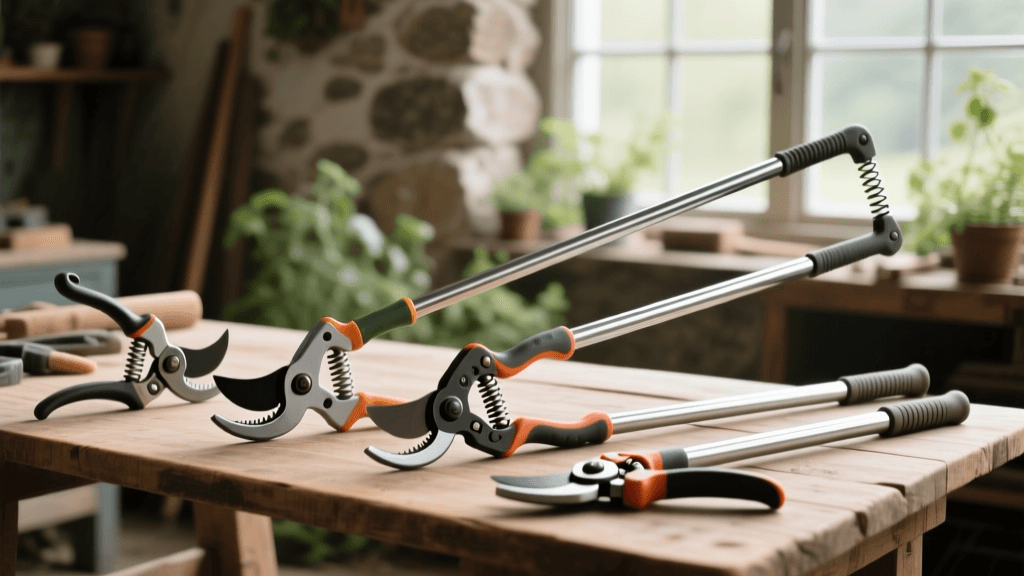
Review: Best Pole Pruners and Loppers for Tree Care
Why Tool Selection Matters for Tree Health
When it comes to maintaining the health, structure, and aesthetic appeal of your landscape trees, the tools you use are just as critical as your pruning technique. According to the USDA Forest Service, improper pruning cuts and the use of dull or inappropriate tools can create ragged wounds that fail to compartmentalize properly. These open wounds become prime entry points for wood-decay fungi and destructive insect pests. Investing in high-quality pole pruners and loppers ensures clean, precise cuts that promote rapid healing and protect the long-term vitality of your trees.
Furthermore, ergonomic and well-balanced tools reduce user fatigue, allowing you to maintain proper form and safety protocols throughout your pruning session. Whether you are managing a young ornamental tree or maintaining the lower canopy of a mature shade tree, selecting the right equipment is paramount.
Top 3 Pole Pruners for High Canopy Reach
Pole pruners are essential for removing deadwood, managing canopy density, and clearing overhead hazards without the need for a ladder. Here are our top reviews based on cutting power, reach, and durability.
1. Fiskars 14 Foot Power-Lever Pole Pruner
Best For: Homeowners seeking an affordable, lightweight option for occasional pruning.
Max Cut Diameter: 1.5 inches (bypass blade) and 2.5 inches (saw attachment).
Estimated Cost: $55 - $65
Review: The Fiskars Power-Lever utilizes a compound action pulley system that multiplies cutting force by up to two times. The 14-foot fiberglass pole is relatively lightweight, reducing arm strain during extended use. The bypass blade is made of hardened steel, though it requires regular sharpening to maintain peak performance. While the pole is not telescopic, its fixed length provides excellent rigidity when applying downward pressure on stubborn branches.
2. Corona TP 3204 eReach Compound Action Pruner
Best For: Serious DIYers who need adjustable reach and heavy-duty cutting capacity.
Max Cut Diameter: 1.25 inches.
Estimated Cost: $70 - $85
Review: Corona's eReach system allows the pole to adjust from 6 to 14 feet, making it versatile for both lower limbs and high canopy work. The dual-pulley compound action system requires less pulling force than standard pruners. The Teflon-coated blade resists sap buildup, a common issue that can jam lesser tools. However, the adjustable pole sections can occasionally slip if the locking collars are not tightened securely before making a cut.
3. Silky Hayauchi Professional Telescoping Pole Saw
Best For: Professional arborists and dedicated enthusiasts dealing with thick, stubborn limbs.
Max Cut Diameter: Up to 6 inches (using the saw blade).
Estimated Cost: $180 - $220
Review: Silky is renowned for its Japanese pull-saw technology, and the Hayauchi is a masterpiece of canopy management. While it is technically a pole saw rather than a clipper-style pruner, its impulse-hardened teeth slice through live wood like butter. The three-section aluminum pole extends up to 20 feet and features rubberized grips for superior shock absorption. It is significantly more expensive than standard pruners, but the time and energy saved on thick branches make it an invaluable investment.
Top 3 Heavy-Duty Loppers for Lower Branches
For branches that are within arm's reach but too thick for hand pruners (typically between 0.75 and 2.5 inches in diameter), heavy-duty loppers are the tool of choice.
1. Fiskars 28" PowerGear2 Bypass Lopper
Best For: General-purpose pruning of live, green wood.
Max Cut Diameter: 2 inches.
Estimated Cost: $40 - $50
Review: The patented PowerGear2 gear mechanism increases leverage by three times compared to traditional loppers. The 28-inch steel handles provide excellent reach while keeping the overall weight manageable. The fully hardened, precision-ground steel blade stays sharp through hundreds of cuts. It is an outstanding value for the everyday gardener.
2. Corona FL 3420 Forged Compound Action Anvil Lopper
Best For: Clearing out dead, dry, and hardened wood.
Max Cut Diameter: 2.5 inches.
Estimated Cost: $55 - $65
Review: Anvil loppers feature a single straight blade that closes against a flat lower jaw, providing immense crushing power ideal for deadwood. The Corona FL 3420 features 32-inch fiberglass handles that absorb shock and prevent splintering. The compound action pivots distribute force evenly, reducing wrist strain. Keep in mind that anvil blades can crush live tissue, so reserve this tool strictly for dead or dying branches.
3. Felco 200 Straight Cutting Lopper
Best For: Precision cuts on fruit trees and delicate ornamentals.
Max Cut Diameter: 1.4 inches.
Estimated Cost: $110 - $130
Review: Felco is the gold standard in horticultural tools. The Felco 200 features hardened steel blades, sap grooves to prevent sticking, and shock-absorbing rubber buffers. Every single component of this lopper is replaceable, meaning it is truly a buy-it-for-life tool. While the cutting capacity is lower than heavy-duty models, the sheer precision and ergonomics make it perfect for detailed structural pruning.
Comparison Chart: Pole Pruners vs. Loppers
To help you decide which tool fits your current landscape needs, review the structured comparison below:
| Tool Category | Top Pick | Best Application | Max Cut Diameter | Average Cost |
|---|---|---|---|---|
| Fixed Pole Pruner | Fiskars Power-Lever | Occasional high-canopy deadwooding | 1.5 inches | $60 |
| Telescoping Pruner | Corona eReach | Variable height pruning | 1.25 inches | $75 |
| Professional Pole Saw | Silky Hayauchi | Thick limbs and heavy canopy reduction | 6.0 inches | $200 |
| Bypass Lopper | Fiskars PowerGear2 | Live, green branches up to chest height | 2.0 inches | $45 |
| Anvil Lopper | Corona FL 3420 | Thick, dead, or dried-out wood | 2.5 inches | $60 |
| Precision Lopper | Felco 200 | Fruit trees and delicate ornamentals | 1.4 inches | $120 |
How to Prune Safely and Effectively
Owning the right tools is only half the battle; applying proper technique is what ensures tree health and personal safety.
The Three-Cut Method for Heavy Limbs
When using a pole saw or heavy-duty loppers on branches larger than 1.5 inches in diameter, never attempt to cut through the branch in a single pass. The weight of the falling wood will strip the bark down the trunk, causing catastrophic damage. Instead, use the three-cut method recommended by university extensions:
- Cut 1 (The Undercut): Make a shallow cut on the underside of the branch, about 6 to 12 inches away from the trunk. This severs the bark and prevents tearing.
- Cut 2 (The Top Cut): Move an inch or two further out on the branch and cut completely through from the top. The branch will fall cleanly without stripping the trunk.
- Cut 3 (The Collar Cut): Locate the branch collar—the swollen area where the branch meets the trunk. Make your final cut just outside this collar. Never cut flush against the trunk, as this removes the tree's natural chemical defense zone.
Sanitation: Preventing Disease Spread
The Cornell University Cooperative Extension strongly emphasizes the importance of tool sanitation. Pruning tools can easily transmit bacterial and fungal pathogens, such as Fire Blight or Oak Wilt, from tree to tree. After working on a diseased tree, or when moving between different species, wipe your lopper and pruner blades with a cloth soaked in 70% isopropyl alcohol or a 10% bleach solution. Allow the blades to air dry completely before making the next cut to prevent chemical damage to the cambium layer.
Timing Your Pruning
For most deciduous shade trees, the optimal time to prune is during the dormant season (late winter to early spring). Pruning while the tree is dormant minimizes sap loss, reduces the risk of insect infestation, and allows the tree to rapidly compartmentalize wounds once the spring growth flush begins. Avoid heavy pruning in late summer, as this can stimulate tender new growth that will be killed by early autumn frosts.
Tool Maintenance for Longevity
High-quality pruning tools are an investment. To ensure your loppers and pole pruners last for decades, follow this simple maintenance routine after every use:
- Clean the Blades: Wipe away sap, dirt, and wood residue using a wire brush or a rag dampened with mineral spirits.
- Lubricate Moving Parts: Apply a few drops of lightweight machine oil or specialized tool oil to the pivot points and pulley systems. This prevents rust and ensures smooth compound action.
- Sharpen Regularly: Use a flat file or diamond sharpening stone to maintain the bevel on bypass blades. Only sharpen the angled side of the blade, never the flat back, to maintain a tight cutting seal.
- Store Properly: Keep tools in a dry, climate-controlled environment. Hang pole pruners horizontally on wall hooks to prevent the fiberglass or aluminum poles from warping over time.
Expert Tip: Never use your bypass loppers to cut wire, fencing, or rocks hidden in the brush. A single nick on the hardened steel edge can cause the blades to bind and twist, permanently ruining the tool's alignment.
By selecting the appropriate pole pruners and loppers for your specific landscape requirements and adhering to proper arboricultural techniques, you will foster a safer, healthier, and more beautiful canopy for years to come.