Tree Care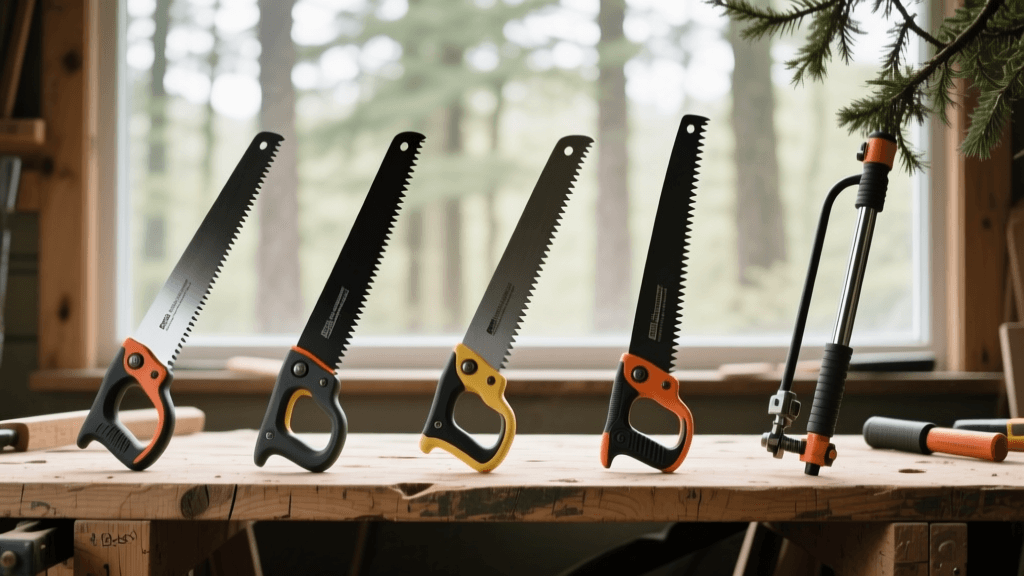
Best Pole Pruning Saws for High Canopy Tree Care Reviews
Maintaining the health and structural integrity of mature trees requires regular pruning, especially in the upper canopy where deadwood, diseased branches, and storm hazards lurk. While hand pruners and loppers are excellent for lower limbs, reaching branches 12 to 20 feet in the air demands specialized equipment. A high-quality pole pruning saw is an essential investment for any serious homeowner or arborist. In this comprehensive guide, we review and compare the best pole pruning saws on the market, evaluating their reach, blade sharpness, weight, and overall durability to help you make an informed decision.
Why a Quality Pole Pruning Saw Matters
Pruning high canopy branches is not just about aesthetics; it is a critical component of tree health assessment and storm damage management. Dead or crossing branches in the upper canopy can block sunlight and air circulation, creating a breeding ground for fungal diseases and pests. Furthermore, removing these hazardous limbs before storm season prevents catastrophic property damage. However, using a dull, heavy, or poorly balanced pole saw can lead to ragged cuts that invite decay, or worse, cause severe user fatigue and accidents. The right tool combines a razor-sharp blade with a lightweight, rigid pole, allowing you to make clean, precise cuts at the branch collar without straining your back or shoulders.
Top Pole Pruning Saws Compared
Before diving into the detailed reviews, here is a quick comparison chart of our top-rated pole saws for high canopy tree care.
| Product | Max Reach | Blade Length | Weight | Price Range |
|---|---|---|---|---|
| Silky Hayauchi 2-Stage | 20 ft | 15.7 in | 6.8 lbs | $$$ |
| Corona TP 6870 RazorTOOTH | 14 ft | 8.0 in | 3.2 lbs | $ |
| Fiskars Extendable Pole Saw | 12 ft | 15.0 in | 5.1 lbs | $$ |
| Jameson FG-6CC-2 Foam Grip | 18 ft | 13.0 in | 4.5 lbs | $$$ |
In-Depth Product Reviews
1. Silky Hayauchi 2-Stage Telescoping Pole Saw (Best Overall)
The Silky Hayauchi is widely regarded as the gold standard among professional arborists and dedicated tree care enthusiasts. It features a 15.7-inch blade equipped with Silky's signature 4-edge impulse-hardened teeth, which stay sharp up to three times longer than conventional steel. The blade's non-stick coating reduces friction, allowing it to glide through thick, green oak and maple branches with minimal effort. The two-stage telescoping aluminum oval pole extends up to 20 feet, providing an impressive overhead reach of nearly 24 feet for an average-height user. While the 6.8-pound weight might seem heavy on paper, the oval pole design prevents twisting in your hands, offering superior leverage and control when fully extended. The primary drawback is the premium price tag, but for those who demand uncompromising performance and longevity, the Hayauchi is unmatched.
2. Corona TP 6870 RazorTOOTH Dual-Purpose Pole Saw (Best Value)
For homeowners who only need to perform seasonal pruning on a few medium-sized trees, the Corona TP 6870 offers exceptional value. It features an 8-inch RazorTOOTH blade made from SK5 high-carbon steel, which aggressively bites into deadwood and smaller live branches up to 3 inches in diameter. The fiberglass pole extends to 14 feet and is remarkably lightweight at just 3.2 pounds, making it highly maneuverable and easy on the joints during extended use. The dual-purpose design allows you to detach the blade and use it as a traditional hand saw for ground-level work. However, the shorter blade and lower teeth-per-inch (TPI) count mean it will struggle with branches thicker than 4 inches, and the fiberglass pole can exhibit slight flexing at maximum extension.
3. Fiskars 7.9-12 Foot Extendable Pole Saw & Pruner (Best Combo)
The Fiskars Extendable Pole Saw is a versatile hybrid tool designed for users who want to tackle both thick branches and delicate twigs without swapping tools. It features a 15-inch precision-ground steel blade for sawing, alongside an integrated bypass pruner head operated by a pulley system at the base of the pole. This makes it incredibly efficient for clearing out dense, leafy canopies where you need to snip 1-inch green shoots and saw through 4-inch structural limbs in the same session. The aluminum pole extends from 7.9 to 12 feet. While the pulley system is a fantastic addition, it adds complexity and weight (5.1 lbs), and the rope mechanism can occasionally tangle if not maintained properly.
4. Jameson FG-6CC-2 Foam Grip Pole Saw Kit (Best Professional Grade)
Jameson is a staple in the commercial arboriculture industry, and the FG-6CC-2 kit proves why. This system uses hollow-core fiberglass poles that interlock securely, allowing you to customize your reach by adding or removing 6-foot sections, maxing out at an 18-foot pole length (over 20 feet of total reach). The 13-inch tri-cut blade is aggressively angled to pull the saw into the wood on the pull stroke, reducing user fatigue. The foam grips provide excellent insulation and comfort, even in wet conditions. Because the poles are sold in modular sections, the initial investment is high, and the interlocking joints require occasional cleaning to prevent them from seizing up with tree sap and dust.
Buying Guide: What to Look For
Blade Material and Teeth Per Inch (TPI)
The blade is the heart of any pruning saw. High-carbon steel (like SK5) is the industry standard because it holds a sharp edge and is easy to resharpen. Look for impulse-hardened teeth, a heat-treatment process that significantly extends the life of the cutting edge. TPI is equally important: a lower TPI (7-9) is ideal for fast, aggressive cutting of thick, dry deadwood, while a higher TPI (10-14) provides smoother, cleaner cuts on live, green branches, which is crucial for rapid wound compartmentalization in the tree.
Pole Material and Weight
When working overhead, every ounce matters. Aluminum poles are lightweight and rigid but can conduct electricity, making them dangerous near power lines. Fiberglass poles are heavier but offer superior electrical insulation and dampen vibrations. Wood poles are traditional and offer great shock absorption but are heavy and prone to warping or splintering over time. Always prioritize a pole with an oval or ribbed cross-section, as round poles tend to twist in your grip when the blade binds in a heavy cut.
Reach vs. Leverage
It is tempting to buy the longest pole saw available, but physics is unforgiving. A 20-foot pole saw extended to its maximum length creates a massive lever arm, making a 5-pound blade feel like 20 pounds at the grip. Only purchase a pole with a reach that matches the actual height of your trees. For most residential shade trees, a 12 to 14-foot pole provides the perfect balance of reach and manageable leverage.
Expert Pruning Techniques and Safety
Having the right tool is only half the battle; proper technique is essential to protect the tree's health. When removing heavy canopy branches, never attempt to cut through the entire limb in one pass, as the weight of the branch will cause it to snap and tear the bark down the trunk, creating a massive wound.
According to the International Society of Arboriculture (ISA), improper pruning cuts can lead to severe decay and structural failure. The ISA mandates the 'three-cut method' for heavy limbs: First, make an undercut about a foot away from the trunk to stop bark tearing. Second, make a top cut slightly further out to remove the bulk of the branch's weight. Finally, make a precise finishing cut just outside the branch collar to allow the tree to heal properly.
Safety is paramount when using pole saws. Always wear ANSI-approved safety glasses, a hard hat, and cut-resistant gloves. Never prune near electrical lines, and always be aware of your footing, as looking up can easily lead to tripping over exposed roots or uneven terrain.
Tool Maintenance and Disease Prevention
Tree diseases such as Oak Wilt, Fire Blight, and Dutch Elm Disease can be easily transmitted from tree to tree via contaminated pruning tools. After every cut on a diseased tree, or when moving between different species, you must sanitize your blade.
- Sanitization: Penn State Extension recommends wiping the blade with 70% isopropyl alcohol or a 10% bleach solution to kill fungal spores and bacteria.
- Sap Removal: Tree sap acts like glue and will ruin the sliding action of your saw. Use a wire brush and a solvent like WD-40 to clean the teeth after every use.
- Lubrication: Apply a light coat of camellia oil or mineral oil to the blade before storing it in a dry place to prevent rust, especially on high-carbon steel blades.
Conclusion
Investing in a high-quality pole pruning saw transforms canopy management from a back-breaking chore into a precise, rewarding aspect of your seasonal tree care schedule. For professionals and dedicated enthusiasts, the Silky Hayauchi offers unparalleled cutting power and reach. Budget-conscious homeowners will find the Corona TP 6870 more than adequate for routine deadwooding, while the Fiskars combo tool is perfect for detailed, multi-task pruning. By pairing the right equipment with ISA-approved pruning techniques and strict tool sanitation, you will ensure your trees remain healthy, safe, and beautiful for decades to come.