Gardening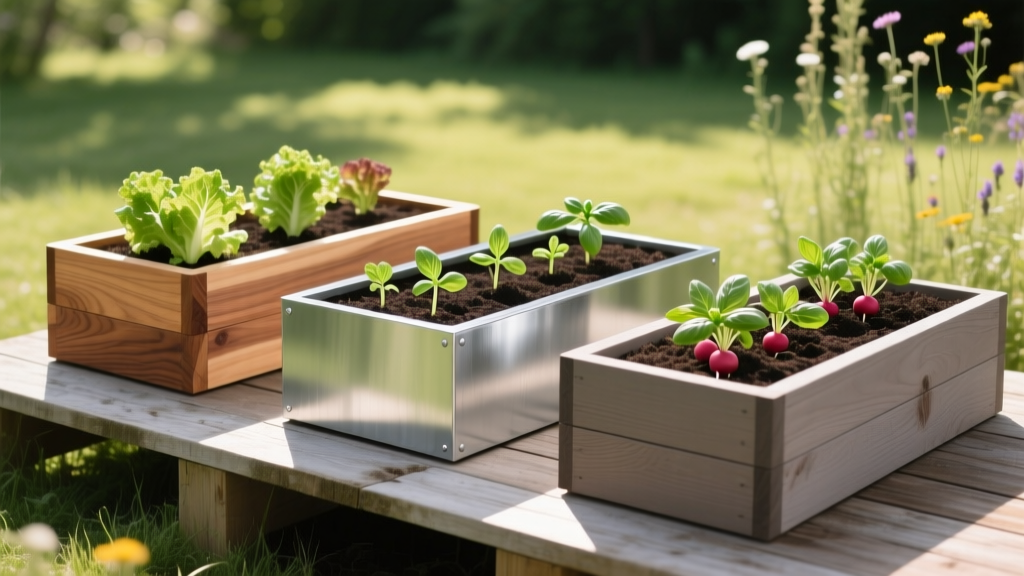
Best Raised Garden Bed Kits: Wood vs Metal vs Composite
Emily WatsonPublished
Why Material Choice Matters for Raised Beds
When planning a vegetable or flower garden, raised beds offer superior drainage, better soil structure, and reduced weed pressure. However, the material you choose for your raised bed kits will dictate the lifespan of your garden, the safety of your soil, and the overall aesthetic of your landscape. In this comprehensive product review and comparison, we evaluate the three most popular raised bed materials on the market: natural cedar wood, galvanized steel, and recycled composite. Whether you are installing a single 4x4 herb garden or a sprawling backyard market garden, understanding the nuances of these materials is critical for long-term success.
Cedar Wood Raised Bed Kits: The Traditional Favorite
Western Red Cedar has long been the gold standard for wooden garden beds. Unlike pressure-treated pine, which historically contained arsenic and copper compounds that gardeners feared might leach into edible crops, cedar relies on natural tannins and oils to resist rot, decay, and insect damage.
Top Pick: Gardener's Supply Company Cedar Raised Beds
Gardener's Supply Company offers premium, untreated cedar kits that feature mortise-and-tenon joinery or heavy-duty aluminum corner brackets. A standard 4x8 foot kit (11 inches deep) typically retails between $250 and $350.
- Pros: Beautiful natural aesthetic that weathers to a silvery-gray; excellent insulation for plant roots; completely safe for organic food production; biodegradable at the end of its life.
- Cons: Higher upfront cost; lifespan is limited to 10-15 years depending on ground moisture; requires occasional sealing with raw linseed oil to maintain color.
According to the Penn State Extension, untreated cedar and redwood are the safest and most reliable wood choices for edible gardens, as they eliminate any risk of chemical leaching into your root zones.
Galvanized Steel Raised Beds: The Modern Workhorse
Galvanized metal raised beds have exploded in popularity over the last five years. These beds are typically made from corrugated steel sheets coated in a zinc-aluminum alloy (often referred to as Galvalume) to prevent rust. They offer a sleek, modern, or rustic farm-style look and are incredibly durable.
Top Pick: Vego Garden Modular Metal Raised Beds
Vego Garden has dominated the metal bed market with its modular, bolt-together kits. Their standard 17-inch tall beds are ergonomically friendly, reducing back strain during planting and harvesting. A 4x8 foot modular kit generally costs between $150 and $200, making it highly competitive with wood.
- Pros: Exceptional lifespan (20-30+ years); pest-proof (voles and gophers cannot chew through); modular designs allow for unique shapes (L-shapes, hexagons); lightweight panels are easy to transport.
- Cons: Metal conducts heat, which can dry out soil faster in extreme summer climates; acidic soils can eventually degrade the zinc coating from the inside out.
A common concern among gardeners is zinc leaching. However, the Clemson University Home & Garden Information Center notes that zinc is actually an essential plant micronutrient, and the minimal amounts that might leach from galvanized steel are generally not a threat to human health or plant toxicity, provided your soil pH is kept neutral (above 6.0).
Composite Raised Beds: The Low-Maintenance Alternative
Composite beds are manufactured from a blend of recycled plastics and wood fibers. They are designed to mimic the look of wood without the susceptibility to rot, splintering, or insect damage. They are an eco-friendly choice that diverts waste from landfills.
Top Pick: Frame It All Classic Composite Raised Beds
Frame It All utilizes a snap-together bracket system that makes assembly virtually tool-free. Their composite boards are hollow or solid-profile extrusions that lock into corner joints. A 4x8 foot kit (12 inches deep) usually ranges from $200 to $300.
- Pros: Zero maintenance (no staining or sealing required); will not rot, warp, or splinter; UV-resistant; highly customizable and expandable.
- Cons: Can bow outward if not properly braced in longer spans; lacks the structural rigidity of thick wood or metal; dark colors can absorb excessive heat in full-sun southern exposures.
Head-to-Head Comparison Chart
| Feature | Cedar Wood | Galvanized Steel | Composite |
|---|---|---|---|
| Estimated Lifespan | 10 - 15 Years | 20 - 30+ Years | 15 - 25 Years |
| Average Cost (4x8 ft) | $250 - $350 | $150 - $200 | $200 - $300 |
| Assembly Time | 45 - 60 Minutes | 30 - 45 Minutes | 20 - 30 Minutes |
| Heat Retention | Moderate (Insulating) | High (Conductive) | Moderate to High |
| Structural Rigidity | High | Very High | Moderate (May bow) |
Climate Considerations and Soil Temperature
Your local climate should heavily influence your material choice. In cooler, northern hardiness zones (Zones 3-5), galvanized steel can be a massive advantage in the early spring. The metal absorbs solar radiation and warms the soil weeks before the ambient air temperature rises, allowing for earlier planting of cold-hardy crops like spinach, radishes, and peas.
Conversely, in hot, arid climates (Zones 8-10), metal beds can become a liability during peak summer. The conductive nature of steel can literally cook the roots of plants touching the edges. If you choose metal in a hot climate, you must line the interior walls with landscape fabric or rigid foam insulation and rely heavily on drip irrigation to maintain soil moisture. Cedar and composite offer better thermal mass and insulation, protecting delicate root systems from extreme temperature fluctuations.
Best Practices for Filling Your New Raised Bed
Regardless of the kit you purchase, the success of your garden hinges on the soil you use to fill it. Never fill a raised bed with native topsoil or garden dirt; it will compact into a concrete-like block, suffocating plant roots and negating the primary benefit of raised beds—superior drainage.
The Ideal Soil Mix
The Old Farmer's Almanac recommends a variation of the famous "Mel's Mix" for raised beds. For a standard 4x8 foot bed that is 12 inches deep, you will need approximately 32 cubic feet of soil. The ideal ratio is:
- 1/3 Coarse Vermiculite or Perlite: For aeration and moisture retention.
- 1/3 Peat Moss or Coconut Coir: To provide a light, fluffy texture that holds water.
- 1/3 Blended Compost: The nutritional powerhouse. Use a mix of at least three different types of compost (e.g., mushroom, cow manure, and homemade leaf mold) to ensure a broad spectrum of micronutrients.
Layering Techniques for Deep Beds
If you have purchased a tall 17-inch or 24-inch metal bed, filling it entirely with premium soil mix can cost hundreds of dollars. Instead, utilize the "Hugelkultur" or bulk-fill method for the bottom 30% of the bed. Layer down carbon-rich materials like untreated logs, branches, dried leaves, and grass clippings. This organic matter will slowly break down over the years, feeding the soil from the bottom up, retaining deep moisture, and saving you significant money on soil amendments.
Final Verdict: Which Kit Should You Buy?
If you are a traditionalist who values natural aesthetics, organic purity, and excellent soil insulation, Cedar Wood Kits remain the undisputed champion. They are best suited for gardeners who don't mind replacing their beds every decade or two and enjoy the rustic charm of weathering wood.
If you want a "buy it once" solution that offers modern ergonomics, extreme durability, and early-spring soil warming, Galvanized Steel Kits like those from Vego Garden are the best value on the market today. They are highly recommended for gardeners dealing with heavy clay soils or persistent burrowing pests.
Finally, if you prioritize rapid, tool-free assembly, zero maintenance, and eco-friendly recycled materials, Composite Kits offer a fantastic middle ground. Just be sure to choose shorter spans or models with cross-braces to prevent the walls from bowing under the immense weight of wet soil.
By matching the right raised bed material to your specific climate, budget, and physical needs, you can create a thriving, high-yield garden that will serve you beautifully for seasons to come.
