Lawn Care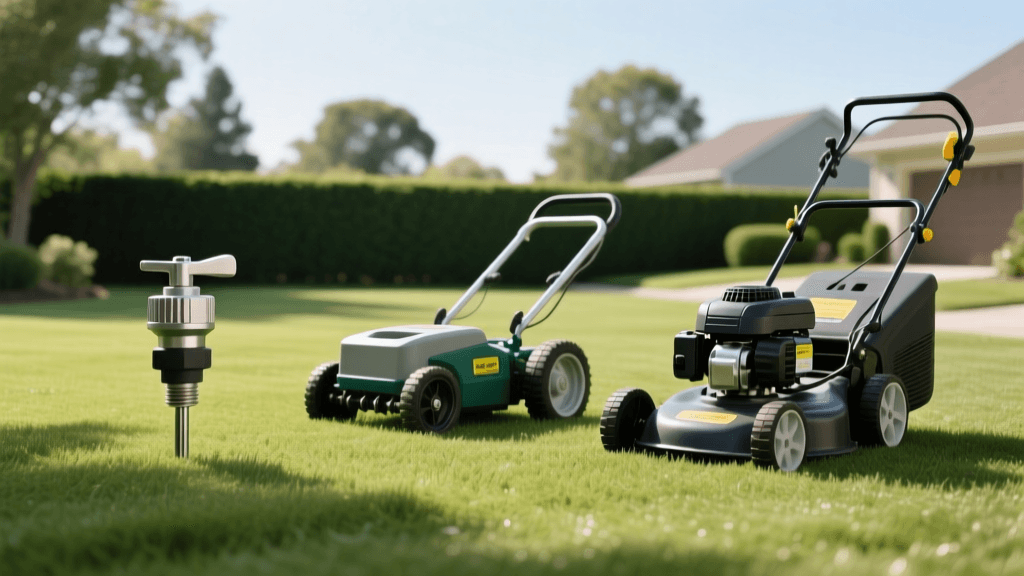
Best Core Aerators Reviewed: Manual vs. Tow-Behind vs Gas
The Silent Lawn Killer: Soil Compaction
If your lawn is thinning, puddling after rain, or struggling to absorb fertilizer, you are likely dealing with soil compaction. Over time, foot traffic, mowing, and heavy rains compress the soil particles, squeezing out the oxygen and water that turfgrass roots desperately need. The most effective, scientifically backed solution to this problem is core aeration.
According to Penn State Extension, core aeration is the process of mechanically removing small plugs of thatch and soil from the lawn to improve natural soil aeration. The university's turfgrass specialists emphasize that removing plugs 2 to 3 inches deep and 0.5 to 0.75 inches in diameter is the gold standard for relieving compaction and promoting deep root growth.
'Core aeration reduces soil compaction, enhances thatch breakdown, and improves water and nutrient infiltration. For best results, hollow tines must penetrate at least 2 to 3 inches into the soil profile.' - Penn State Extension, Department of Plant Science
Core Aeration vs. Spike Aeration: Why Hollow Tines Win
Before diving into our product reviews, it is crucial to distinguish between core (plug) aerators and spike aerators. Spike aerators simply punch holes into the ground. While this might seem helpful, it actually exacerbates compaction by pushing soil outward and downward, further compacting the sides of the hole. Core aerators, on the other hand, use hollow tines to physically extract soil plugs, creating permanent voids that allow the surrounding soil to expand and relax. For this review, we are exclusively focusing on true core aerators.
Top 3 Core Aerators for Residential Lawns
Whether you have a small urban lot or a sprawling suburban estate, we have tested and compared the best manual, tow-behind, and walk-behind gas aerators on the market.
1. Best Manual Core Aerator: Yard Butler Lawn Coring Aerator
For homeowners with small lawns (under 2,000 square feet) or localized compacted areas (like high-traffic pathways or play areas), the Yard Butler Lawn Coring Aerator is an unbeatable, budget-friendly tool. Priced around $35, this manual, foot-operated tool removes two 3.5-inch core plugs at a time.
Specifications:
- Type: Manual / Foot-Operated
- Tine Count: 2 Hollow Core Tines
- Plug Depth: Up to 3.5 inches
- Weight: 6.5 lbs
- Estimated Cost: $35 - $45
Pros: Incredibly affordable, requires no gas or maintenance, lightweight, and provides excellent depth control. The 38-inch handle saves your back compared to shorter hand-held models.
Cons: Physically demanding. Aerating a 5,000 square foot lawn with this tool will take hours and leave you exhausted. The tines can occasionally clog with heavy, wet clay.
Verdict: The ultimate tool for spot treatments, small urban yards, and garden beds. Not recommended for large properties.
2. Best Tow-Behind Aerator: Agri-Fab 40-Inch Plug Aerator
If you own a riding mower or an ATV and have a medium-to-large lawn (5,000 to 20,000 square feet), the Agri-Fab 40-Inch Tow-Behind Plug Aerator is the most cost-effective way to achieve professional results. Retailing for approximately $150 to $180, this unit features 24 galvanized steel coring tines and a universal hitch.
Specifications:
- Type: Tow-Behind (ATV / Riding Mower)
- Tine Count: 24 Galvanized Hollow Tines
- Plug Depth: Up to 3 inches
- Weight Tray Capacity: Up to 150 lbs
- Estimated Cost: $150 - $180
Pros: Covers massive amounts of ground quickly. The weight tray allows you to add cinder blocks or bagged topsoil to force the tines into hard, dry clay. Galvanized tines resist rust.
Cons: Requires a hitch and a towing vehicle. Making tight turns while the tines are in the ground will tear up your turf, so you must raise the engagement lever or plan wide turns. Assembly takes about an hour.
Verdict: The best value for rural properties and large suburban lawns where you already own a riding tractor.
3. Best Walk-Behind Gas Aerator: Billy Goat AET18H
For lawn care enthusiasts, landscapers, or homeowners with heavily compacted clay soils who demand commercial-grade performance, the Billy Goat AET18H is a beast. This self-propelled, walk-behind gas aerator costs upwards of $1,500, but it delivers flawless, deep plugs without requiring a tractor.
Specifications:
- Type: Walk-Behind / Self-Propelled Gas
- Engine: Honda GC190 (187cc)
- Tine Count: 8 Coring Heads (Multiple tines per head)
- Clearing Path: 18 inches
- Estimated Cost: $1,500 - $1,800
Pros: Self-propelled drive makes it effortless to push. The vibrating tines easily punch through severe clay compaction and rocky soils. Leaves perfectly spaced, deep plugs. Highly durable commercial construction.
Cons: Very expensive. Heavy (over 250 lbs), making it difficult to transport in a standard vehicle or lift into a truck bed without a ramp. Requires annual engine maintenance (oil, spark plug, air filter).
Verdict: A premium investment for large properties with severe compaction, or for those who plan to start a side-business aerating neighbors' lawns to offset the cost.
Head-to-Head Comparison Chart
| Feature | Yard Butler (Manual) | Agri-Fab 40-Inch (Tow) | Billy Goat AET18H (Gas) |
|---|---|---|---|
| Best For | Small yards / Spot treatment | Large yards with riding mowers | Severe clay / Commercial use |
| Price Range | $35 - $45 | $150 - $180 | $1,500 - $1,800 |
| Power Source | Human / Foot Power | Towing Vehicle | Honda Gas Engine |
| Plug Depth | Up to 3.5 inches | Up to 3 inches | Up to 3.25 inches |
| Ease of Use | Moderate (Physically taxing) | Easy (Once assembled) | Very Easy (Self-propelled) |
| Maintenance | None (Rinse off dirt) | Grease tines, check bolts | Full engine maintenance |
When and How to Aerate Your Lawn
Owning the right equipment is only half the battle. Timing and preparation are critical for successful aeration and overseeding.
Timing Your Aeration
The University of Minnesota Extension recommends aerating cool-season grasses (like Kentucky Bluegrass, Fescue, and Ryegrass) in late summer to early fall, typically between August and October. This coincides with their peak root growth period and allows the grass to recover before winter. For warm-season grasses (like Bermuda, Zoysia, and Centipede), aerate in late spring to early summer when they are actively growing and can quickly fill in the open spaces.
Step-by-Step Aeration Guide
- Water Deeply: One to two days before aerating, apply about 1 inch of water to your lawn. Moist soil allows the hollow tines to penetrate deeply and release the plugs cleanly. If the soil is too dry, the tines will bounce off the surface; if it is muddy, the tines will clog.
- Mark Hazards: Use bright flags to mark sprinkler heads, shallow utility lines, and septic lids to prevent costly damage.
- Make Multiple Passes: For heavily compacted areas, make one pass horizontally and a second pass diagonally or vertically. Aim for 20 to 40 holes per square foot.
- Leave the Plugs: Do not rake up the soil plugs! They contain beneficial microbes that help break down thatch. They will naturally decompose and wash back into the turf within two to three weeks.
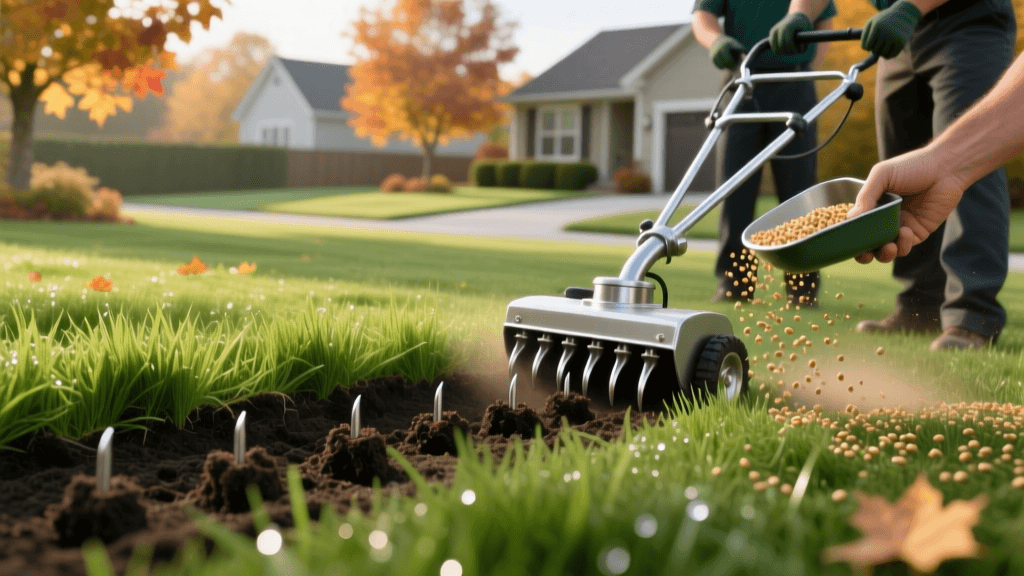
- Overseed and Fertilize: Aeration is the perfect precursor to overseeding. The holes provide direct seed-to-soil contact, dramatically increasing germination rates. Apply a starter fertilizer immediately after aerating and overseeding.
Essential Maintenance Tips for Core Aerators
To ensure your investment lasts for years, proper maintenance is required, especially for the tines that come into direct contact with soil, moisture, and fertilizer.
- Clear the Tines: After every use, use a wire brush or a stiff putty knife to remove impacted clay and thatch from inside the hollow tines. Clogged tines will fail to extract plugs on your next pass.
- Lubrication: For tow-behind models like the Agri-Fab, apply a silicone-based lubricant or a light coating of WD-40 to the tines before storage to prevent rust. Avoid using heavy greases that will attract dirt and grit.
- Engine Care (Gas Models): If you own the Billy Goat or any gas-powered walk-behind unit, remember to run the carburetor dry or add a fuel stabilizer like STA-BIL before winter storage. Change the Honda engine oil after the first 5 hours of use, and annually thereafter.
- Check Hardware: The vibration from coring can loosen bolts over time. Before the start of every fall aeration season, go over your machine with a socket set and tighten all axle, hitch, and tine mounting bolts.
Final Thoughts
Relieving soil compaction is one of the most transformative lawn care practices you can undertake. If you have a small property, the Yard Butler is all you need. For suburbanites with a riding mower, the Agri-Fab 40-Inch offers unmatched value. Finally, if you battle extreme clay and want commercial perfection, the Billy Goat AET18H is worth the investment. Choose the tool that fits your property size, budget, and physical capabilities, and watch your lawn thrive.