Tree Care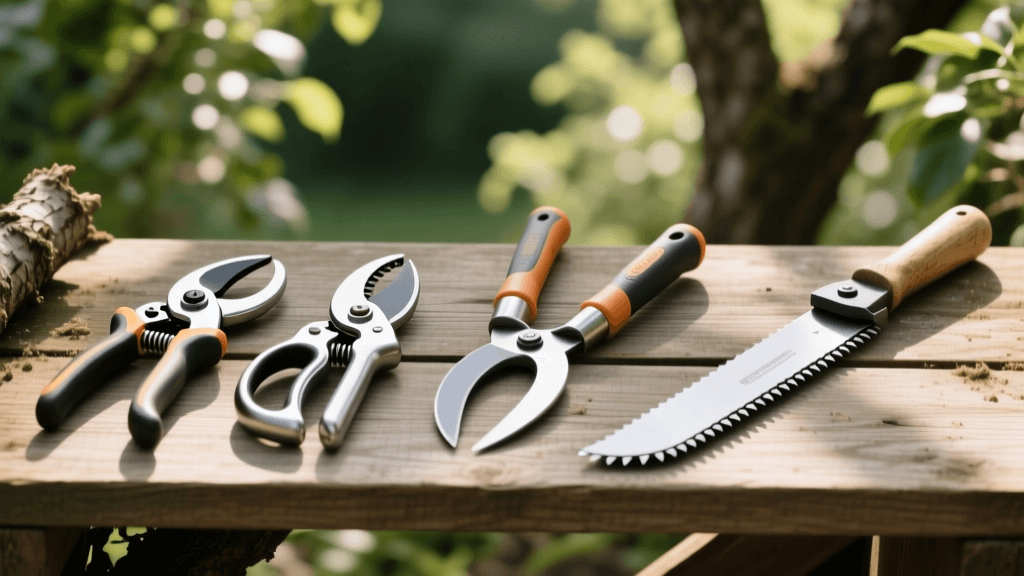
Best Tree Pruning Tools: Bypass vs Anvil Shears Compared
The Science of the Cut: Why Tool Choice Matters
Pruning is one of the most critical maintenance practices for tree health, structural integrity, and aesthetic appeal. However, making the wrong cut with the wrong tool can lead to catastrophic consequences, including the introduction of fatal pathogens like Oak Wilt or Fire Blight. At LawnsGuide, we believe that investing in the right tree pruning tools is just as important as understanding tree biology. In this comprehensive product review and comparison guide, we break down the best bypass and anvil hand pruners, loppers, and pole saws on the market, helping you choose the exact gear needed for every branch diameter.
According to the Purdue University Extension, trees do not "heal" from pruning cuts; instead, they seal off damaged tissue through a process called Compartmentalization of Decay in Trees (CODIT). A clean, precise cut made with a sharp, properly designed tool allows the tree's callus tissue to roll over the wound efficiently. Conversely, a crushed or torn cut—often the result of using dull anvil pruners on live wood—leaves jagged edges that take years to seal, providing an open doorway for wood-decaying fungi.
Hand Pruners Showdown: Bypass vs. Anvil
Hand pruners are the workhorses of any arborist's toolkit, designed for branches up to 1 inch in diameter. The primary debate in tree care is whether to use bypass or anvil blades.
Bypass Pruners: The Arborist Standard
Bypass pruners operate like scissors. A curved, sharpened blade passes closely by a thicker, unsharpened lower jaw (the hook). This shearing action creates a clean, flush cut that minimizes tissue damage. Bypass pruners are the undisputed champions for live, green wood.
Top Pick: Felco F-2 Classic
Price: ~$65
Max Cut: 1 inch
The Felco F-2 is the gold standard for professional landscapers and serious home gardeners. Forged from hardened steel, the blade holds an edge exceptionally well. The sap groove prevents blades from sticking, and the cushion-stop shock absorbers protect your wrists during long pruning sessions. While the initial cost is high, every single part of the Felco F-2 is replaceable, making it a lifetime investment.
Anvil Pruners: The Deadwood Specialist
Anvil pruners feature a single straight, sharpened blade that closes down onto a flat, wide surface (the anvil), much like a knife on a cutting board. While they offer more raw crushing power for thick, dry branches, they tend to crush live plant tissue if not perfectly sharp. They should be strictly reserved for removing dead, brittle wood.
Top Pick: Corona ComfortGEL Anvil
Price: ~$35
Max Cut: 1 inch
Corona's ComfortGEL grips reduce hand fatigue, and the forged steel anvil provides excellent leverage for snapping through dry, stubborn deadwood. However, never use this tool on live, growing tree branches, as the crushing action will damage the cambium layer and impede CODIT.
Loppers: Reaching for the Mid-Canopy
When branches exceed 1 inch in diameter but are still within arm's reach, loppers are required. The long handles provide the mechanical leverage necessary to slice through thicker wood without straining your back or arms.
Top Pick: Fiskars 32-Inch PowerGear2 Bypass Lopper
Price: ~$50
Max Cut: 2 inches
The Fiskars PowerGear2 utilizes a patented gear mechanism that multiplies your leverage, providing up to three times more power per cut. This is a game-changer when pruning dense, fibrous branches on fruit trees or ornamental shrubs. The 32-inch length offers excellent reach, and the fully hardened, precision-ground steel blade stays sharp through heavy use. We highly recommend the bypass version for shaping live canopies, though Fiskars also offers an anvil version for deadwood clearance.
For homeowners with limited grip strength or arthritis, ratchet loppers like the GARTOL Ratcheting Anvil Lopper ($40) are an excellent alternative. They cut in stages, reducing the physical exertion required by up to 50%.
Pole Saws: Safe High-Canopy Management
Climbing a ladder with a chainsaw or heavy hand saw is a leading cause of severe landscaping injuries. For branches between 2 and 8 inches in diameter that are located high in the canopy, a manual pole saw is the safest and most precise option.
Top Pick: Silky Hayauchi 18-Foot Telescopic Pole Saw
Price: ~$280
Max Cut: 8 inches
Silky is renowned in the arboriculture industry for its razor-sharp Japanese pull-saws. The Hayauchi features a three-section telescoping aluminum pole that extends up to 18 feet, giving you a total reach of over 20 feet when factoring in arm length. The 15.7-inch blade cuts aggressively on the pull stroke, which requires less energy and prevents the pole from bowing. While expensive, the cut quality rivals gas-powered pole saws without the noise, emissions, or vibration fatigue.
Always wear ANSI-approved eye protection and a hard hat when operating pole saws overhead. Never stand directly under the branch you are severing; instead, cut at a slight angle and step to the side to allow the branch to fall in a predictable arc.
Pruning Tool Comparison Chart
To help you select the right tool for your specific tree care project, refer to the comparison table below.
| Tool Type | Max Cut Diameter | Best Use Case | Estimated Cost |
|---|---|---|---|
| Bypass Hand Pruner | Up to 1 inch | Live, green wood; precision shaping | $50 - $70 |
| Anvil Hand Pruner | Up to 1 inch | Dry, brittle deadwood removal | $25 - $40 |
| Bypass Lopper | 1 to 2.5 inches | Mid-canopy live branches; leverage | $40 - $60 |
| Telescopic Pole Saw | 2 to 8 inches | High canopy; safe ground-level cuts | $150 - $300 |
Tool Sanitation: Preventing Tree Diseases
Reviewing the best tools is only half the battle; maintaining them is equally vital. The Texas A&M Forest Service warns that pruning tools are primary vectors for transmitting devastating diseases like Oak Wilt and Dutch Elm Disease from infected trees to healthy ones.
You must sanitize your tools between every single tree, and ideally between every cut if you suspect disease.
- 70% Isopropyl Alcohol: Fast-acting and non-corrosive. Simply spray the blades and wipe dry.
- 10% Bleach Solution: Highly effective but extremely corrosive to steel. If used, you must rinse blades with water and apply a light machine oil immediately after.
- Lysol Spray: A surprisingly effective, less corrosive alternative to bleach, recommended by several university extensions for quick field sanitation.
Furthermore, regularly sharpening your bypass blades with a diamond hand file at a 20-degree angle ensures the tool slices rather than tears. A dull blade will fray the bark, creating a ragged wound that invites fungal spores.
Seasonal Timing and Tool Selection
The timing of your pruning dictates which tools you will use most frequently. Late winter (while trees are fully dormant) is the ideal time for major structural pruning using loppers and pole saws. During this window, the tree's energy is stored in the roots, and disease vectors (like sap-feeding beetles) are inactive.
Conversely, summer pruning is generally restricted to light maintenance, water-sprout removal, and deadwood clearance. During the summer, you will rely heavily on your Felco F-2 bypass hand pruners for precision cuts that allow the tree to quickly initiate its wound-sealing processes before the onset of autumn.
Final Verdict
Equipping your shed with the Felco F-2 bypass pruners for live wood, a Corona anvil for deadwood, Fiskars PowerGear loppers for mid-sized branches, and a Silky pole saw for the high canopy will prepare you for 99% of residential tree care tasks. Remember that a sharp, clean tool is the best defense against tree stress and disease. Invest in quality steel, sanitize rigorously, and let the tree's natural biology do the rest.