Tree Care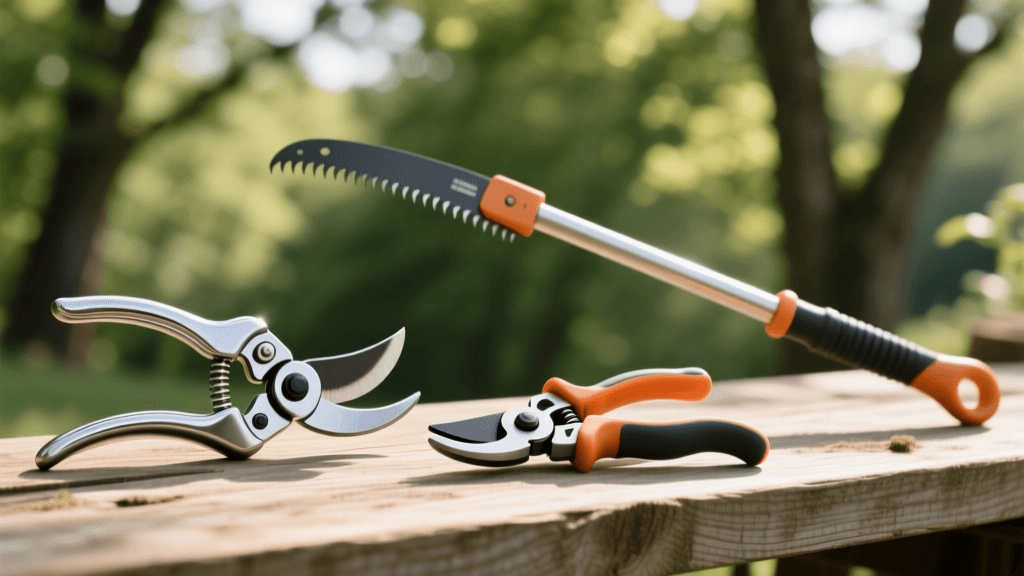
Best Tree Pruning Tools Reviewed: Bypass Loppers and Saws
The Science of the Cut: Why Quality Pruning Tools Matter
Proper tree pruning is one of the most critical practices in landscape management, directly influencing a tree's structural integrity, health, and longevity. However, the effectiveness of your pruning technique is entirely dependent on the quality and sharpness of your tools. Using dull, inappropriate, or poorly designed equipment results in ragged cuts, torn bark, and crushed branch collars.
According to the Cornell University Department of Horticulture, making clean, precise cuts just outside the branch collar is critical for a tree's natural compartmentalization process (CODIT). Ragged tears caused by dull or improper tools compromise this defense, leaving the tree vulnerable to wood-decay fungi, vascular diseases, and destructive wood-boring insects. Furthermore, the International Society of Arboriculture (ISA) strictly advises against using anvil-style pruners on live wood, as they tend to crush the tissue rather than slice it cleanly. For live tree care, bypass blades are the undisputed standard.
In this comprehensive review, we evaluate the best tree pruning tools on the market, comparing top-tier hand pruners, heavy-duty bypass loppers, and high-reach pole saws to help you build a professional-grade toolkit for your home landscape.
Best Hand Pruners for Precision Cuts and Detail Work
Hand pruners (or secateurs) are designed for cutting live branches up to 3/4-inch in diameter. They are essential for making thinning cuts, removing water sprouts, and deadheading.
1. Felco 2 Classic Hand Pruner
The Felco 2 is the gold standard among professional arborists and horticulturists. Forged from hardened steel, the blade holds an exceptionally sharp edge and can be easily resharpened. The sap groove prevents the blades from sticking, while the wire-cutting notch protects the primary blade from damage when snipping trellis wires.
- Max Cut Capacity: 1 inch (25 mm)
- Weight: 8.5 oz
- Estimated Cost: $60 - $70
- Pros: Fully replaceable parts, ergonomic sap groove, lifetime durability.
- Cons: Premium price point; requires regular cleaning and oiling.
2. Corona BP 3180 Bypass Pruner
For homeowners seeking professional quality on a budget, the Corona BP 3180 offers exceptional value. It features a forged steel blade with a non-stick coating that reduces friction and sap buildup. The cushioned grips reduce hand fatigue during long pruning sessions.
- Max Cut Capacity: 3/4 inch
- Weight: 9.2 oz
- Estimated Cost: $30 - $35
- Pros: Excellent price-to-performance ratio, comfortable grips, easy to sharpen.
- Cons: Non-stick coating can wear off after years of heavy use.
Best Bypass Loppers for Structural Pruning
When branches exceed 1 inch in diameter, hand pruners become ineffective and dangerous. Bypass loppers provide the necessary leverage and blade length to cleanly sever medium-sized limbs without crushing the cambium layer.
1. Fiskars 32-Inch PowerGear2 Bypass Lopper
Fiskars revolutionized manual pruning tools with their patented PowerGear technology, which utilizes a modified gear mechanism to multiply leverage. The 32-inch PowerGear2 allows users to cut through 2-inch hardwood branches with roughly one-third of the effort required by standard loppers. This makes it an ideal choice for older gardeners or those pruning dense, overgrown ornamental trees.
- Max Cut Capacity: 2 inches
- Weight: 2.4 lbs
- Estimated Cost: $45 - $55
- Pros: Incredible cutting leverage, lightweight aluminum handles, anti-friction blade coating.
- Cons: Gear mechanism can be difficult to repair if it fails or clogs with heavy sap.
2. Corona SL 4264 Elite Bypass Lopper
The Corona SL 4264 Elite is built for heavy-duty, frequent use. Featuring compound action joints and precision-ground forged steel blades, these loppers deliver a smooth, powerful cut. The 30-inch handles provide excellent reach, and the shock-absorbing bumpers prevent jarring impacts when cutting through thick, dry wood.
- Max Cut Capacity: 1.75 inches
- Weight: 3.1 lbs
- Estimated Cost: $55 - $65
- Pros: Heavy-duty steel construction, replaceable blades, excellent shock absorption.
- Cons: Heavier than geared alternatives, which may cause fatigue during overhead pruning.
Best Pole Saws for High Canopy Management
Pruning branches higher than 8 feet requires specialized equipment to maintain safety and avoid the hazards of climbing ladders with sharp tools. Pole saws allow you to maintain the canopy from the safety of the ground.
1. Silky Hayauchi 24-Foot Telescoping Pole Saw
Silky is globally renowned for its ultra-sharp, impulse-hardened Japanese pull saws. The Hayauchi features a 390mm curved blade with aggressive teeth that slice through live wood like butter on the pull stroke. The oval-shaped telescoping aluminum pole is incredibly rigid, preventing the bending and whipping common in cheaper fiberglass poles.
- Max Reach: 24 feet (approx. 18-foot branch height)
- Weight: 6.8 lbs
- Estimated Cost: $240 - $280
- Pros: Unmatched cutting speed, rigid oval pole prevents twisting, extremely sharp.
- Cons: High investment cost; the aggressive teeth can bind if not used with proper pull-stroke technique.
2. Fiskars 14-Foot Chain Drive Pole Saw & Pruner
For occasional homeowners who need to clear storm-damaged limbs or thin out a backyard oak, the Fiskars 14-foot Chain Drive is a versatile, budget-friendly option. It includes a bypass pruner head operated by a pull-chain mechanism for smaller branches, and a detachable 15-inch saw blade for thicker limbs.
- Max Reach: 14 feet
- Weight: 5.2 lbs
- Estimated Cost: $60 - $75
- Pros: Dual functionality (pruner and saw), affordable, chain drive provides good leverage.
- Cons: Fiberglass pole can flex under heavy loads; pull chain can occasionally tangle.
Comprehensive Pruning Tool Comparison Chart
Use the table below to quickly compare the specifications and ideal use cases for our top-rated tree pruning tools.
| Product Name | Tool Category | Max Cut Diameter | Est. Cost | Best Use Case |
|---|---|---|---|---|
| Felco 2 Classic | Hand Pruner | 1.00 inch | $65 | Detail work, fruit trees, rose canes |
| Corona BP 3180 | Hand Pruner | 0.75 inch | $32 | Budget-friendly precision pruning |
| Fiskars 32' PowerGear2 | Bypass Lopper | 2.00 inches | $50 | Thick branches, users needing leverage |
| Corona SL 4264 Elite | Bypass Lopper | 1.75 inches | $60 | Heavy-duty structural pruning |
| Silky Hayauchi 24' | Pole Saw | 6.00+ inches | $260 | Professional canopy elevation, large limbs |
| Fiskars 14' Chain Drive | Pole Saw/Pruner | 4.00 inches | $68 | Occasional overhead clearing, storm damage |
Tool Sanitation: Preventing the Spread of Tree Disease
Owning the best tools is only half the battle; maintaining them is equally critical. One of the most common ways homeowners inadvertently spread diseases like Fire Blight, Cytospora Canker, or Oak Wilt is by moving from an infected tree to a healthy one with unsanitized tools.
Expert Tip: 'Always keep a spray bottle of 70% isopropyl alcohol or a 10% bleach solution in your pruning kit. Wipe down or spray your bypass blades between every single tree, and especially after making a cut on diseased wood. Allow the blade to dry for 30 seconds before making the next cut to ensure pathogens are neutralized.' - University of California Agriculture and Natural Resources (UC ANR)
After every pruning session, use a wire brush and warm soapy water to remove sap and wood debris from the blades. Dry them thoroughly with a microfiber cloth, and apply a light coat of camellia oil or WD-40 to prevent rust and keep the pivot joints moving smoothly.
Timing Your Pruning for Optimal Tree Health
Even the most expensive Silky saw or Felco pruner can cause harm if used at the wrong time of year. For most deciduous shade and ornamental trees, the optimal time for major structural pruning is during late winter or early spring, just before the buds break and the spring flush of growth begins. During this dormant period, the tree's energy reserves are stored in the roots, and the absence of leaves provides a clear view of the branch architecture.
Furthermore, pruning in late winter allows the tree to rapidly initiate the CODIT compartmentalization process as soon as the growing season starts, quickly sealing off the wound. Avoid heavy pruning in late summer or early fall, as this can stimulate tender new growth that will not have time to harden off before the first winter freeze, leading to dieback and frost cracks.
Final Thoughts on Building Your Pruning Arsenal
Investing in high-quality bypass pruning tools is an investment in the long-term health and beauty of your landscape. While budget tools may seem appealing, they often require frequent replacement and can cause irreversible damage to your trees through crushed bark and torn cambium. By selecting the right hand pruner for detail work, a reliable lopper for structural thinning, and a sharp pole saw for canopy management, you will be fully equipped to maintain a safe, vibrant, and thriving urban forest right in your own backyard.