Tree Care
The Best Slow-Release Tree Watering Bags Compared
The Critical Role of Deep Watering for New Trees
Planting a new tree is a long-term investment in your landscape, but the first two years are the most precarious. During this establishment phase, the tree's root system is confined to the original root ball, making it highly susceptible to drought stress. Surface watering with a hose or sprinkler often leads to runoff, shallow root growth, and wasted water. This is where slow-release tree watering bags become an indispensable tool for homeowners and professional arborists alike.
According to the University of Florida IFAS Extension, maintaining consistent moisture in the root ball is paramount for newly planted trees. The IFAS guidelines emphasize that water must be applied directly to the root zone slowly enough to penetrate deeply without waterlogging the soil or causing anaerobic conditions. Slow-release watering bags are specifically engineered to solve this problem by delivering 15 to 20 gallons of water directly to the root zone over a period of 5 to 12 hours. This mimics a slow, steady rainstorm, encouraging roots to grow downward and outward.
In this comprehensive review and comparison, we evaluate the top tree watering bags on the market, breaking down their capacity, release rates, durability, and overall value to help you choose the right hydration system for your landscape.
Top Tree Watering Bags Reviewed
1. Treegator Original Slow-Release Watering Bag
The Treegator Original is the pioneer of the slow-release watering bag industry and remains the gold standard for municipal and residential tree care. Designed to fit trees with trunk diameters from 1 to 4 inches, it features a heavy-duty, UV-resistant polyethylene construction that withstands harsh summer sun without degrading.
- Capacity: 20 Gallons
- Release Time: 5 to 9 hours
- Key Feature: Dual-chamber design with micro-perforations at the base.
- Pros: Extremely durable, zippers are robust and rarely fail, UV treatment prevents cracking after multiple seasons. Can be zipped together to double capacity for larger trees.
- Cons: Higher upfront cost compared to generic brands; the green color, while meant to blend in, can look slightly obtrusive in formal garden settings.
- Average Cost: $32.00 per bag.
Verdict: If you are planting expensive specimen trees or managing a commercial property, the Treegator Original is worth the premium. Its longevity easily justifies the initial investment.
2. Arbor Rain Tree & Shrub Hydrator
The Arbor Rain system takes a slightly different approach to slow-release hydration. Instead of relying solely on micro-holes, it utilizes a specialized drip-pad technology that disperses water evenly across the base of the tree. This is particularly beneficial for shrubs and multi-trunk trees where a traditional conical bag might not sit flush against the ground.
- Capacity: 15 Gallons
- Release Time: Up to 8 hours
- Key Feature: Drip pad distribution and a secure velcro/strap fastening system.
- Pros: Excellent for shrubs and irregularly shaped trunks; lays flatter against the ground to reduce evaporation; easy to clean.
- Cons: Slightly lower capacity than the Treegator; the strap system can be finicky to adjust on very thin trunks.
- Average Cost: $35.00 per bag.
Verdict: The Arbor Rain is the best choice for gardeners who need a versatile system that can transition between newly planted trees, large shrubs, and balled-and-burlapped (B&B) plantings.
3. VIVOSUN Tree Watering Bag (Budget Pick)
For homeowners planting multiple trees on a strict budget, the VIVOSUN tree watering bags offer a compelling, cost-effective alternative. While they lack the heavy-duty UV inhibitors of premium brands, they perform the core function of slow-release watering remarkably well for the price point.
- Capacity: 15 Gallons
- Release Time: 6 to 10 hours
- Key Feature: Sold in multi-packs, making it highly economical for orchard or windbreak planting.
- Pros: Highly affordable; lightweight and easy to store; simple zipper design.
- Cons: Material is thinner and more prone to punctures from thorny branches or wildlife; zippers can degrade after one or two seasons of heavy UV exposure.
- Average Cost: $18.00 for a 2-pack ($9.00 per bag).
Verdict: Ideal for large-scale planting projects, community tree-planting events, or budget-conscious gardeners who don't mind replacing the bags every two years.
Product Comparison Chart
| Product | Capacity | Release Time | UV Protection | Best Use Case | Avg. Cost |
|---|---|---|---|---|---|
| Treegator Original | 20 Gallons | 5-9 Hours | Heavy-Duty | Specimen trees, commercial use | $32.00 |
| Arbor Rain Hydrator | 15 Gallons | Up to 8 Hours | Standard | Shrubs, multi-trunk trees | $35.00 |
| VIVOSUN (2-Pack) | 15 Gallons | 6-10 Hours | Minimal | Budget planting, community projects | $9.00 / ea |
How to Properly Install and Use Tree Watering Bags
Simply throwing a watering bag around a tree and filling it with a hose is not enough. Improper use can lead to trunk rot, algae buildup, and ineffective watering. Follow these actionable steps for optimal results:
- Positioning and Zipping: Wrap the bag around the tree trunk and zip it up. Ensure the zipper is fully closed from the bottom to the top. Crucial Tip: Do not let the bag rest directly against the bark. Leave a half-inch gap to allow for air circulation, which prevents fungal diseases and bark rot.
- The Initial Fill: Fill the bag with about 2 gallons of water first. Then, gently pull the bag upward by the top handles or straps. This upward pull opens the micro-emitter holes at the base and allows the bag to stand upright, preventing it from sagging.
- Complete the Fill: Once the bag is standing upright and the emitters are confirmed to be dripping, fill it to the maximum capacity (usually indicated by a fill line or the top of the zipper).
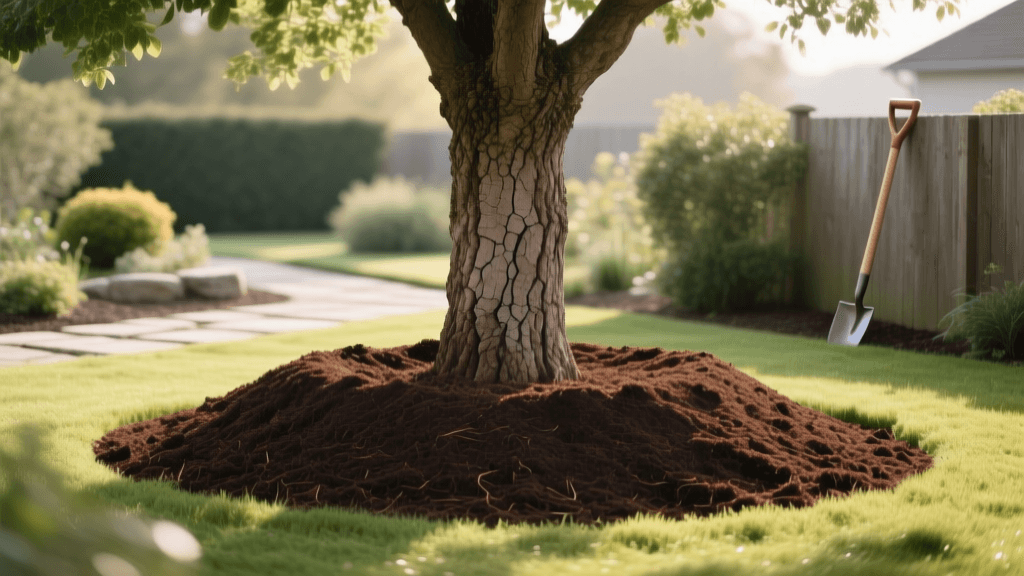
- Mulch Integration: For best results, apply a 2-to-3-inch layer of organic mulch over the root ball before placing the watering bag. The bag will sit on top of the mulch, and the slow-dripping water will carry the moisture deep into the soil without washing the mulch away.
Common Mistakes to Avoid
Even with the best products, user error can compromise tree health. Avoid these common pitfalls:
Leaving Bags On Year-Round
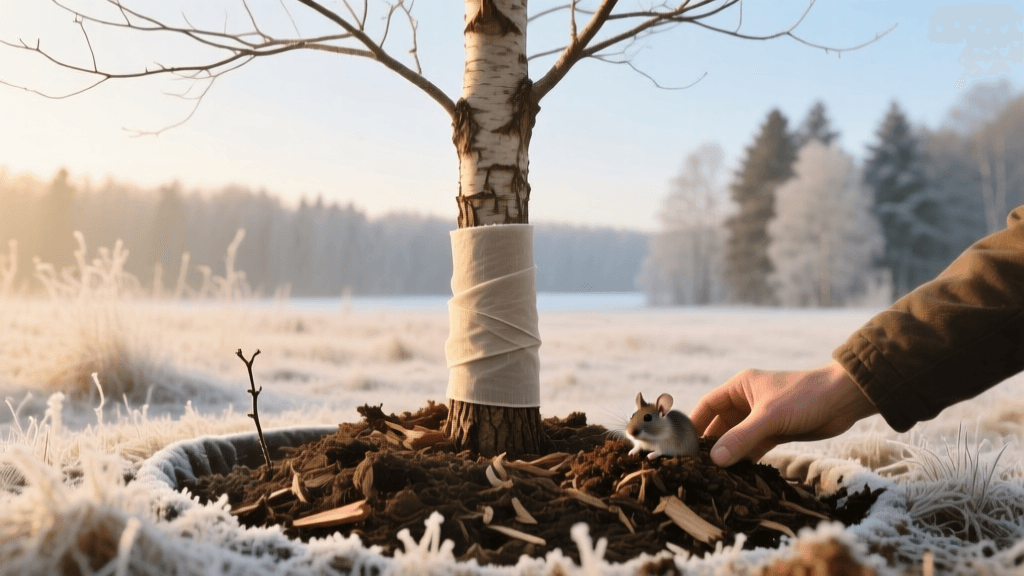
Tree watering bags are designed for the growing season and the establishment phase (usually the first 1-2 years). Leaving them on the tree during the winter or late fall creates a warm, sheltered habitat for rodents, insects, and fungal pathogens. Always remove, clean, and store the bags when the tree enters winter dormancy or when consistent natural rainfall begins.
Failing to Clean the Emitters
Over time, hard water deposits, algae, and dirt can clog the micro-perforations at the base of the bag. If you notice the bag taking longer than 12 hours to empty, it is clogged. Empty the bag, rinse it with a mild bleach solution (1 part bleach to 10 parts water), scrub the base gently with a soft brush, and let it dry completely in the sun before storing.
Over-Reliance on Bags for Mature Trees
Watering bags are strictly for newly planted trees and shrubs with confined root balls. Once a tree's roots have established and spread beyond the original planting hole (usually after 24 months), surface drip irrigation or deep root watering probes are much more effective, as the active absorbing roots will have moved past the trunk base to the drip line.
Final Verdict: Which Bag Should You Buy?
Choosing the right tree watering bag depends entirely on your specific landscaping needs and budget. For homeowners planting a single, high-value shade tree or fruit tree, the Treegator Original is the undisputed champion. Its 20-gallon capacity and UV-resistant materials ensure it will survive multiple seasons of harsh weather while keeping your tree perfectly hydrated.
If you are working with a diverse landscape that includes large shrubs, hydrangeas, or multi-trunk ornamental trees, the Arbor Rain Hydrator offers superior versatility and ground-level dispersion. Finally, for those undertaking large-scale reforestation, planting privacy screens, or working with tight budgets, the VIVOSUN multi-packs provide the necessary slow-release hydration at a fraction of the cost.
By investing in a quality slow-release watering system and following proper installation techniques, you drastically increase the survival rate of your newly planted trees, ensuring they grow into healthy, deeply rooted giants for decades to come.