Tree Care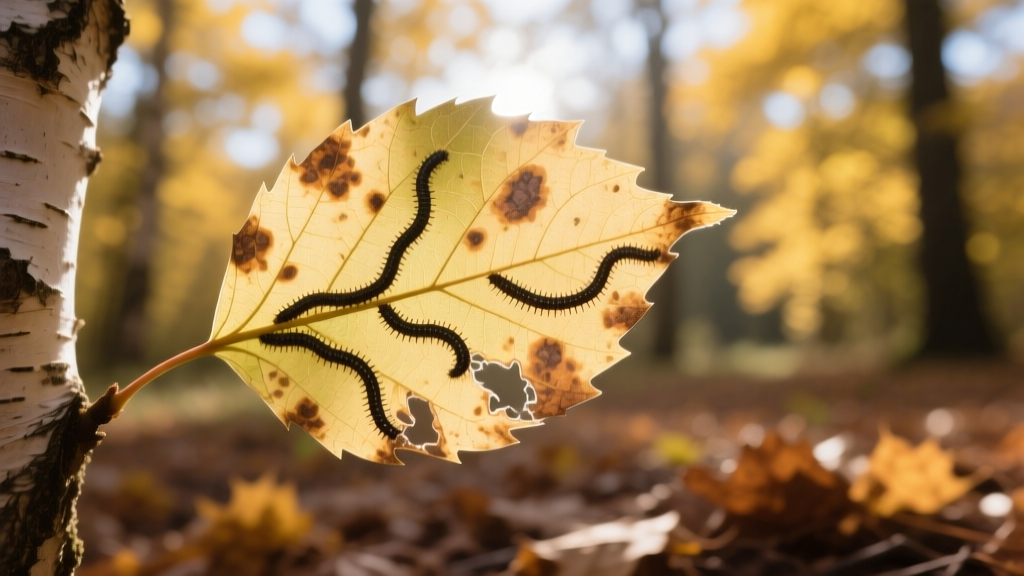
Birch Leaf Miner ID & Acephate Treatment: Fall 2026
Sarah ChenPublished
Introduction: Fall Assessment for Birch Trees
When autumn arrives, most homeowners focus their fall lawn care efforts on aerating, overseeding, and managing fallen foliage. However, true landscape stewardship extends beyond the turfgrass to the canopy above. Birch trees are beloved focal points in many residential landscapes, prized for their striking peeling bark and delicate, dappled shade. Yet, they are also highly susceptible to specific pests that can severely compromise their health if left unchecked. As we navigate the 2026 growing season and transition into winter, assessing your birch trees for pest damage is a critical component of comprehensive fall yard care.
Among the most common and destructive of these pests is the birch leafminer. While the damage is most visible in late spring and early summer, the fall season is actually the most crucial time for intervention, cleanup, and treatment planning. This guide will walk you through identifying birch leafminer damage, understanding the pest's life cycle, and utilizing acephate-based treatments alongside cultural sanitation methods to protect your trees.
Identifying Birch Leaf Miner Damage in Autumn
The birch leafminer (Fenusa pusilla and Profenusa thomsoni) is a small, sawfly-like insect whose larvae feed on the tissue between the upper and lower surfaces of birch leaves. By the time fall rolls around, the initial green, blister-like mines have turned into large, papery, brown blotches. Severely infested trees may appear scorched or entirely brown from a distance, leading many homeowners to mistakenly believe the tree is dying from drought or disease.
Distinguishing Leaf Miner from Bronze Birch Borer
One of the most common mistakes homeowners make during fall tree assessments is confusing leafminer damage with the much more lethal bronze birch borer (BBB). According to the University of Minnesota Extension, leafminer damage is generally cosmetic and rarely kills a healthy tree outright, whereas the BBB is a fatal wood-boring beetle. To tell them apart in the fall, examine the pattern of the damage. Leafminer damage is scattered throughout the canopy and localized to the leaf tissue itself. In contrast, BBB damage causes distinct top-down dieback, where entire branches at the crown of the tree lose their leaves and die, often accompanied by D-shaped exit holes on the trunk. If your tree's leaves are blotchy but the branches are still flexible and alive, you are likely dealing with leafminers.
The Life Cycle and Overwintering Pupae
Understanding the pest's life cycle is critical for fall lawn and garden care. Adult leafminers emerge in early spring to lay eggs in newly expanding birch leaves. The larvae hatch and mine inside the leaf for several weeks. By mid-to-late summer, the mature larvae drop from the canopy to the ground. They burrow into the top two inches of the soil and the leaf litter to pupate and overwinter. They remain in this dormant stage beneath your lawn and garden beds until the following spring, making the soil surface and fallen leaves the primary battleground for autumn control.
Fall Sanitation: The First Line of Defense
Before reaching for chemical treatments, rigorous fall sanitation is your most effective, environmentally friendly tool. Because the pupae overwinter in the leaf litter and the top layer of soil directly beneath the tree's drip line, removing their habitat drastically reduces the spring population.
- Meticulous Raking: Rake up every fallen birch leaf within the tree's drip line. Do not leave piles of leaves near the trunk, as this creates a perfect microclimate for overwintering pests and encourages fungal trunk rot.
- Proper Disposal: Do not compost infested birch leaves. Most residential compost piles do not reach the sustained high temperatures required to kill the pupae. Instead, bag the leaves securely and dispose of them in your municipal landfill or burn them where local 2026 ordinances permit.
- Shallow Cultivation: Lightly raking or cultivating the top inch of soil beneath the canopy in late fall can expose pupae to freezing winter temperatures and foraging birds, naturally reducing their numbers.
Acephate Treatment Strategies for 2026
While sanitation is vital, severe, multi-year infestations require chemical intervention to prevent the tree from becoming stressed and vulnerable to secondary borers. Acephate is a systemic organophosphate insecticide that has long been a staple in arboricultural pest management. When absorbed by the tree, it translocates through the vascular system, poisoning the larvae as they feed on the leaf tissue.
Trunk Injections vs. Soil Drenches
The application method for acephate is heavily dictated by current environmental regulations and tree health. As of 2026, many municipalities and environmental protection agencies have restricted the use of organophosphate soil drenches in residential areas due to the risk of groundwater contamination and harm to non-target soil organisms. Therefore, the preferred and often legally mandated method for applying acephate to birch trees is via direct trunk injection.
Trunk injection systems (such as Acecap implants) deliver the acephate directly into the xylem of the tree. This method eliminates soil runoff, protects pollinators and beneficial soil microbes, and ensures the chemical is distributed exactly where it is needed. While trunk injections can be performed in early spring just as leaves are expanding, late fall injections are sometimes utilized by certified arborists to allow the tree to slowly distribute the compound over the dormant season, preparing it for immediate defense the moment spring leafout occurs.
For a detailed look at how treatment methods compare, review the chart below:
| Treatment Method | Optimal Timing | Efficacy Profile | 2026 Application Notes |
|---|---|---|---|
| Trunk Injection (Acephate Capsules) | Early Spring or Late Fall | High (Targeted) | Requires professional drilling; minimal environmental runoff; highly recommended for residential zones. |
| Soil Drench (Systemic) | Early Spring (Post-Leafout) | Moderate to High | Check local 2026 regulations; heavily restricted or banned in many residential and urban watersheds. |
| Fall Sanitation (Cultural) | Autumn (During Leaf Drop) | Moderate (Preventative) | Essential IPM step; physically removes overwintering pupae from the soil surface and leaf litter. |
| Foliar Sprays (Contact) | Mid-Spring (Leaf Expansion) | Low to Moderate | Difficult to time correctly; does not reach larvae already mining inside the leaf tissue. |
Preparing the Root Zone During Fall Lawn Care
Chemical treatments and sanitation are only one piece of the puzzle. A tree's ability to withstand pest pressure is directly tied to its overall vigor. Birch trees have shallow, fibrous root systems that compete directly with your lawn for water and nutrients. During your fall lawn care routine, it is vital to support the birch's root zone.
According to the University of Wisconsin-Madison Extension, maintaining proper soil moisture is critical for birch health. In the late fall, before the ground freezes completely, provide your birch trees with a deep, slow watering. This ensures the roots are fully hydrated going into the harsh winter months, preventing winter desiccation. Furthermore, apply a 2-to-3-inch layer of organic mulch (such as shredded hardwood or pine bark) over the root zone, extending out to the drip line. Keep the mulch strictly away from the trunk itself to prevent 'volcano mulching,' which traps moisture against the bark and invites fungal pathogens and rodents.
Conclusion
Integrating birch tree health into your fall lawn care regimen is an investment in the long-term beauty and safety of your landscape. By accurately identifying leafminer damage, distinguishing it from fatal borers, and executing a rigorous fall leaf cleanup, you disrupt the pest's life cycle at its most vulnerable stage. When combined with professionally applied acephate trunk injections and proper autumn root-zone hydration, your birch trees will be primed to flush out healthy, vibrant, and pest-free foliage in the spring of 2026 and beyond.
