Tree Care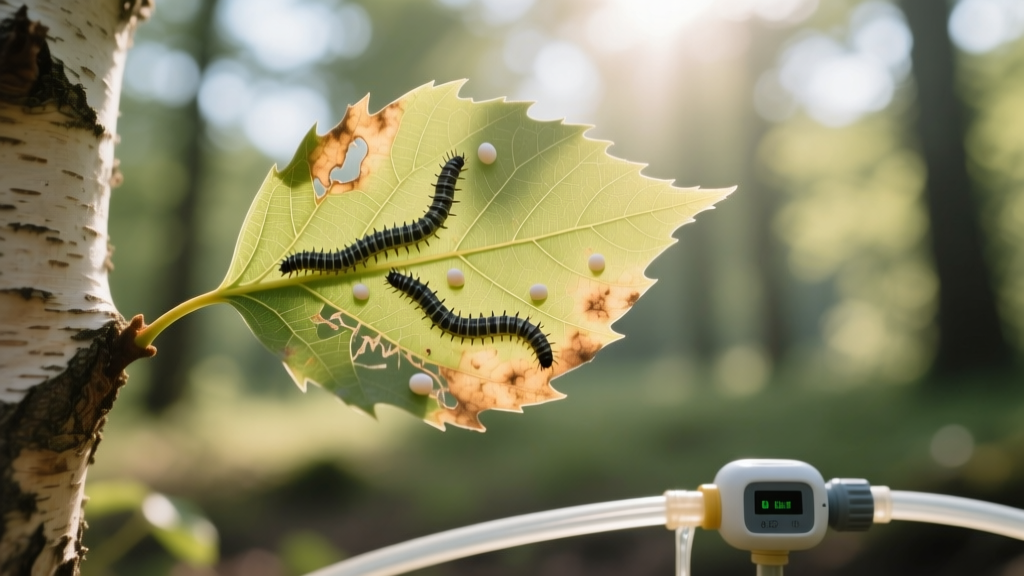
2026 Birch Leaf Miner: Acephate & Irrigation Guide
Anna KowalskiPublished
The Intersection of Pest Control and Irrigation in 2026
Birch trees (Betula species) are prized for their striking bark and delicate foliage, but they are notoriously vulnerable to environmental stress and insect infestations. Among the most common and destructive of these pests is the birch leaf miner (Fenusa pusilla). In 2026, managing this pest effectively requires more than just applying chemicals; it demands a comprehensive approach that integrates targeted treatments like acephate with precise sprinkler and irrigation system management. Because birches possess shallow root systems, they are highly sensitive to moisture fluctuations. Drought-stressed birches emit specific volatile organic compounds that actually attract leaf miners, making your irrigation schedule a critical line of defense.
Furthermore, the efficacy of systemic insecticides is directly tied to soil moisture and water uptake. If your sprinkler system is poorly calibrated, overwatering can leach treatments away from the root zone, while underwatering prevents the tree from drawing the pesticide up into its canopy. This guide will walk you through identifying the birch leaf miner, understanding 2026 acephate treatment protocols, and perfectly synchronizing your irrigation systems for optimal tree health.
Identifying Birch Leaf Miner Damage
Before adjusting your irrigation or calling an arborist for treatment, you must accurately identify the pest. The birch leaf miner is a small, black sawfly. The damage is caused not by the adult, but by the larvae that hatch and burrow between the upper and lower layers of the birch leaf.
Key Identification Signs
- Early Stage (May to early June): Look for small, kidney-shaped blisters or 'mines' on the newest, most tender leaves at the top of the canopy. These mines are initially greenish-brown.
- Late Stage (Late June to July): The mines expand into large, irregular blotches that turn completely brown and crispy. Heavily infested trees can lose up to 90% of their leaf surface area, severely stunting growth.
- Second Generation: In many regions, a second generation emerges in August, causing further browning that is often mistaken for autumn leaf scorch or drought damage.
It is crucial to distinguish leaf miner damage from the much more lethal bronze birch borer, which attacks the trunk and cambium layer. According to the University of Wisconsin-Madison Extension, while leaf miners rarely kill a tree outright, consecutive years of severe defoliation weaken the tree, making it highly susceptible to secondary borers and fatal diseases.
Acephate Treatment Protocols and 2026 Regulations
Acephate is a broad-spectrum, systemic organophosphate insecticide that has long been a staple in arboriculture for controlling chewing and sucking insects. Because it is systemic, once it enters the tree's vascular system, it translocates to the leaves, killing the miner larvae as they feed.
However, the regulatory landscape for acephate has shifted significantly by 2026. The EPA has heavily restricted the use of foliar-sprayed organophosphates in residential areas due to drift and non-target pollinator concerns. Therefore, the industry standard for birch leaf miner control is now professional trunk injection or targeted soil root-zone injection. This is exactly where your home irrigation system becomes a vital partner in the treatment process.
Coordinating Sprinkler Systems with Acephate Applications
When an arborist applies acephate via soil injection or drench, the chemical must be dissolved in soil moisture and drawn up by the tree's roots through the xylem. Your sprinkler system dictates whether this process succeeds or fails.
The Dangers of Overhead Sprinklers
If you are using traditional overhead spray heads, you face two major issues. First, if any foliar treatments or trunk injections with residual surface chemicals are used, overhead irrigation will wash them off the bark or foliage, rendering them useless and potentially causing chemical runoff into your lawn or local storm drains. Second, overhead sprinklers often fail to deliver deep, consistent moisture to the root zone. They wet the top inch of soil, encouraging shallow root growth and failing to activate deep soil-injected acephate.
The Necessity of Deep Soil Moisture
For systemic uptake to occur, the soil must be moist but not saturated. If your irrigation zone for the birch trees is set to short, daily bursts, the acephate will remain trapped in the topsoil and degrade via UV exposure and microbial activity before the deep roots can absorb it. You must transition to deep, infrequent watering cycles.
Optimizing Your 2026 Irrigation Schedule for Birches
To support both the chemical uptake and the natural resilience of your birch trees, you should utilize a smart irrigation controller (such as the latest 2026 models from Rachio or Hunter) paired with subsurface drip lines or high-efficiency rotary nozzles.
Step-by-Step Irrigation Setup for Treated Birches
- Isolate the Zone: Birch trees require 1.5 to 2 inches of water per week, which is significantly more than standard turfgrass. Ensure your birch trees are on a dedicated irrigation zone separate from your lawn.
- Switch to Drip or Bubblers: Replace overhead spray heads near the tree's drip line with inline drip tubing or multi-stream rotary nozzles. This delivers water directly to the root zone without wetting the trunk or washing away soil treatments.
- Pre-Treatment Watering: Two days before your scheduled acephate soil injection, run the drip zone for a full cycle to ensure the soil is primed and moist. Dry, hydrophobic soil will repel liquid pesticide injections.
- Post-Treatment Watering: Wait 24 hours after soil injection before running your irrigation system again. When you do water, use a 'soak and cycle' method (e.g., three 10-minute cycles with 30 minutes in between) to gently pull the acephate down into the active root zone without causing leaching.
Comparison Chart: Irrigation Methods for Treated Birches
Choosing the right hardware for your irrigation zones is critical when managing chemically treated trees. Below is a comparison of common irrigation methods and their compatibility with acephate treatments.
| Irrigation Method | Water Penetration Depth | Impact on Soil-Injected Acephate | 2026 Recommendation |
|---|---|---|---|
| Overhead Spray Heads | Shallow (1-3 inches) | High risk of surface runoff and chemical wash-off. | Avoid for treated zones. |
| Soaker Hoses | Moderate (4-8 inches) | Good, but prone to surface evaporation and uneven distribution. | Acceptable for temporary use. |
| Inline Drip Tubing | Deep (12-18 inches) | Excellent. Slowly pulls chemical into the root zone without leaching. | Highly Recommended. |
| Deep Root Watering Probes | Very Deep (18-24 inches) | Best for mature trees; bypasses surface competition from turf. | Best for mature, stressed birches. |
Monitoring Soil Moisture and Tree Health
Even with a smart controller, relying solely on weather-based algorithms can be risky for shallow-rooted birches. In 2026, wireless soil moisture sensors have become highly accurate and affordable. By placing a soil moisture probe at a depth of 8 to 12 inches within the tree's drip line, you can feed real-time data to your smart controller. This ensures the soil remains at the ideal volumetric water content for both tree health and systemic pesticide translocation.
If the soil moisture drops below 15%, the tree will close its stomata to conserve water, effectively shutting down the transpiration stream. When transpiration stops, the acephate stops moving through the tree, leaving the upper canopy vulnerable to the second generation of leaf miners in late summer.
Conclusion
Successfully combating the birch leaf miner requires a holistic strategy that extends far beyond the pesticide itself. By accurately identifying the pest early in the spring, hiring a licensed professional to apply acephate via trunk or deep-soil injection, and meticulously aligning your irrigation hardware to support deep root uptake, you can save your birch trees from severe defoliation. Upgrading to targeted drip irrigation and utilizing smart soil moisture monitoring will not only maximize the efficacy of your pest control treatments but will also ensure your birches remain vibrant, healthy, and resilient throughout the 2026 growing season and beyond.