Tree Care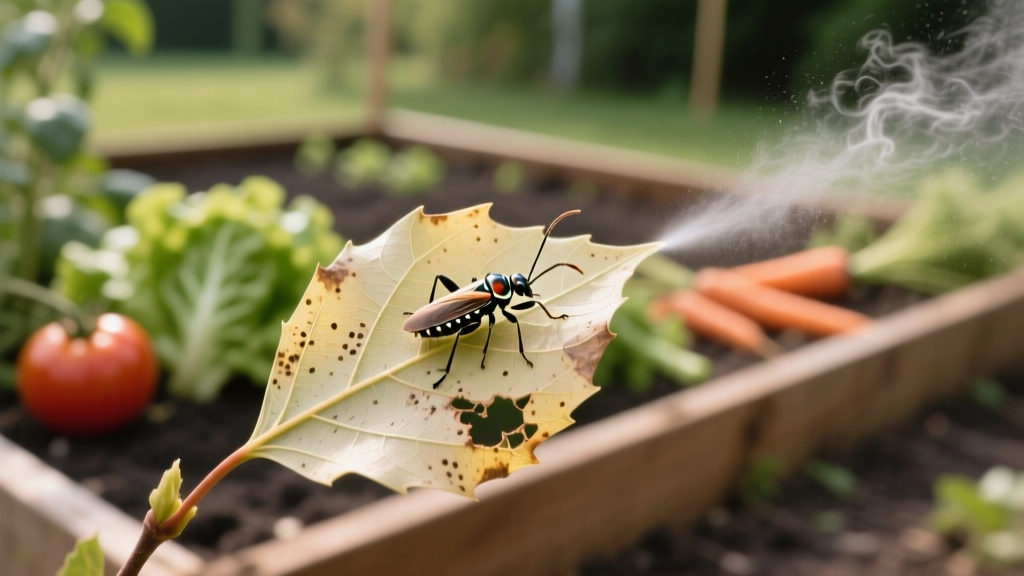
Birch Leaf Miner & Acephate: Safe Treatment Near Raised Beds 2026
David ParkPublished
The Intersection of Tree Care and Raised Bed Gardening
Landscaping that integrates towering, elegant birch trees with ground-level raised bed vegetable gardens is a hallmark of modern permaculture and aesthetic homesteading. The dappled shade provided by a birch canopy can benefit certain cool-season crops, while the structural beauty of the trees elevates the entire garden space. However, as we navigate the 2026 growing season, the intersection of ornamental tree care and edible food production presents unique challenges. Chief among these is managing the birch leaf miner (Fenusa pusilla) without contaminating your carefully curated raised bed soils with harsh chemical treatments like Acephate.
When a prized birch tree becomes infested, the instinct for many homeowners is to reach for a broad-spectrum systemic insecticide. Acephate (commonly known by the brand name Orthene) is a highly effective organophosphate that has long been a staple in arboriculture. Yet, applying systemic chemicals near edible gardens requires a deep understanding of soil dynamics, root zone overlap, and chemical drift. This comprehensive guide will help you accurately identify the birch leaf miner and outline strict, safe protocols for utilizing Acephate treatments while fiercely protecting your raised bed vegetable harvest in 2026.
Identifying the Birch Leaf Miner in the 2026 Season
Before initiating any chemical treatment, accurate identification is paramount. The birch leaf miner is a small, black sawfly whose larvae feed between the upper and lower epidermal layers of birch leaves. According to the University of Minnesota Extension, the damage typically manifests in late spring to early summer, coinciding with the first major flush of your raised bed planting schedules.
Key Symptoms to Monitor:
- Early Stage (Serpentine Mines): In late May or early June, look for small, winding, greenish-brown tunnels just beneath the leaf surface. At this stage, the larvae are small, and the damage is often mistaken for fungal leaf spot.
- Late Stage (Blotch Mines): As the larvae grow, the tunnels expand into large, irregular, brownish-black blotches. The leaves may crinkle, turn entirely brown, and drop prematurely by mid-summer.
- Frass Accumulation: If you hold an affected leaf up to the sunlight, you can often see the tiny, pale larvae and their dark, sawdust-like excrement (frass) packed inside the hollowed-out leaf tissue.
While a mild infestation merely creates cosmetic damage, consecutive years of severe defoliation can weaken the birch tree, making it highly susceptible to the lethal bronze birch borer. Therefore, intervention is often necessary, but the method of intervention is critical when edible raised beds are situated within the tree's dripline.
Understanding Acephate and Systemic Risks
Acephate is a systemic organophosphate insecticide. When applied to a tree, it is absorbed into the plant's vascular system and translocated to the leaves, where it poisons the feeding leaf miner larvae. The National Pesticide Information Center (NPIC) notes that Acephate is highly soluble in water, which is precisely what allows it to move efficiently through the tree's xylem. However, this same water solubility makes it a significant liability in a raised bed vegetable garden setting.
The Root Zone Overlap Problem
Birch trees possess wide-spreading, relatively shallow root systems designed to capture surface moisture. A mature birch tree's root network frequently extends far beyond its visible canopy dripline. If your raised bed vegetable garden is located within 20 to 30 feet of the trunk, it is highly likely that the tree's fine feeder roots have colonized the nutrient-rich, frequently irrigated soil beneath and inside your raised beds.
If Acephate is applied as a soil drench or via granular soil application around the base of the tree, the chemical can leach through the soil profile. Because raised beds are often watered heavily to sustain crops like tomatoes, peppers, and leafy greens, this irrigation can draw the dissolved Acephate directly into the root zones of your vegetables. Root uptake of organophosphates by edible crops is a severe health hazard and violates all agricultural safety guidelines for home food production.
Safe Application Protocols Near Raised Bed Vegetables
If you have confirmed a severe birch leaf miner infestation and determined that Acephate is the most viable treatment option for your specific tree health scenario, you must abandon traditional soil-application methods. In 2026, professional arborists and advanced home gardeners rely on targeted application techniques that eliminate the risk of soil contamination in adjacent edible gardens.
1. Trunk Injection (The Safest Route)
Trunk injection is the gold standard for treating birch trees near edible gardens. By drilling small, shallow holes into the xylem at the base of the trunk and injecting an Acephate-based formulation (such as Arborjet's proprietary systemic blends) directly into the tree's vascular system, you completely bypass the soil.
- Pros: Zero soil leaching, zero risk to raised bed vegetables, highly effective against miners.
- Cons: Requires specialized equipment (e.g., TREE I.V. systems), causes minor physical wounding to the trunk, and is more expensive than soil drenches.
2. Foliar Sprays (With Strict Drift Management)
Foliar spraying involves applying a diluted Acephate solution directly to the birch canopy. The chemical penetrates the leaf cuticle and kills the miners on contact or through localized translaminar movement.
- Pros: Immediate knockdown of active larvae, no soil contamination.
- Cons: High risk of spray drift. If the wind carries the mist onto your raised beds, it can settle on the edible portions of your vegetables. Furthermore, foliar sprays are highly toxic to foraging bees and beneficial pollinators essential for your vegetable garden's fruit set.
Drift Mitigation: If you must spray, do so on a completely windless morning before your raised bed crops have flowered. Use a low-pressure nozzle to create large, heavy droplets rather than a fine mist, and utilize physical tarp barriers between the tree canopy and the garden beds.
3. Soil Drenching (Avoid at All Costs)
Applying Acephate as a liquid soil drench or using systemic granules around the tree's base is strictly prohibited when edible raised beds are nearby. The risk of lateral chemical movement and subsequent uptake by vegetable roots is simply too high.
Treatment Method Comparison Chart
| Treatment Method | Raised Bed Safety | Efficacy Against Miners | Estimated Cost (2026) |
|---|---|---|---|
| Trunk Injection | Excellent (No soil contact) | High (Systemic distribution) | $150 - $350 (Professional) |
| Foliar Spray | Moderate (Drift risk) | Moderate (Contact only) | $40 - $80 (DIY materials) |
| Soil Drench | Poor (Root uptake risk) | High (Systemic distribution) | $30 - $60 (DIY materials) |
| Spinosad (Organic Alt) | Excellent (OMRI listed) | Moderate (Requires timing) | $25 - $50 (DIY materials) |
Organic Alternatives for the Permaculture Homestead
For gardeners who prioritize the absolute safety of their raised bed vegetables and wish to avoid synthetic organophosphates entirely, biological and organic controls have advanced significantly by 2026. According to Penn State Extension, preserving natural predator populations is a cornerstone of integrated pest management (IPM).
- Spinosad Sprays: Derived from soil-dwelling bacteria, Spinosad is an OMRI-listed organic insecticide that is highly effective against leaf miners when applied as a foliar spray. It breaks down rapidly in sunlight and poses minimal risk to your raised bed soils, provided you avoid spraying directly on the vegetables.
- Parasitic Wasps: Encouraging populations of natural parasitic wasps (such as Lathrolestes nigricollis) by planting diverse, insectary-friendly flowering borders around your raised beds can naturally suppress leaf miner populations without a single drop of chemical intervention.
- Neem Oil: While less effective at killing larvae already inside the leaf, horticultural neem oil applied in early spring can act as an antifeedant and growth regulator, disrupting the life cycle of the emerging adult sawflies.
Conclusion: Balancing Tree Health and Food Safety
Managing the birch leaf miner in a landscape that doubles as a food production zone requires vigilance, precise identification, and a respect for soil ecology. While Acephate remains a potent tool in the arborist's arsenal for saving declining birch trees, its systemic nature demands that it never be introduced to the soil near your raised bed vegetable gardens. By pivoting to trunk injection technologies or embracing advanced organic alternatives like Spinosad, you can protect the structural integrity of your ornamental trees while ensuring your 2026 vegetable harvest remains safe, bountiful, and entirely free from chemical contamination.