
Landscaping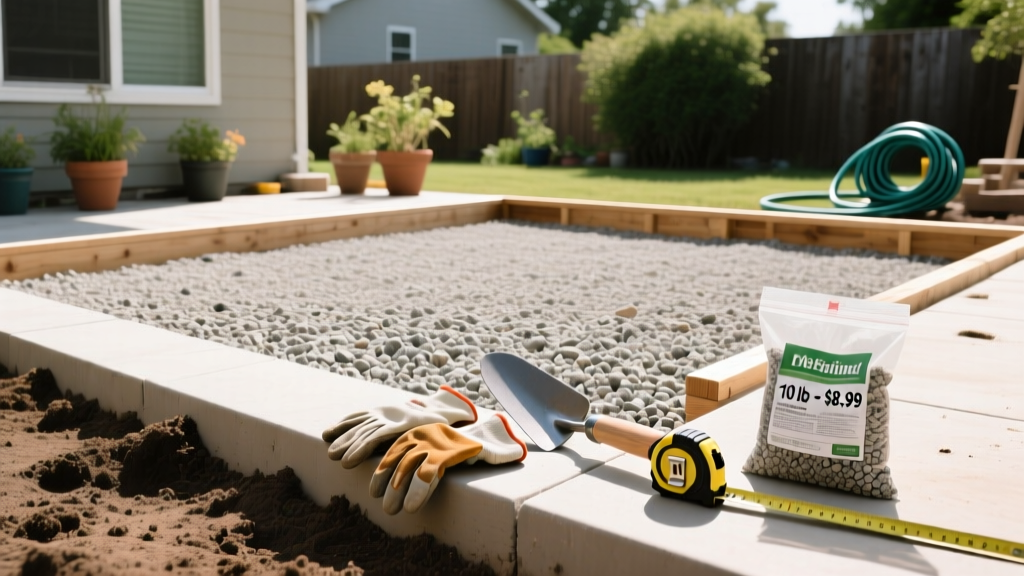
How to Build a Budget DIY Gravel Patio This Weekend
Sarah ChenPublished
Why Choose a Gravel Patio for Your Outdoor Space?
When it comes to budget-friendly DIY landscaping solutions, few projects offer the immediate impact and high return on investment of a gravel patio. Unlike poured concrete or interlocking pavers, which require specialized skills, expensive materials, and heavy machinery, a gravel patio can be completed by a motivated homeowner in a single weekend. Gravel is highly permeable, meaning it naturally manages stormwater runoff and prevents the pooling issues that often plague solid hardscapes.
According to the Environmental Protection Agency (EPA), permeable surfaces like gravel are excellent green infrastructure solutions that reduce stormwater runoff, filter pollutants, and prevent local flooding. By choosing a DIY gravel patio, you are not only saving thousands of dollars in contractor fees but also making an environmentally responsible choice for your property's drainage.
Essential Tools and Materials
Before breaking ground, gather the necessary tools. For a standard 10x10 foot patio, you will need:
- Tools: Flat-edge shovel, steel landscaping rake, tape measure, wooden stakes, mason string, line level, hand tamper (or rented plate compactor), wheelbarrow, utility knife, and heavy-duty work gloves.
- Base Material: Class II road base or crushed limestone with "fines" (stone dust). This locks together when compacted.
- Top Layer: 3/4-inch crushed angular gravel (avoid round pea gravel, which shifts underfoot).
- Weed Barrier: Heavy-duty woven geotextile fabric.
- Edging: Aluminum or heavy-duty poly landscape edging with spikes.
Budget Breakdown: Cost Comparison Table
One of the primary reasons homeowners opt for gravel is the dramatic cost savings. Below is a comparison of estimated material costs for a 100-square-foot patio (10x10 feet).
| Material / Patio Type | Estimated Material Cost | DIY Difficulty Level |
|---|---|---|
| DIY Gravel Patio (Base + Top Layer) | $120 - $180 | Beginner |
| DIY Paver Patio (Sand + Pavers) | $400 - $800 | Intermediate |
| Poured Concrete Patio (Contractor) | $800 - $1,500+ | Advanced / Professional |
Note: Prices vary by region and material availability. Renting a mechanical plate compactor may add $50-$80 to your gravel patio budget but is highly recommended for a professional finish.
Step-by-Step DIY Installation Guide
Step 1: Layout, Slope, and Excavation
The most critical step in any hardscaping project is proper site preparation. Begin by marking the perimeter of your patio with wooden stakes and mason string. Use a line level to ensure your strings are perfectly level side-to-side, but establish a slight slope for drainage. The patio must slope away from your home's foundation at a rate of 1/8 inch per foot (roughly a 1% to 2% grade).
Once the strings are set, excavate the entire area to a depth of 6 inches. This depth accounts for 4 inches of compacted base material and 2 inches of decorative top gravel. Ensure the soil subgrade is relatively flat and sloped correctly before moving on.
Step 2: Installing Perimeter Edging
Gravel is a loose aggregate; without a physical barrier, it will quickly migrate into your lawn or garden beds. Install aluminum or rigid poly landscape edging along the perimeter of your excavated area. Secure the edging every 12 inches using the provided metal spikes, driving them flush with the top of the edging. Ensure the top of the edging sits about half an inch below your final desired gravel height to keep the stones contained while maintaining a clean visual line.
Step 3: Laying the Geotextile Weed Barrier
Do not skip the weed barrier, and never use cheap, solid black plastic sheeting. Plastic traps water, ruins soil health, and tears easily. Instead, invest in a commercial-grade, woven geotextile landscape fabric. According to the University of Florida IFAS Extension, woven geotextile fabrics are significantly more effective at suppressing weeds while allowing vital water permeation and gas exchange in the soil below.
Roll the fabric over the excavated area, overlapping seams by at least 6 inches. Cut the fabric to fit around curves or obstacles using a sharp utility knife, and secure it temporarily with landscape staples.
Step 4: Building and Compacting the Base Layer
The secret to a gravel patio that doesn't develop puddles or sinkholes is a properly compacted base. Shovel 4 inches of Class II road base (crushed stone mixed with stone dust) over the weed barrier. Spread it evenly with a steel landscaping rake.
Lightly mist the base material with a garden hose—dampness helps the stone dust bind the aggregate together. Use a heavy steel hand tamper to compact the base in 2-inch lifts (layers). As noted by the University of Minnesota Extension, proper grading and a compacted aggregate base are critical to preventing frost heave and water pooling, especially in regions with freeze-thaw cycles. If your budget allows, rent a vibratory plate compactor for this step to achieve a concrete-like sub-base.
Step 5: Spreading and Leveling the Top Gravel
Once the base is rock-solid and perfectly sloped, it is time for the decorative layer. Pour 2 inches of 3/4-inch crushed angular gravel over the compacted base. Pro Tip: Always choose angular gravel over round pea gravel. Angular stones have jagged edges that lock together when walked on, creating a stable surface for patio furniture and foot traffic. Round stones roll like ball bearings underfoot.
Rake the top layer smooth, maintaining your 1/8-inch-per-foot slope. Give the top layer a final, light pass with the hand tamper or plate compactor to lock the angular stones into place and secure them against the edging.
Pro Tips for Long-Lasting Results
Expert Landscaping Insight: To prevent your patio furniture from sinking into the gravel, place large, flat flagstones or concrete stepping pads under the legs of your chairs and tables. This distributes the weight and keeps your outdoor living space level and functional.
- Top-Dressing: Over time, some gravel will inevitably be lost to the surrounding landscape or tracked into the yard. Plan to buy an extra 10% of top-layer gravel and store it in a discreet corner of your yard for annual "top-dressing" touch-ups.
- Leaf Management: In the autumn, use a leaf blower on a low setting or a specialized lawn vacuum to remove debris from the gravel. Raking leaves out of loose stone can be tedious and often displaces the gravel itself.
- Pre-Emergent Herbicides: Even with high-quality woven fabric, wind-blown weed seeds can lodge in the top layer of gravel. Applying a granular pre-emergent herbicide in early spring will stop weeds before they germinate, keeping your patio pristine.
Conclusion
Building a DIY gravel patio is one of the most rewarding and budget-friendly landscaping projects you can undertake. By investing a weekend of hard work and a few hundred dollars in quality materials, you can transform a muddy, unusable patch of yard into a beautiful, permeable outdoor living space. Remember that the key to success lies beneath the surface: take your time with the excavation, slope, and base compaction, and your budget gravel patio will provide a stable, weed-free foundation for years of outdoor enjoyment.

