
Landscaping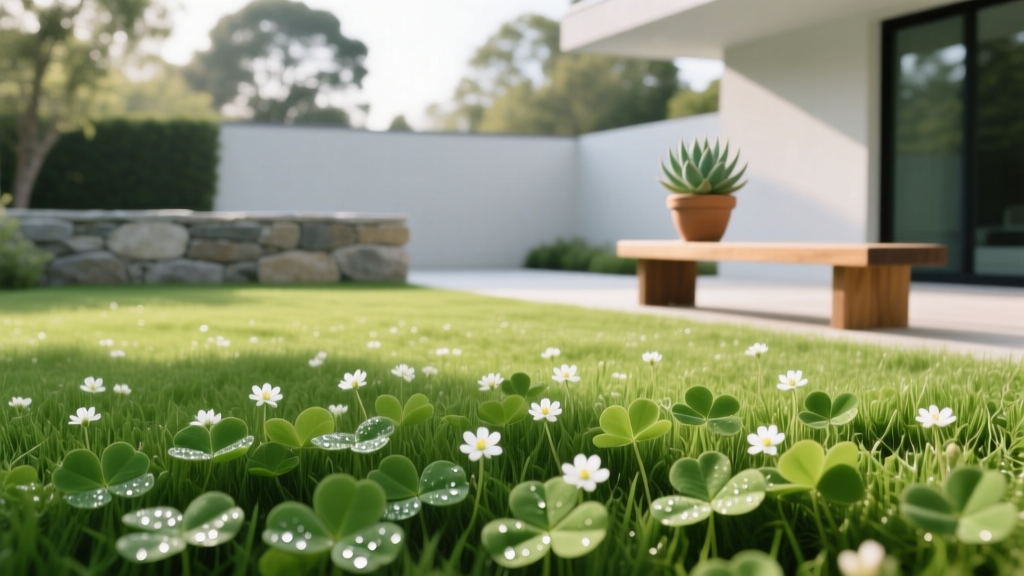
The Viral Micro-Clover Lawn: Benefits, Costs, And Tips
Lisa ThompsonPublished
The Social Media Shift: Why Micro-Clover is Going Viral
If you have spent any time on landscaping TikTok, YouTube Shorts, or Instagram Reels lately, you have likely witnessed a massive shift in curb appeal trends. The perfectly manicured, water-thirsty Kentucky Bluegrass monoculture is out, and sustainable, biodiverse tapestry lawns are in. Leading this viral landscaping revolution is the micro-clover lawn. Millions of homeowners are ditching traditional turf in favor of this lush, low-maintenance, and eco-friendly alternative. But what exactly is driving this viral trend, and more importantly, how can you replicate it in your own yard?
The modern landscaping movement is heavily focused on sustainability, water conservation, and supporting local ecosystems. Micro-clover hits all these notes while providing a beautiful, soft, and durable ground cover. In this comprehensive guide, we will break down the science, the costs, and the step-by-step process of installing your own viral micro-clover lawn.
What Exactly is Micro-Clover?
Micro-clover (Trifolium repens var. Pipolina) is a specially bred dwarf variety of white clover. Unlike the standard Dutch white clover that might pop up in your garden beds, micro-clover features much smaller leaves, grows lower to the ground, and produces far fewer flowers. This makes it an excellent candidate for high-traffic lawn areas where you want the look and feel of traditional grass without the environmental guilt.
One of the most significant benefits of clover is its ability to fix atmospheric nitrogen. According to the University of Minnesota Extension, clover acts as a natural fertilizer, pulling nitrogen from the air and storing it in its root nodules. This means a clover lawn essentially feeds itself and any surrounding grass, eliminating the need for synthetic, petroleum-based fertilizers that can run off into local waterways.
Traditional Turf vs. Micro-Clover: The Data
Before you rip up your existing sod, it is essential to look at the hard data. Below is a comparison chart detailing how a pure micro-clover stand stacks up against traditional Kentucky Bluegrass or Fescue turf.
| Feature | Traditional Turfgrass | Micro-Clover Lawn |
|---|---|---|
| Water Requirements | High (1 to 1.5 inches per week) | Low (Highly drought-tolerant once established) |
| Fertilizer Needs | High (3 to 4 applications per year) | Zero (Fixes its own nitrogen naturally) |
| Mowing Frequency | Weekly during peak growing season | Bi-weekly or monthly (for a manicured look) |
| Drought Tolerance | Poor (Goes dormant and brown quickly) | Excellent (Stays green through dry spells) |
| Pollinator Value | None (Ecological dead zone) | High (Supports native bees and beneficial insects) |
| Average Annual Cost (per 1,000 sq ft) | $50 to $100+ (Water, fertilizer, gas) | $5 to $10 (Minimal water, no fertilizer) |
Step-by-Step Guide to Planting a Viral Clover Lawn
Installing a micro-clover lawn is a highly rewarding weekend project. Whether you are overseeding an existing patchy lawn or doing a complete renovation, precision and timing are everything.
Step 1: Timing and Site Preparation
The best time to plant micro-clover is in the early fall (mid-August to late September) when soil temperatures are still warm, but the scorching summer heat has passed. Early spring (April) is your second-best window.
- For a Complete Renovation: Use a sod cutter or organic herbicide to kill the existing grass. Till the top two inches of soil, rake it completely smooth, and remove all debris and rocks.
- For Overseeding: Mow your existing grass as short as possible (down to about 1.5 inches). Dethatch the lawn aggressively and aerate it to ensure the clover seeds make direct contact with the soil.
Step 2: Seed Selection and Sowing Rates
Not all clover is created equal. Avoid cheap, generic white clover seeds from big-box hardware stores, as they will grow too tall and flower too heavily. Look for specific micro-clover or miniclover brands like Outsidepride Miniclover or Jonathan Green Clover Lawn Seed.
Sowing Rates:
- Pure Clover Stand: 1 to 2 pounds of seed per 1,000 square feet.
- Overseeding into Existing Grass: 0.5 to 1 pound of seed per 1,000 square feet (aiming for a 5% to 10% clover mix in your turf).
Pro-Tip: Clover seeds are incredibly tiny. Mix your seed with dry masonry sand at a 1:3 ratio before broadcasting. This adds bulk, making it much easier to spread evenly with a rotary spreader.
Step 3: Raking and Watering
Clover seed must not be buried deep. Lightly rake the seeded area to a depth of no more than 1/8 to 1/4 of an inch. Alternatively, simply roll the area with a lawn roller to press the seed firmly into the soil. Water the area lightly two to three times a day for the first 10 to 14 days to keep the top layer of soil consistently moist. Germination typically occurs within 7 to 15 days.
Addressing the Viral Myths: Bees, Stains, and Pets
As with any viral trend, misinformation spreads just as fast as the clover itself. Let us address the most common concerns homeowners have before making the switch.
Will I Get Stung by Bees?
Standard white clover produces large, nectar-rich flowers that attract honeybees, which can be a concern for bare feet. However, micro-clover produces significantly fewer flowers, and if you mow it at a standard height of 2.5 to 3 inches, the mower will easily clip off any flower heads before they bloom. Furthermore, the Xerces Society notes that creating safe havens for native pollinators is crucial for ecological health, and clover lawns provide an excellent, low-risk foraging ground.
Does Clover Stain Clothes?
Yes, traditional clover grass stains can be stubborn on denim and cotton. However, because micro-clover has smaller, less fibrous leaves and is often mixed with tough turfgrasses like tall fescue, the staining issue is drastically reduced compared to wild clover patches.
Is it Safe for Dogs?
Micro-clover is incredibly pet-friendly. Unlike traditional grass, which burns and yellows when exposed to the high nitrogen content in dog urine, clover is highly resistant to urine spots. It is also non-toxic and provides a soft, cooling surface for paws during the summer months.
The 5-Year Cost Breakdown and ROI
While the upfront cost of high-quality micro-clover seed might seem steep compared to cheap grass seed, the return on investment is undeniable. A pound of premium micro-clover seed costs between $25 and $35, which covers about 1,000 square feet for a pure stand. For an average 5,000 square foot yard, your initial seed investment will be around $150.
Compare this to a traditional lawn, which requires annual aeration ($150), synthetic fertilizers ($100+ per year), and heavy summer irrigation (adding hundreds to your water bill). According to landscaping industry data and insights from the Penn State Extension, reducing turfgrass inputs not only saves homeowners significant money over a five-year period but also drastically reduces the carbon footprint associated with lawn maintenance equipment and chemical production. By year two, your micro-clover lawn will have entirely paid for itself in water and fertilizer savings.
Final Thoughts on the Tapestry Lawn Trend
The viral micro-clover lawn is not just a fleeting internet fad; it represents a fundamental shift in how we interact with our outdoor spaces. By embracing sustainable landscaping practices, you can achieve a stunning, lush yard that requires a fraction of the labor, water, and chemicals of a traditional lawn. Whether you choose to overseed your current turf or start from scratch, micro-clover offers a practical, beautiful, and environmentally responsible solution for the modern homeowner.

