
Landscaping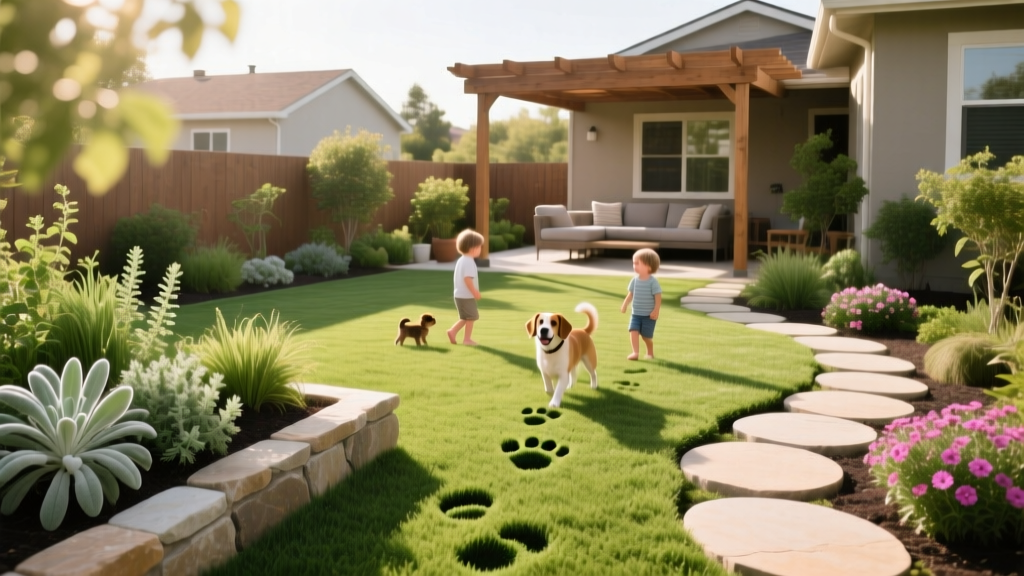
Pet-Friendly Landscaping: Safe Plants, Durable Turf & Zoning
Robert HayesPublished
Designing a Landscape for Paws and Play
Creating a beautiful, functional outdoor space when you have active dogs and children requires a strategic approach to landscaping. The traditional manicured lawn and delicate flower beds often fall victim to digging, heavy foot traffic, and pet urine. However, by implementing pet-friendly landscaping principles, you can cultivate a vibrant, durable yard that serves as a safe haven for your entire family. This guide explores the best turfgrass options, non-toxic plant selections, and structural zoning techniques to build a resilient outdoor environment.
Selecting Durable, Pet-Resistant Turfgrass
The foundation of any family-friendly yard is the groundcover. Dogs running at full speed and children playing tag will quickly turn weak grass into a muddy quagmire. When selecting a turfgrass, you must prioritize wear tolerance, rapid recovery rates, and drought resistance. According to turf experts at the University of Minnesota Extension, cool-season and warm-season grasses offer varying levels of durability depending on your climate zone.
For northern climates, Tall Fescue is a top-tier choice due to its deep root system and excellent wear tolerance. In southern regions, Bermudagrass and Zoysia provide a dense, carpet-like surface that heals quickly from divots caused by digging paws. Alternatively, many pet owners are turning to Microclover blends. Clover is naturally resistant to the nitrogen burns caused by dog urine, requires less mowing, and stays green during mild droughts.
Turfgrass Comparison Chart for Active Yards
| Grass Type | Climate Zone | Wear Tolerance | Urine Resistance | Maintenance Level |
|---|---|---|---|---|
| Tall Fescue | Cool / Transitional | High | Moderate | Moderate |
| Bermudagrass | Warm | Very High | Low | High |
| Zoysia | Warm / Transitional | High | Low | Low to Moderate |
| Microclover Blend | Cool / Transitional | Moderate | Very High | Low |
Note: To mitigate urine burns on traditional grass, immediately dilute the affected area with two gallons of water from a hose or watering can within eight hours of your pet relieving itself.
Navigating Plant Toxicity and Safe Alternatives
A critical aspect of family-friendly landscaping is ensuring that your plant palette is non-toxic. Dogs, especially puppies, are notorious for chewing on leaves, digging up roots, and ingesting fallen seeds. The ASPCA's Toxic and Non-Toxic Plants database highlights several common landscape staples that pose severe health risks to pets.
Common Toxic Plants to Avoid
- Sago Palm: All parts are highly toxic, with seeds containing the highest concentration of cycasin, which can cause fatal liver failure.
- Oleander: Ingesting even a single leaf can cause severe cardiovascular issues and gastrointestinal distress.
- Azaleas and Rhododendrons: Contain grayanotoxins, which can induce vomiting, drooling, and potentially fatal drops in blood pressure.
- Lily of the Valley: Contains cardiac glycosides that can lead to irregular heartbeats and seizures.
- Yew: Often used as a privacy hedge, the needles and seeds are highly poisonous to both dogs and horses.
Pet-Safe Landscaping Alternatives
You do not have to sacrifice color and texture to maintain a safe yard. Consider integrating these robust, non-toxic alternatives:
- Snapdragons (Antirrhinum): Vibrant, sturdy, and completely safe for curious snouts.
- Astilbe: Provides beautiful, feathery plumes that thrive in the shaded areas where dogs often seek refuge on hot days.
- Bamboo (Non-invasive clumping varieties): Excellent for creating privacy screens without the toxicity of Yew. Ensure you choose Fargesia species to prevent aggressive spreading.
- Sunflowers: Sturdy, non-toxic, and they add vertical interest while being resilient enough to withstand mild brushing from passing pets.
Furthermore, avoid using toxic slug and snail baits containing metaldehyde, which is lethal to dogs even in small quantities. Opt for iron phosphate-based baits instead, which are safe for pets, wildlife, and the surrounding soil ecosystem.
Strategic Yard Zoning for Active Pets
Rather than expecting your entire lawn to withstand the brunt of pet activity, divide your yard into distinct functional zones. This landscaping technique preserves your aesthetic focal points while giving your pets designated areas for their natural behaviors.
The Perimeter Running Track
Dogs are natural patrol animals. They will instinctively create a running path along the fence line, which inevitably kills the grass and turns the perimeter into a muddy trench. Embrace this behavior by formalizing the path. Install a 2-to-3-foot-wide border of flagstone, decomposed granite, or large river rock (at least 2 inches in diameter to prevent ingestion and paw-sticking). Decomposed granite (DG) is an excellent, cost-effective material for these paths, typically running $40 to $60 per ton. When compacted, it forms a firm, permeable surface that drains well and feels natural underfoot. Ensure you install a steel or aluminum edging border to keep the DG from migrating into your garden beds.
The Designated Relief Zone
Train your dog to use a specific area of the yard for bathroom breaks to save your primary turf. A well-designed potty zone should be located in a discreet, shaded area with excellent drainage.
Pro Tip: Use 3/8-inch pea gravel or cedar mulch for the relief zone. Avoid cocoa bean mulch at all costs, as its sweet, chocolate-like aroma attracts dogs, but it contains theobromine, which is highly toxic. A 4-inch layer of pea gravel over landscape fabric and a 2-inch base of crushed drainage rock costs approximately $50 to $80 per cubic yard and allows urine to drain rapidly while minimizing odors.
Hardscaping, Mulch, and Fencing Safety
The structural elements of your landscape must be as safe as the living elements. When selecting hardscaping materials, consider thermal conductivity. Dark-colored slate, brick, and asphalt can reach temperatures exceeding 140°F on a sunny 90°F day, which is more than enough to blister a dog's paw pads. Opt for lighter-colored concrete pavers, natural limestone, or shaded wood decking to keep the ground cool.
Safe Pest and Weed Control
Maintaining a pristine yard often tempts homeowners to use chemical herbicides and pesticides. However, these products can be hazardous to children and pets who play on the grass and subsequently lick their paws. The Environmental Protection Agency (EPA) strongly advises caution when applying pest control products in households with animals. Transition to organic lawn care practices: use corn gluten meal for pre-emergent weed control, apply milky spore to combat Japanese beetle grubs, and utilize neem oil for targeted insect management. Always read the label instructions regarding re-entry intervals (REI). If you must use a synthetic fertilizer or treatment, keep pets and children off the lawn until the product has been thoroughly watered in and the grass blades are completely dry.
Fortifying Your Fencing
A secure boundary is non-negotiable for family and pet safety. Standard chain-link or wooden privacy fences must be tailored to your specific dog's athletic abilities.
- Height Requirements: Small to medium dogs generally require a 4-foot fence, while athletic breeds like Huskies, German Shepherds, and Border Collies need a minimum height of 6 feet.
- Dig-Guards: For escape artists prone to digging, install an L-footer. Bury chicken wire or hardware cloth 12 inches deep, bending it outward at a 90-degree angle away from the yard. Cover the buried wire with soil and river rock to prevent rusty metal from harming paws.
- Gap Prevention: Ensure the clearance between the bottom of the fence and the ground is no more than 2 inches to prevent small dogs and toddlers from rolling underneath.
Conclusion: A Harmonious Outdoor Space
Achieving a pet-friendly and family-safe landscape does not mean compromising on beauty. By selecting resilient turfgrasses like Tall Fescue or Microclover, curating a non-toxic plant palette, and implementing smart yard zoning, you can create an outdoor sanctuary that withstands the joyful chaos of family life. Prioritize safety in your hardscaping and pest control choices, and your yard will remain a lush, secure haven for years to come.

