
Landscaping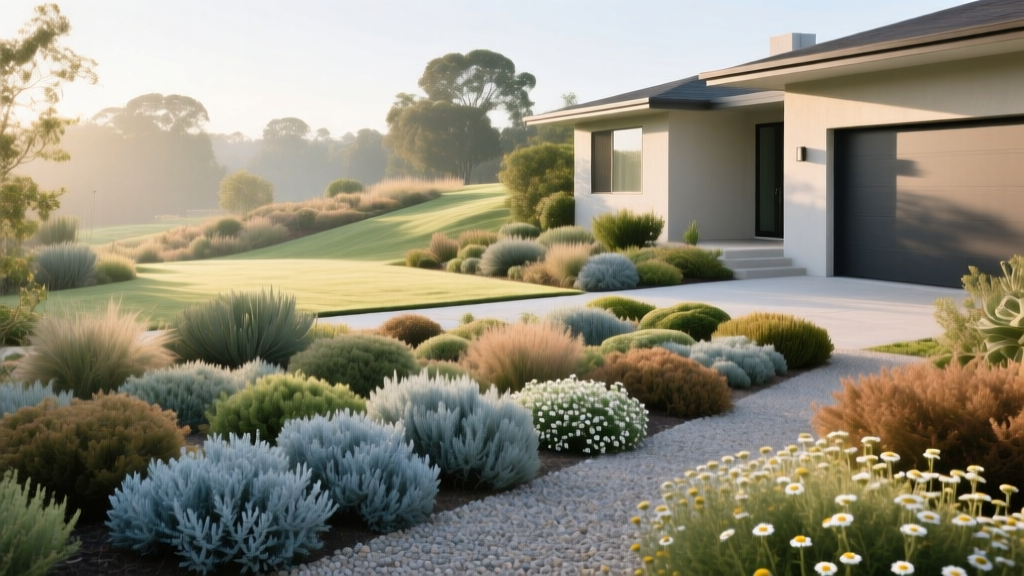
Drought-Tolerant Groundcovers: Replace Thirsty Turfgrass
David ParkPublished
The Hidden Cost of Thirsty Turfgrass
For decades, the sprawling, emerald-green Kentucky Bluegrass or Bermuda grass lawn has been the undisputed standard of suburban curb appeal. However, as climate patterns shift and water scarcity becomes a pressing global issue, the traditional turfgrass lawn is increasingly viewed as an ecological and financial liability. According to the Environmental Protection Agency (EPA), the average American family uses roughly 320 gallons of water per day, and nearly 30% of that is dedicated to outdoor uses. In arid and drought-prone regions, outdoor water use can account for up to 60% of a household's total daily consumption, with the vast majority being squandered on irrigating non-native, shallow-rooted turfgrasses.
Maintaining a pristine traditional lawn requires not only immense volumes of water but also a relentless cycle of mowing, edging, aerating, and applying synthetic fertilizers. For homeowners in USDA Hardiness Zones 7 through 10, where summer temperatures routinely exceed 95°F and rainfall is scarce, keeping turfgrass alive is an uphill battle against nature. This has led to a massive surge in interest regarding xeriscaping and sustainable landscape design.
Why Transition to Drought-Tolerant Groundcovers?
The Colorado State University Extension outlines seven core principles of xeriscaping, with "limiting turf area" and "using drought-tolerant plants" sitting at the top of the list. Replacing thirsty turf with low-water groundcovers does not mean sacrificing a lush, green, or textured landscape. Modern drought-tolerant groundcovers offer dense soil coverage, weed suppression, and erosion control while requiring a fraction of the water and virtually zero mowing.
By transitioning to living mulches and creeping perennials, homeowners can reduce their outdoor water consumption by up to 70%. Furthermore, these alternatives provide crucial habitat for native pollinators, improve soil biology, and eliminate the need for gas-powered lawn equipment, drastically reducing your landscape's carbon footprint.
Top 4 Drought-Tolerant Turf Alternatives
When selecting a groundcover to replace turfgrass, it is vital to consider the microclimate of your yard, including sun exposure, soil drainage, and desired foot traffic tolerance. Here are four premier drought-tolerant groundcovers that excel in water-wise landscapes.
1. Creeping Thyme (Thymus serpyllum)
Creeping thyme is a woody, low-growing perennial that forms a dense, fragrant mat. It thrives in full sun and well-draining, even poor, soils. Growing only 2 to 4 inches tall, it produces tiny pink, purple, or white flowers in early summer that attract bees. While it can handle light foot traffic, it is best suited for slopes, between stepping stones, or in ornamental front yards where heavy play is not expected.
- Water Needs: Very low once established (water deeply every 10-14 days in peak summer).
- Planting Cost: Approximately $15 to $25 per flat of 72 plugs.
- Spacing: Plant plugs 8 to 12 inches apart for full coverage within one growing season.
2. Kurapia (Phyla nodiflora / Lippia)
Kurapia is a highly versatile, deep-rooted perennial that has taken the sustainable landscaping world by storm. Originally developed in Japan, this sterile cultivar of Lippia nodiflora boasts roots that can reach up to 5 feet deep, allowing it to access subterranean moisture unavailable to turfgrass. It stays remarkably green with minimal irrigation and can tolerate moderate foot traffic, making it a genuine lawn replacement for recreational areas.
- Water Needs: Low to moderate (requires 50-60% less water than tall fescue or bluegrass).
- Planting Cost: $75 to $95 per flat of 72 plugs (premium pricing due to high demand and patented status).
- Spacing: Plant 12 to 18 inches apart; it spreads aggressively via stolons.
3. Stonecrop (Sedum spurium or Sedum album)
For areas where foot traffic is strictly prohibited and soil quality is exceptionally poor, creeping sedums are the ultimate solution. As succulents, they store water in their fleshy leaves, making them virtually indestructible during severe droughts. Sedum spurium 'John Creech' offers a beautiful carpet of scalloped green leaves that turn bronze in the autumn, while Sedum album provides a textured, moss-like appearance.
- Water Needs: Extremely low (survives on natural rainfall in most zones once established).
- Planting Cost: $20 to $30 per flat.
- Spacing: Plant 6 to 10 inches apart.
4. Microclover (Trifolium repens var. 'Pirouette')
If you desire the traditional look of a soft, green, walkable lawn without the water and chemical demands, microclover is an exceptional choice. Unlike standard white clover, microclover has smaller leaves, grows lower to the ground, and produces fewer flowers. As a legume, it fixes its own nitrogen from the atmosphere, eliminating the need for synthetic fertilizers entirely.
- Water Needs: Moderate (requires more water than sedum but 30-40% less than traditional turfgrass to stay green).
- Planting Cost: $30 to $45 per pound of seed (covers 1,000 square feet).
- Spacing: Broadcast seed at a rate of 1 to 2 pounds per 1,000 square feet.
Comprehensive Groundcover Comparison Chart
Use the table below to compare the key metrics of these drought-tolerant alternatives to determine which best fits your landscape architecture and budget.
| Plant Name | Hardiness Zones | Sun Exposure | Water Needs | Foot Traffic | Est. Cost (per 100 sq ft) |
|---|---|---|---|---|---|
| Creeping Thyme | 4 - 9 | Full Sun | Very Low | Light | $25 - $35 |
| Kurapia (Lippia) | 7 - 10 | Full Sun / Part Shade | Low | Moderate / High | $100 - $130 |
| Stonecrop (Sedum) | 3 - 9 | Full Sun | Extremely Low | None | $30 - $45 |
| Microclover | 3 - 10 | Sun / Part Shade | Moderate | Moderate / High | $5 - $10 (Seed) |
Step-by-Step Lawn Replacement Strategy
Successfully replacing an established lawn requires careful preparation. Simply tilling under existing grass will result in a massive weed problem and the resurgence of invasive turf rhizomes. Follow this actionable protocol for a clean transition.
Phase 1: Turf Eradication (Sheet Mulching)
The most eco-friendly and soil-building method of lawn removal is sheet mulching, also known as the "lasagna method." Begin by mowing the existing grass as short as possible. Next, lay down overlapping sheets of plain, uncoated cardboard directly over the turf, ensuring there are no gaps. Wet the cardboard thoroughly. Finally, cover the cardboard with 3 to 4 inches of arborist wood chips or a mix of compost and topsoil. Leave this in place for 8 to 12 weeks. The grass underneath will decompose, enriching the soil with organic matter while suffocating the turf.
Phase 2: Soil Preparation and Amendment
Unlike traditional lawns that demand rich, loamy soil, most xeriscape groundcovers (like thyme and sedum) prefer lean, well-draining conditions. As noted by the University of California Agriculture and Natural Resources, over-amending native soil for drought-tolerant plants can actually lead to root rot and excessive, weak vegetative growth. If your soil is heavy clay, incorporate 1 inch of pumice or crushed gravel to improve drainage, but avoid heavy applications of nitrogen-rich compost.
Phase 3: Planting and Mulching
When planting plugs, use a staggered grid pattern to ensure rapid, even coverage. Dig holes slightly wider than the plug's root ball. After planting, apply a 2-inch layer of inorganic mulch, such as decomposed granite (DG) or pea gravel, around the plants. Inorganic mulch is highly recommended for succulents and Mediterranean herbs like thyme, as it reflects heat, prevents fungal issues at the plant's crown, and allows water to penetrate immediately without harboring moisture-loving weeds.
Irrigation Transition and Long-Term Maintenance
The most critical mistake homeowners make when installing drought-tolerant groundcovers is treating them like established xeriscape plants on day one. New plugs have small, shallow root systems and require a structured establishment watering schedule.
- Days 1 to 30: Water lightly every 2 to 3 days to keep the top 2 inches of soil moist. Use a temporary drip line or a gentle sprinkler setting.
- Days 30 to 60: Reduce frequency to once a week, but increase the duration to encourage roots to grow deeper into the soil profile.
- Day 60 and Beyond: Transition to deep, infrequent watering. Water once every 14 to 21 days during the peak of summer. In coastal or mild climates, natural winter and spring rainfall may be sufficient to sustain the plants year-round without supplemental irrigation.
To maximize efficiency, cap off traditional pop-up spray heads and convert your irrigation zones to subsurface drip lines (such as Netafim) or inline drip tubing. This delivers water directly to the root zone, eliminating evaporative loss and preventing the germination of surface weed seeds.
Financial ROI and Environmental Impact
While the upfront cost of purchasing flats of Kurapia or Creeping Thyme is higher than a $50 bag of grass seed, the return on investment is realized rapidly through utility savings and reduced maintenance labor. A standard 1,000-square-foot Kentucky Bluegrass lawn in a dry climate can consume upwards of 30,000 to 40,000 gallons of water annually. By replacing it with a drought-tolerant alternative, you can slash that number to under 5,000 gallons.
Furthermore, you eliminate the costs associated with lawn care: no more weekly mowing, seasonal aeration, thatch removal, or purchasing synthetic herbicides and fertilizers. Within two to three growing seasons, the water and maintenance savings will completely offset the initial installation costs, leaving you with a resilient, ecologically beneficial landscape that thrives in harmony with your local climate rather than fighting against it.

