
Landscaping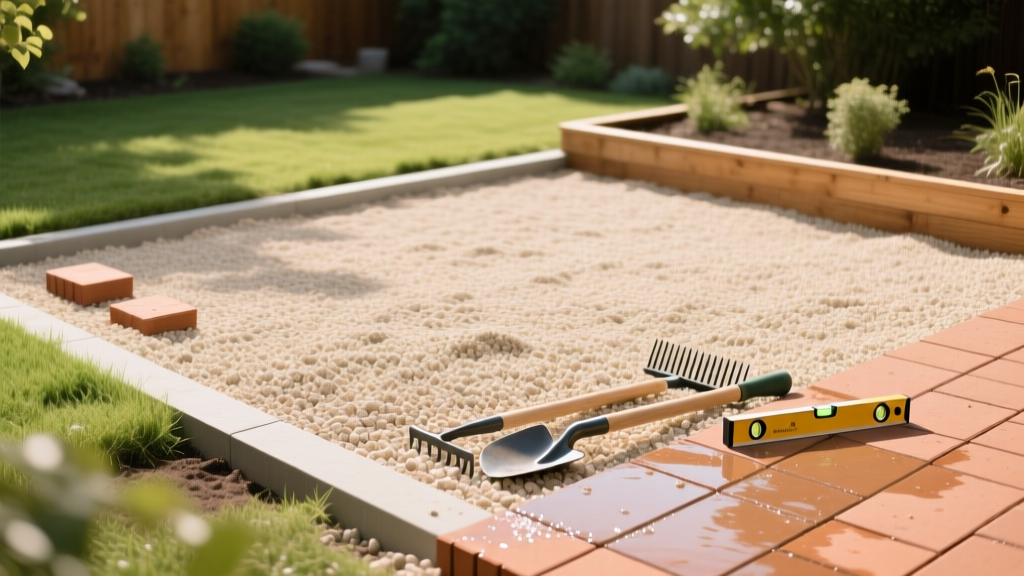
How to Build a Budget-Friendly DIY Gravel Patio Fast
Robert HayesPublished
Why Choose a Gravel Patio for Your Landscape?
When it comes to transforming your outdoor living space, hardscaping projects often come with a hefty price tag. Traditional materials like poured concrete or interlocking pavers require specialized tools, extensive base preparation, and professional masonry skills. For homeowners looking to maximize curb appeal and functionality without draining their savings, a DIY gravel patio is the ultimate budget-friendly solution.
A gravel patio offers a rustic, permeable, and highly customizable surface that can be installed in a single weekend. Beyond the immediate cost savings, gravel patios are excellent for yard drainage. According to the Environmental Protection Agency (EPA), utilizing permeable surfaces in residential landscaping significantly reduces stormwater runoff, prevents soil erosion, and helps replenish local groundwater tables. By choosing gravel, you are not only saving money but also making an environmentally sustainable choice for your property.
Cost Comparison: Gravel vs. Traditional Hardscaping
Before diving into the installation process, it is essential to understand the financial benefits of choosing gravel. The table below outlines the average material and installation costs for a standard 10x10 foot (100 square foot) patio area.
| Hardscape Material | Avg. Cost (Per Sq. Ft.) | Total Cost (100 Sq. Ft.) | DIY Difficulty | Expected Lifespan |
|---|---|---|---|---|
| Poured Concrete | $8.00 - $12.00 | $800 - $1,200 | High (Requires forming & finishing) | 25-30 Years |
| Concrete Pavers | $10.00 - $20.00 | $1,000 - $2,000 | Medium-High (Requires precise cutting) | 20-25 Years |
| Crushed Gravel | $1.00 - $3.00 | $100 - $300 | Low-Medium (Basic labor) | 10-15 Years |
As demonstrated, a gravel patio costs a fraction of traditional hardscaping. Even when factoring in the rental of a plate compactor and the purchase of premium landscape edging, the total project cost rarely exceeds $400 for a standard-sized space.
Essential Tools and Materials
To ensure your patio withstands heavy foot traffic and weather fluctuations, you must select the correct materials. Do not use smooth river rock or pea gravel; these rounded stones shift constantly underfoot and create an unstable walking surface.
Materials List
- 3/4-Inch Minus Crushed Limestone or Granite: The term 'minus' means the gravel includes stone dust and smaller particles. When compacted, this dust acts as a binder, locking the larger stones together into a nearly concrete-like surface.
- Heavy-Duty Woven Geotextile Fabric: This is your weed barrier. Woven fabric allows water to drain through while blocking sunlight and preventing aggressive weeds from penetrating the patio base.
- Steel or Aluminum Landscape Edging (4-inch height): This creates a rigid border that prevents the gravel from migrating into your lawn or garden beds over time.
- Edging Stakes and Hardware: Minimum 10-inch steel stakes to secure the edging deeply into the subsoil.
Tool List
- Spade and flat-edged trenching shovel
- Steel landscape rake
- Hand tamper (for small areas) or rented vibratory plate compactor (highly recommended for areas over 50 sq. ft.)
- Mason string line and line level
- Tape measure and landscaping spray paint
- Work gloves and safety goggles
Step-by-Step Installation Guide
Step 1: Planning and Marking the Area
Begin by defining the exact footprint of your patio. Use landscaping spray paint to mark the perimeter. If your patio is adjacent to your home's foundation, you must plan for proper water runoff. The University of Minnesota Extension emphasizes that all hardscaping and grading near a foundation must slope away from the house to prevent basement flooding and structural water damage. Plan for a minimum slope of 1/8 to 1/4 inch per linear foot away from any structures.
Step 2: Excavation and Grading
Using a flat-edged shovel, excavate the marked area to a depth of 4 to 5 inches. This depth accounts for the 3 to 4 inches of gravel plus the thickness of your geotextile fabric. As you dig, periodically check your slope using a mason string tied to stakes at the corners of your excavation. Place a line level on the string to ensure you are maintaining your 1/4-inch-per-foot drop. Once excavated, use a hand tamper to firmly compact the bare soil sub-base. This prevents the patio from sinking unevenly in the future.
Step 3: Laying the Weed Barrier
Roll out your heavy-duty woven geotextile fabric over the compacted soil. Overlap adjacent sheets of fabric by at least 6 inches to prevent weeds from finding a gap. Run the fabric slightly up the sides of your excavated trench; you will trim the excess later. Note: Never use cheap, non-woven plastic sheeting, as it will trap water, create a muddy mess beneath your gravel, and eventually tear under the pressure of the stones.
Step 4: Installing the Edging
Before adding the gravel, install your metal landscape edging along the perimeter. Position the edging so that the top lip will sit roughly 1/2 inch above the final desired gravel level. This lip acts as a barrier to keep stones from kicking out onto the lawn when walked on or mowed near. Drive the 10-inch steel stakes through the edging loops and deep into the ground using a mallet, spacing them no more than 4 feet apart for maximum stability. Trim the excess geotextile fabric with a utility knife so it sits just inside the edging.
Step 5: Spreading and Tamping the Gravel
Order your 3/4-inch minus gravel from a local landscape supply yard (they can calculate the exact tonnage based on your square footage and a 3-inch depth). Dump the gravel in small piles across the patio area and spread it evenly with a steel landscape rake to a depth of about 3 inches.
Once leveled, it is time to compact. If you are using a rented vibratory plate compactor, make at least three passes over the entire surface, overlapping each pass slightly. The vibration forces the stone dust into the voids between the larger stones, creating a rigid, interlocking matrix. If you are using a hand tamper, be prepared for a strenuous workout; tamp the entire area repeatedly until the surface feels solid and leaves no footprints when walked on.
Pro Tip: Lightly mist the gravel with a garden hose before tamping. The moisture helps the stone dust activate and bind the aggregate together, significantly reducing the amount of dust kicked up during the compaction process.
Troubleshooting Common Gravel Patio Issues
Even with careful installation, budget-friendly DIY projects can encounter minor hiccups. Here is how to address the most common gravel patio issues:
- Water Pooling: If water pools after a heavy rain, your base grade is insufficient. Rake the gravel to the side, add a 1-inch layer of coarse base rock to build up the low spot, re-tamp, and replace your top layer of crushed gravel.
- Gravel Migration: If stones are escaping into the lawn, your edging stakes may have shifted due to frost heave. Hammer the stakes deeper and consider adding a secondary border of decorative landscape boulders or brick pavers on the outside of the metal edging.
- Weed Intrusion: If weeds appear, they are likely blown in from surrounding soil rather than growing through the fabric. Apply a natural, horticultural vinegar-based weed killer to the surface, and ensure adjacent garden beds are heavily mulched to prevent soil splash-back.
Maintenance on a Budget
One of the greatest advantages of a gravel patio is its minimal maintenance requirements. Unlike wood decks that require annual staining or concrete that needs crack-sealing, gravel simply needs occasional raking to keep the surface level and visually appealing. Once a year, use a stiff-bristled push broom or a leaf blower to clear away autumn leaves and organic debris, which can break down into compost and encourage weed growth.
Every 3 to 4 years, you may notice the gravel layer thinning due to natural settling and minor displacement. Topping off the patio with a fresh half-inch layer of 3/4-inch minus gravel will restore its pristine look and structural integrity for less than $50. By following these budget-friendly DIY solutions, you can create a stunning, functional outdoor living space that aligns perfectly with sustainable landscaping practices and respects your home improvement budget.
For more insights on integrating hardscaping with sustainable yard designs, the National Association of Landscape Professionals offers extensive resources on balancing permeable surfaces with native plant garden beds to create cohesive, eco-friendly outdoor environments.

