Gardening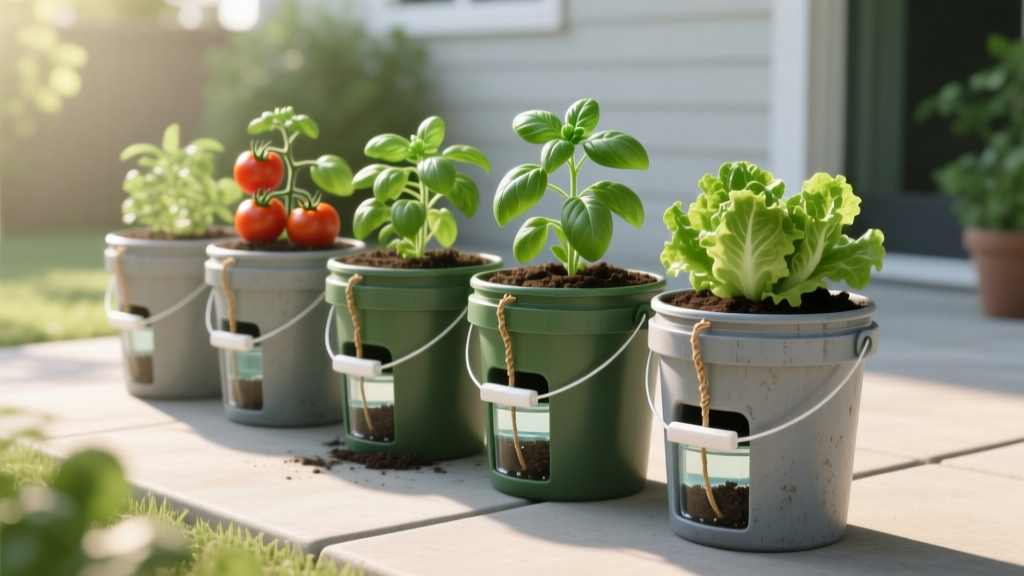
Budget DIY Self-Watering Container Garden Using Buckets
Mike RodriguezPublished
Container gardening is one of the most accessible ways to grow fresh vegetables, herbs, and flowers, especially for urban dwellers or those with limited yard space. However, traditional terracotta or plastic pots require constant vigilance. On a hot summer day, a standard container can dry out completely in a matter of hours, leading to plant stress, blossom end rot in tomatoes, and stunted growth. Commercial self-watering planters solve this problem, but they often come with a premium price tag that can easily exceed $50 to $100 per unit. For the budget-conscious gardener, there is a highly effective, incredibly cheap alternative: building your own sub-irrigated planters (SIPs) using upcycled 5-gallon buckets.
The Appeal of Sub-Irrigated Planters (SIPs)
A sub-irrigated planter operates on the principle of capillary action. Instead of watering from the top down, a reservoir at the bottom of the container holds water. A wicking mechanism draws moisture upward into the soil and directly to the plant's root zone. This method mimics the natural water table, encouraging deep, robust root growth while virtually eliminating the risk of overwatering or underwatering. According to the Environmental Protection Agency (EPA), outdoor water use accounts for nearly 30% of total household water consumption, much of which is lost to evaporation. SIPs drastically reduce evaporation since the water is enclosed, making them an eco-friendly and budget-friendly choice.
Cost Breakdown: Commercial vs. DIY Bucket SIP
When scaling up a container garden to grow a meaningful amount of produce, costs can spiral quickly. Below is a comparison of outfitting a small patio garden with five containers using commercial options versus our DIY 5-gallon bucket method.
| Item | Commercial SIP (5 Units) | DIY 5-Gallon Bucket SIP (5 Units) |
|---|---|---|
| Base Containers | $250.00 ($50/each) | $10.00 ($2/each or free if upcycled) |
| Wicking/Reservoir Materials | Included | $15.00 (PVC, fabric, net cups) |
| Potting Mix (10 cu ft) | $60.00 | $45.00 (DIY blend) |
| Total Estimated Cost | $310.00 | $70.00 |
By utilizing food-grade buckets sourced from local bakeries, delis, or hardware stores, you can slash your infrastructure costs by over 75%. This leaves more room in your budget for high-quality seeds, compost, and organic fertilizers.
Materials and Tools Needed
To build a single DIY self-watering bucket, you will need the following materials. Most of these can be found at a local hardware store or repurposed from household items.
- One 5-Gallon Bucket: Ensure it is food-grade (look for the #2 plastic recycling symbol and a cup-and-fork logo). Avoid buckets that previously held toxic chemicals.
- One 1-Gallon Plastic Nursery Pot: This will act as the soil basket and wicking chamber. It must fit inside the 5-gallon bucket, suspending about 3 inches from the bottom.
- One 1-Inch PVC Pipe (24 inches long): This serves as the water fill tube.
- Landscape Fabric or Burlap: To line the soil basket and prevent soil from washing into the reservoir.
- Drill with Hole Saws: A 1-inch hole saw (for the PVC pipe) and a 2-to-3-inch hole saw (for the bottom of the nursery pot).
- Drill Bits: A 1/4-inch bit for aeration and drainage holes.
Step-by-Step Construction Guide
Step 1: Prepare the Wicking Basket
Take your 1-gallon nursery pot and drill a large 2-to-3-inch hole in the very center of the bottom. This is where the soil will make direct contact with the water reservoir, acting as the primary wick. Next, drill several 1/4-inch holes around the sides and bottom of the nursery pot to allow for additional water uptake and root aeration.
Step 2: Create the Reservoir Support
The nursery pot needs to sit suspended above the bottom of the 5-gallon bucket to create a water reservoir. If the nursery pot has a wide lip, it may naturally rest on the inner rim of the 5-gallon bucket. If it sits too low, you can drill small holes near the top rim of the 5-gallon bucket and use zip-ties or wooden dowels to create a support ledge for the nursery pot to rest upon. The bottom of the nursery pot should be roughly 3 to 4 inches above the bottom of the 5-gallon bucket.
Step 3: Install the Fill Tube and Overflow Drain
Using your 1-inch hole saw, drill a hole in the side of the 5-gallon bucket, about 1 inch from the bottom. Insert the 24-inch PVC pipe through this hole so it angles downward into the bottom reservoir space. Seal the gap with silicone if desired, though a tight fit usually suffices. Next, drill a 1/4-inch overflow hole on the opposite side of the bucket, exactly 1/2-inch below the bottom of the suspended nursery pot. This critical step ensures that if it rains heavily, the reservoir will drain out the side rather than flooding the soil chamber and drowning your plant's roots.
Step 4: Line the Basket and Add Soil
Line the inside of the suspended nursery pot with landscape fabric, pushing it down through the large center hole so it dangles into the reservoir area. This fabric acts as a secondary wick and prevents soil particles from clogging the water chamber. Fill the nursery pot and the surrounding space in the 5-gallon bucket with your chosen potting mix. Water heavily from the top initially to settle the soil and activate the wicking process.
The Science of the Soil Mix
You cannot use heavy garden soil or topsoil in a sub-irrigated planter. Garden soil will compact, suffocate roots, and fail to wick moisture properly. According to experts at Penn State Extension, a lightweight, well-draining, yet moisture-retentive mix is vital for container success. For a DIY SIP, a modified Mel's Mix (from the Square Foot Gardening method) works exceptionally well:
- 1/3 Peat Moss or Coco Coir: Provides excellent moisture retention and wicking capabilities.
- 1/3 Coarse Vermiculite: Keeps the mix light, aerated, and holds onto nutrients.
- 1/3 Blended Compost: Offers a slow-release, organic source of essential macro and micronutrients.
Mix these components thoroughly in a wheelbarrow before filling your buckets. Because the compost provides the baseline nutrition, you will only need to supplement with a liquid organic fertilizer (like fish emulsion or kelp meal) every few weeks during the peak growing season.
Top Crops for 5-Gallon Bucket Gardens
Not all plants thrive in containers, but many high-yield crops are perfectly suited to the 5-gallon SIP environment. The consistent moisture provided by the wicking system is particularly beneficial for crops that suffer from irregular watering.
"Tomatoes, peppers, and eggplants are heavy feeders and require consistent moisture to prevent physiological disorders like blossom end rot. Self-watering containers provide the exact steady hydration these nightshades crave." - The Old Farmer's Almanac
- Determinate Tomatoes: Bush varieties like 'Roma' or 'Celebrity' stay compact and produce heavily in buckets.
- Bell and Jalapeño Peppers: Peppers love the warm soil temperatures that dark plastic buckets generate in the sun.
- Cucumbers: Bush cucumber varieties can be grown with a small trellis inserted directly into the bucket.
- Leafy Greens and Herbs: Basil, parsley, and Swiss chard will thrive with the constant capillary moisture, allowing for continuous cut-and-come-again harvesting.
Maintenance and Winterizing Your DIY SIPs
While self-watering buckets drastically reduce daily chores, they are not entirely maintenance-free. Check the PVC fill tube every two to three days during peak summer heat; simply pour water down the tube until it runs out of the overflow hole. Avoid letting the reservoir dry out completely, as the soil can become hydrophobic and break the capillary wicking chain. If this happens, you will need to water heavily from the top to re-saturate the mix.
At the end of the growing season, pull out the spent plants and roots. Empty the soil into a large tarp, remove any large root balls, and store the soil in heavy-duty trash bags for the winter. Wash the buckets and nursery pots with a mild bleach solution (one part bleach to nine parts water) to kill any overwintering pathogens or fungal spores. Store the buckets indoors or under a tarp to prevent UV degradation from the winter sun, ensuring your budget-friendly garden infrastructure lasts for many seasons to come.
By investing a single afternoon and less than twenty dollars per unit, you can construct a highly efficient, water-saving garden that rivals expensive commercial setups. This DIY approach not only keeps your wallet full but also diverts plastic waste from landfills, making it a win for your budget and the environment.
