Gardening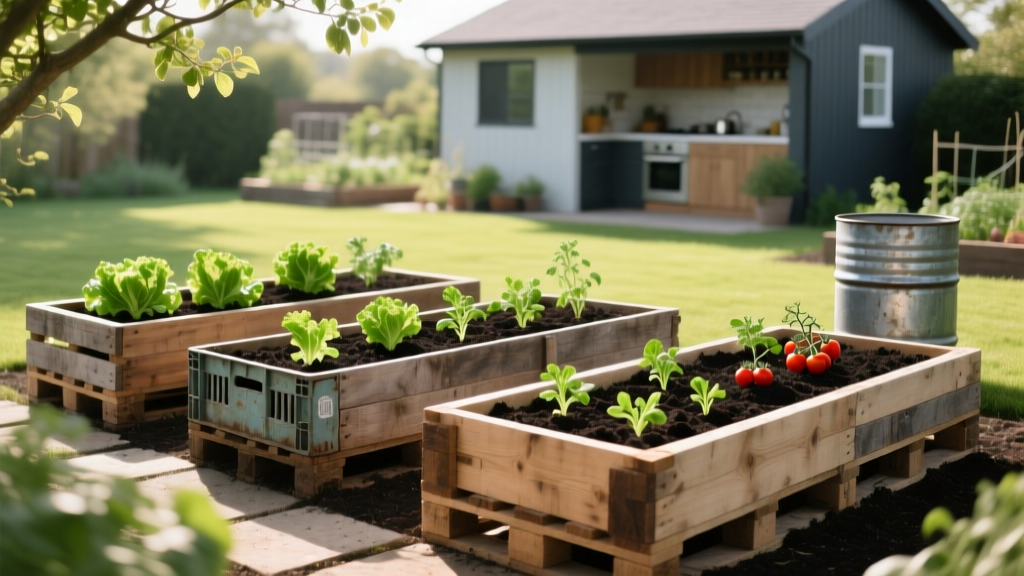
Build Budget Raised Garden Beds With Upcycled Materials
Robert HayesPublished
The Rising Cost of Gardening and the Upcycling Solution
Gardening is a deeply rewarding endeavor that connects us to nature, provides fresh produce, and enhances our outdoor living spaces. However, the initial setup costs can often be a significant barrier for beginners and seasoned green thumbs alike. Over the past few years, the price of pressure-treated lumber, commercial raised bed kits, and bagged garden soil has skyrocketed. A standard 4x8 foot cedar raised bed kit can easily cost upwards of $200 to $300, and filling it with premium bagged soil can add another $150 to the total bill. For those looking to cultivate a thriving vegetable or flower garden without draining their savings, budget-friendly DIY solutions are the answer.
By shifting our perspective from purchasing new materials to upcycling and repurposing what is already available, we can dramatically reduce garden startup costs. Upcycled raised garden beds not only save money but also divert waste from landfills, making your garden an eco-friendly sanctuary. According to the University of Maryland Extension, raised beds offer superior drainage, warmer soil in the spring, and reduced soil compaction, making them an ideal choice for high-yield vegetable gardening regardless of your native soil quality.
Top Free and Low-Cost Materials for Raised Beds
When constructing a budget-friendly raised bed, the key is to look for materials that are durable, non-toxic, and readily available in your local community. Here are some of the best upcycled materials to consider:
- Heat-Treated Wooden Pallets: Shipping pallets are often given away for free by hardware stores, nurseries, and small businesses. They can be dismantled and rebuilt into sturdy bed walls.
- Cinder Blocks and Concrete Bricks: Often left over from construction sites or available for less than $2 each at salvage yards, cinder blocks require no tools to assemble. You can simply stack them to form a modular, indestructible bed.
- Fallen Logs and Urban Timber: If you or a neighbor have recently taken down a tree, the logs can be cut to uniform lengths and stacked to create a beautiful, natural-looking raised bed that will slowly decompose and feed the soil over a decade.
- Galvanized Livestock Troughs: While not always free, used troughs can be found at farm auctions or rural salvage yards for a fraction of the cost of new ones. They offer excellent longevity and a rustic farmhouse aesthetic.
Material Cost and Durability Comparison
Understanding the lifespan and true cost of your materials will help you plan your garden layout effectively. Below is a comparison chart of popular budget-friendly raised bed materials.
| Material | Estimated Cost (4x8 Bed) | Estimated Lifespan | Tools Required |
|---|---|---|---|
| Upcycled Pallets | $0 - $15 (hardware) | 3 - 5 Years | Pry bar, hammer, drill |
| Cinder Blocks | $40 - $60 (salvage) | 15+ Years | None (gravity stacked) |
| Fallen Logs (12 inch dia.) | $0 (if sourced locally) | 8 - 12 Years | Chainsaw, sledgehammer |
| Used Livestock Trough | $50 - $100 (used market) | 20+ Years | Drill (for drainage holes) |
Step-by-Step: Building a Heat-Treated Pallet Raised Bed
Pallets are arguably the most versatile free building material available. However, safety must come first. Always inspect the stamp on the pallet wood. Look for the letters HT, which stands for Heat-Treated. This means the wood was sterilized using heat and is completely safe for growing food. Avoid pallets stamped with MB (Methyl Bromide), as this toxic pesticide can leach into your soil and contaminate your vegetables.
Step 1: Sourcing and Dismantling
Locate clean, HT-stamped pallets. You will need roughly three to four pallets to build a standard 4x8 foot bed that is 12 inches high. Use a pry bar and a hammer to carefully remove the slats from the back stringers. Expect to spend about two hours on dismantling and sanding down rough edges to prevent splinters.
Step 2: Creating the Frame
Use the thick structural stringers of the pallets as the corner posts. Cut them to your desired height. Penn State Extension recommends a minimum depth of 8 to 12 inches for most vegetables, though root crops like carrots thrive in 18-inch deep beds.
Step 3: Assembly
Nail or screw the pallet slats horizontally around your corner posts. For a 4x8 bed, ensure you add a mid-span brace on the 8-foot sides to prevent the soil pressure from bowing the wood outward. Use exterior-grade galvanized screws to ensure the bed holds up to seasonal moisture.
Pro-Tip: Line the inside walls of your pallet bed with heavy-duty landscaping fabric or food-safe plastic sheeting. This creates a moisture barrier that prevents the wood from rotting prematurely and stops any potential contaminants from leaching into your soil.
Filling Your Bed on a Budget: The Hugelkultur Method
The most expensive part of building a raised bed is filling it with soil. A 4x8 bed that is 12 inches deep requires roughly 32 cubic feet of soil. Buying bagged raised bed mix at $8 per cubic foot would cost over $250. Instead, utilize the traditional German technique of Hugelkultur (hill culture) to fill the bottom half of your bed for free.
Hugelkultur involves layering decaying wood and organic matter at the base of the bed. As the wood breaks down, it acts like a sponge, retaining moisture and slowly releasing vital nutrients into the root zone. This method can reduce the amount of soil you need to purchase or source by 40% to 50%.
- Base Layer (Bottom 4-6 inches): Fill the bottom with rotting logs, thick branches, and twigs. Avoid using wood from black walnut or cedar trees, as they contain natural compounds that can inhibit the growth of certain vegetables.
- Middle Layer (Next 3-4 inches): Add grass clippings, fallen autumn leaves, straw, and kitchen scraps. This layer will compost rapidly, generating gentle bottom-up heat that extends your growing season in the early spring.
- Top Layer (Top 6-8 inches): Cap the bed with a high-quality mixture of compost and topsoil. This is the only layer you need to source carefully, as it will house the immediate root systems of your plants.
The Environmental Protection Agency (EPA) notes that composting yard waste and food scraps not only reduces landfill methane emissions but also creates a nutrient-rich soil amendment that reduces the need for chemical fertilizers. By integrating your household compost directly into the middle layer of your Hugelkultur bed, you are closing the nutrient loop in your own backyard.
Sourcing Free Soil, Compost, and Mulch
If you do not have enough homemade compost to fill the top layer of your bed, there are several ways to source free or incredibly cheap soil amendments:
- Municipal Compost Sites: Many city and county waste management facilities offer free compost to residents. You simply need to bring your own buckets or a truck and shovel your share. This compost is usually made from municipal yard waste and is excellent for garden beds.
- Arborist Wood Chips: Reach out to local tree trimming services or use apps like ChipDrop. Arborists are often desperate to offload wood chips for free rather than paying dumping fees. While wood chips are best used as a top-layer mulch to suppress weeds and retain moisture, aged chips can be mixed into the lower layers of your Hugelkultur bed.
- Local Farm Manure: If you live near horse, chicken, or cow farms, farmers will often let you haul away aged manure for free. Ensure the manure has been composting for at least six months to prevent it from burning your plants with excess nitrogen and to eliminate any harmful pathogens.
Maximizing Your Upcycled Bed with Companion Planting
Once your budget-friendly raised bed is built and filled, you can maximize your yield without spending extra money by utilizing companion planting. This organic method involves growing mutually beneficial plants together to deter pests and improve pollination. For example, planting marigolds around the borders of your pallet bed will deter root-knot nematodes, while intercropping basil with tomatoes can improve flavor and repel hornworms. The Three Sisters method—corn, beans, and squash—is a classic, zero-cost companion planting strategy that provides a complete trellis system, ground cover, and nitrogen fixation all in one 4x8 space.
Final Thoughts on Budget Gardening
Creating a beautiful, productive garden does not require a massive financial investment. By embracing budget-friendly DIY solutions, upcycling discarded materials, and utilizing ancient soil-building techniques like Hugelkultur, you can build a resilient garden ecosystem for pennies on the dollar. Not only will your wallet thank you, but your plants will thrive in the rich, living soil you have cultivated by hand. Start small, scavenge creatively, and watch your upcycled garden flourish season after season.
