Gardening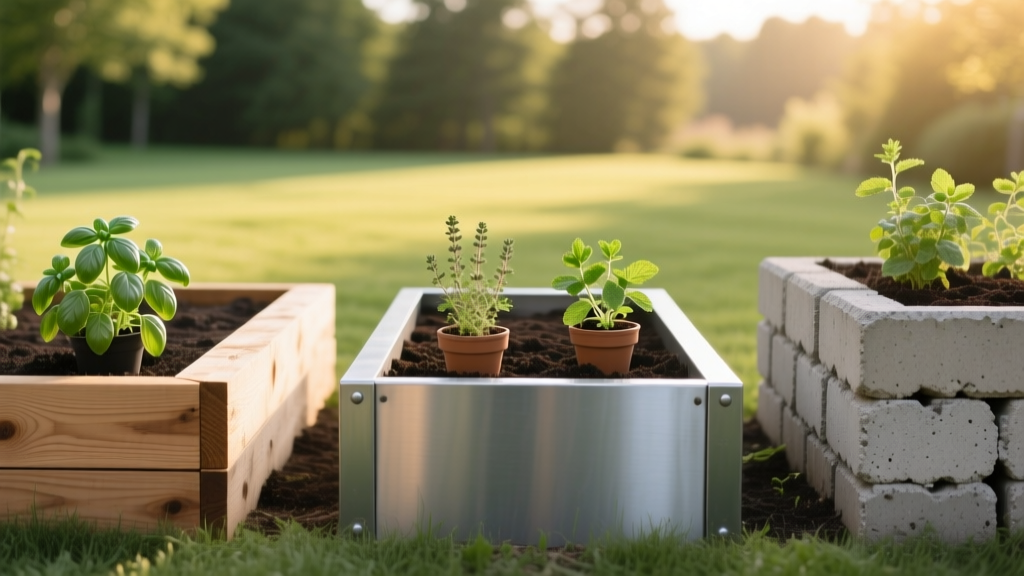
Budget Raised Bed Gardening: Material Cost Breakdown
James MillerPublished
The True Cost of Raised Bed Gardening
Raised bed gardening has surged in popularity over the last decade, and for good reason. They offer superior drainage, reduce weed pressure, and allow gardeners to control their soil composition entirely. However, the initial setup costs can be a significant barrier for beginners and budget-conscious growers. While a single packet of seeds costs less than a cup of coffee, the infrastructure to grow them can quickly drain your wallet if you do not plan carefully. According to the University of Minnesota Extension, raised beds warm up faster in the spring and provide an extended growing season, but the materials you choose will dictate both your upfront expenses and your long-term return on investment.
When budgeting for a new garden space, it is crucial to look beyond the initial price tag. A material that costs half as much upfront but rots within three years is ultimately more expensive than a premium material that lasts for decades. In this comprehensive cost and budgeting guide, we will break down the exact expenses associated with the three most popular raised bed materials: wood, corrugated metal, and concrete blocks. We will also cover the hidden costs of soil amendments and share actionable budget hacks to help you build a thriving garden without breaking the bank.
Material Comparison: Wood vs. Metal vs. Concrete
Choosing the right framing material is the most significant structural decision you will make. Each option comes with unique financial implications, lifespan expectations, and maintenance requirements. Let us examine the three primary contenders for budget-friendly raised bed construction.
1. Untreated Pine and Premium Cedar
Wood is the most traditional and aesthetically pleasing material for raised beds. Untreated pine or whitewood is incredibly cheap and widely available at any local hardware store. You can typically frame a standard four-by-eight-foot bed using two-inch by six-inch pine boards for under eighty dollars. However, pine is highly susceptible to rot, fungal decay, and termite damage. In a moist garden environment, untreated pine will generally need to be replaced every three to five years.
On the other end of the wood spectrum is cedar. Cedar contains natural oils that make it highly resistant to rot and insects. While a cedar bed of the same dimensions might cost upwards of two hundred dollars in lumber alone, it can easily last fifteen to twenty years. When calculating the cost per year of use, cedar often beats pine in the long run, making it a smart budget choice for gardeners who plan to stay in their current home for a decade or more.
2. Corrugated Galvanized Metal
Metal raised beds have become a massive trend in modern garden design, but they are also a fantastic budget option if sourced correctly. Instead of buying expensive pre-fabricated metal bed kits, which can cost over three hundred dollars each, budget gardeners can purchase standard corrugated galvanized roofing panels from agricultural supply stores. These panels are typically eight feet long and cost between twenty and thirty dollars each.
To build a metal bed, you will need to construct a simple wooden frame using cheap two-by-four lumber to serve as the top edge and corner supports, then screw the metal panels into the wood. The Old Farmer's Almanac notes that metal beds are incredibly durable and can last twenty years or more. The primary budget consideration here is the hardware; you must purchase exterior-grade, weather-resistant screws with rubber washers to prevent the metal from tearing and rusting at the connection points.
3. Concrete Blocks and Bricks
If you want to eliminate the need for drills, saws, and fasteners entirely, concrete cinder blocks are the ultimate budget-friendly, low-skill option. Standard concrete blocks usually cost between one dollar and fifty cents and two dollars each at masonry suppliers or big-box hardware stores. A four-by-eight-foot bed that is one block high (eight inches) requires exactly twenty blocks, bringing the structural material cost to around forty dollars.
Concrete blocks are practically indestructible and will outlive the gardener. However, they do have a hidden cost: soil chemistry. Concrete can slowly leach lime into the surrounding soil, raising the pH over time. While this is beneficial for brassicas like cabbage and broccoli, it can cause nutrient lockout for acid-loving plants like tomatoes and peppers. Budget gardeners must factor in the cost of periodic soil testing and sulfur amendments to balance the pH if they choose this route.
Raised Bed Material Cost Breakdown
To provide a clear financial picture, the table below compares the estimated costs for building a standard four-foot by eight-foot raised bed that is twelve inches deep. Prices are based on national averages and may fluctuate based on local lumber and masonry markets.
| Material Type | Estimated Material Cost | Hardware and Fasteners | Expected Lifespan | Average Cost Per Year |
|---|---|---|---|---|
| Untreated Pine | $65.00 | $15.00 | 4 to 6 Years | $13.33 to $20.00 |
| Natural Cedar | $185.00 | $15.00 | 12 to 15 Years | $13.33 to $16.66 |
| Corrugated Metal | $90.00 | $35.00 | 20+ Years | $6.25 |
| Concrete Blocks | $60.00 | $0.00 | 50+ Years | $1.20 |
As the data illustrates, while concrete blocks offer the lowest absolute cost and the best long-term ROI, corrugated metal provides an excellent balance of modern aesthetics, durability, and a remarkably low annualized cost.
The Hidden Costs: Soil and Amendments
The structural frame is only half the battle. The most common mistake budget gardeners make is underestimating the volume and cost of soil required to fill their new beds. A standard four-by-eight-foot bed that is twelve inches deep requires exactly thirty-two cubic feet of soil. If you attempt to fill this volume using bagged potting mix from a garden center, you will easily spend over two hundred and fifty dollars per bed.
As noted by Gardeners Supply Company, the ideal raised bed soil should be a fluffy, nutrient-dense blend that promotes deep root growth. To achieve this on a budget, avoid bagged soils entirely and opt for bulk delivery. Most local landscape supply yards offer a blended topsoil and compost mix delivered by the cubic yard. One cubic yard equals twenty-seven cubic feet. By ordering one cubic yard of bulk mix and supplementing it with a few bags of peat moss or coco coir for moisture retention, you can fill your bed for roughly eighty to one hundred dollars, saving more than fifty percent compared to bagged options.
The Budget Soil Recipe
If bulk delivery is not available in your area, you can mix your own high-quality soil using the following budget-friendly ratio:
- 50% Sifted Native Topsoil: Often available for free or very cheap from local construction sites or municipal recycling centers.
- 30% Organic Compost: Sourced from municipal yard waste facilities, which often sell high-quality compost by the truckload for a fraction of the retail price.
- 10% Coco Coir or Peat Moss: For water retention and aeration.
- 10% Worm Castings and Minerals: A small investment in worm castings and organic granular fertilizer will provide the necessary micronutrients for heavy-feeding vegetables.
Budget Hacks for Raised Bed Gardening
If the costs of soil and lumber are still stretching your budget too thin, there are several time-tested horticultural techniques you can employ to drastically reduce your overhead.
The Hugelkultur Method
Hugelkultur is a traditional German gardening technique that involves burying rotting wood and organic debris beneath your soil. By filling the bottom third of your raised bed with fallen branches, logs, leaves, and grass clippings, you can reduce the amount of soil you need to purchase by up to thirty percent. As the wood breaks down, it acts like a sponge, retaining moisture during dry spells and slowly releasing nutrients into the root zone. This method is entirely free if you have access to yard waste and significantly lowers the initial soil investment.
Sourcing Free and Cheap Materials
Never underestimate the power of local community boards and online marketplaces. Landscapers and tree removal services often need to get rid of wood chips and composted leaves. A polite phone call can result in a free truckload of mulch that can be used for pathways between your beds or composted down into rich organic matter. Similarly, keep an eye out for demolition sites or pallet yards where untreated, heat-treated wooden pallets can be sourced for free and dismantled to build rustic, zero-cost bed frames.
Conclusion
Building a raised bed garden on a budget requires a shift in perspective. Instead of focusing solely on the upfront receipt, successful gardeners evaluate the cost per year of use, the labor required for maintenance, and the long-term health of their soil. Whether you choose the indestructible nature of concrete blocks, the rustic longevity of cedar, or the modern efficiency of corrugated metal, careful planning and smart soil sourcing will ensure your garden yields a massive harvest without emptying your bank account. Start small, utilize free community resources, and watch your garden and your savings grow together.