Pest Control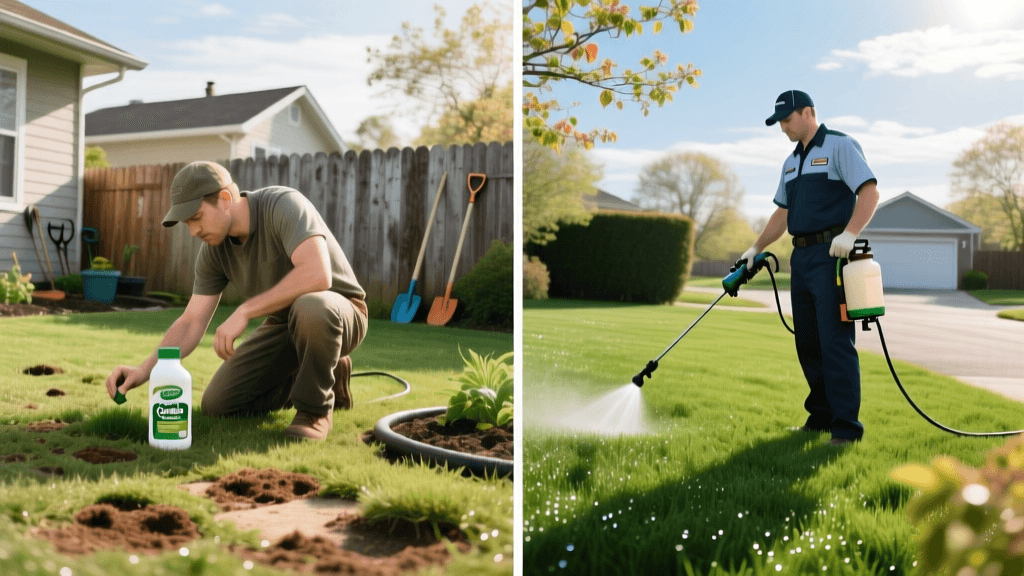
Budgeting for Lawn Grub Control: DIY vs Professional Costs
The Financial Impact of Lawn Grub Damage
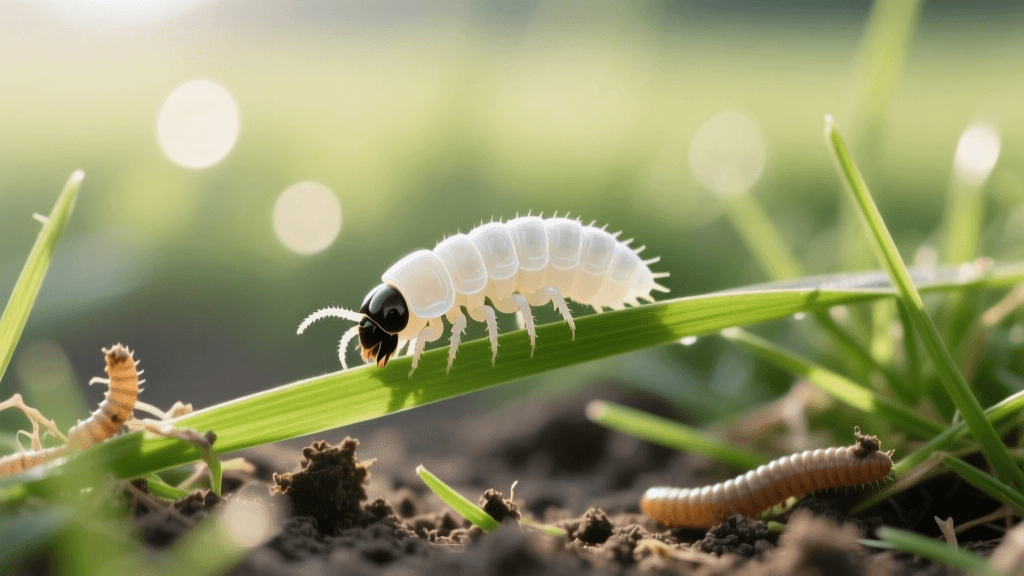
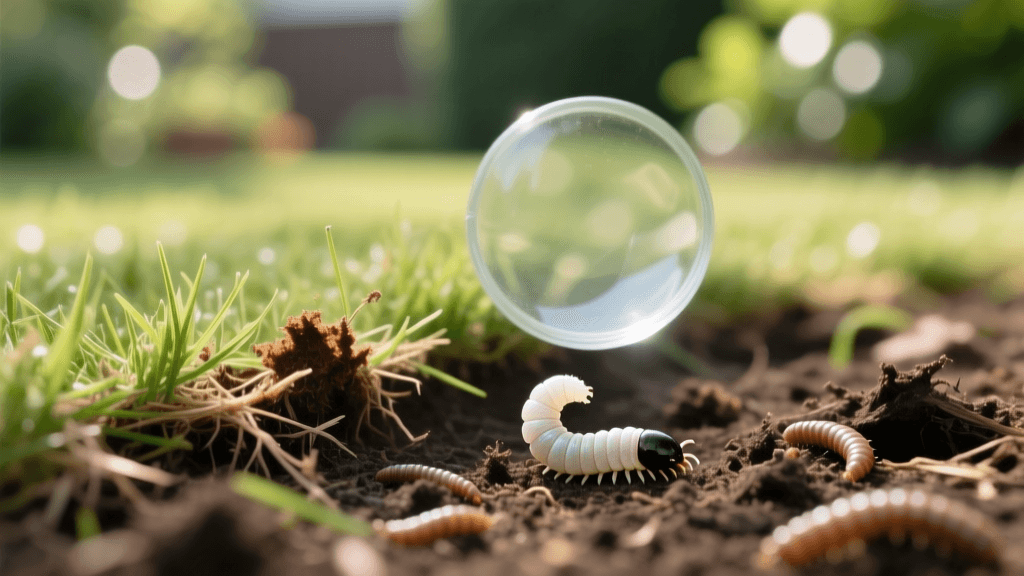
Lawn grubs—the C-shaped, white larvae of scarab beetles such as Japanese beetles, June bugs, and European chafers—are among the most destructive subterranean pests a homeowner can face. By feeding aggressively on the root systems of turfgrass, grubs sever the plant's ability to absorb water and nutrients, leading to large, spongy, brown patches of dead grass. When budgeting for lawn care, many homeowners overlook grub control until the damage is already visible. However, budgeting for grub control is not just about the cost of the pesticide; it is about weighing the upfront expense of prevention against the catastrophic costs of lawn renovation, soil amendment, and reseeding. A proactive financial approach to pest management can save hundreds, if not thousands, of dollars over the lifespan of your lawn.
Understanding Grub Life Cycles and Treatment Timing
To budget effectively, you must understand when to deploy your resources. Grub life cycles dictate the type of product you need to purchase, which directly impacts your budget. Most scarab beetles lay eggs in mid-summer. These eggs hatch into young grubs that feed voraciously in late summer and early fall before burrowing deep into the soil to overwinter. They resurface in spring to feed again before pupating into adult beetles.
Preventative vs. Curative Treatments
Preventative treatments are generally more cost-effective in the long run. These products contain slow-acting, long-residual active ingredients like imidacloprid or chlorantraniliprole. They are applied in late spring to early summer and kill young grubs as they hatch. Curative treatments, on the other hand, use fast-acting, short-residual chemicals like trichlorfon. These are applied in late summer or fall when grubs are large and actively destroying roots. Curative products are often more expensive per application and require precise timing, making them a riskier investment if applied incorrectly.
Calculating Lawn Area and Equipment Budgeting
Before purchasing any pest control products, you must accurately calculate your lawn's square footage. Overestimating leads to wasted money and chemical runoff, while underestimating leaves portions of your lawn vulnerable. Measure the length and width of your property, then subtract the square footage of your home, driveway, and garden beds. Most DIY products are priced and dosed per 1,000 or 5,000 square feet.
If you are committing to a DIY pest management strategy, you must also factor in equipment costs. A standard rotary broadcast spreader, necessary for even application of granular grub preventatives, costs between $35 and $80. For liquid organic treatments like beneficial nematodes, a high-quality hose-end sprayer will cost around $15 to $25. While these are one-time capital expenses, they must be included in your first-year pest control budget.
DIY Grub Control: Product Costs and Application
Do-it-yourself grub control is highly cost-effective for homeowners willing to invest the physical labor and time required for proper application. Here is a breakdown of the most common DIY products and their associated costs for an average 5,000-square-foot lawn.
Chemical Preventatives
- Chlorantraniliprole (e.g., Scotts GrubEx): Priced around $45 to $60 for 5,000 square feet. This is a highly regarded preventative that is safe for earthworms and beneficial insects. It requires only one application per year in late spring.
- Imidacloprid (e.g., Bayer Advanced Grub Killer): Typically costs $30 to $50. It provides excellent control but must be watered in immediately with at least 0.5 inches of irrigation to activate, which may slightly increase your summer water bill.
Chemical Curatives
- Trichlorfon (e.g., Dylox): Priced between $50 and $75. This is the go-to emergency curative treatment for active fall infestations. It degrades quickly in the soil, meaning it will not provide long-term prevention for the following year, potentially requiring a dual-budget for both curative and preventative measures.
Organic and Biological Controls
- Beneficial Nematodes (Heterorhabditis bacteriophora): These microscopic worms seek out and destroy grubs. A package treating 5,000 square feet costs $35 to $60. Because they are living organisms, they require careful handling, immediate application, and consistent soil moisture, which can increase irrigation costs.
- Milky Spore Disease (Paenibacillus popilliae): A natural bacterium targeting Japanese beetle grubs. Initial application costs $80 to $120 for 5,000 square feet, but it can persist in the soil for 10 to 15 years, making it an incredibly cost-effective long-term budget strategy.
Professional Grub Control Services: Pricing Breakdown
Hiring a licensed lawn care operator (LCO) removes the guesswork, labor, and equipment storage from your shoulders. Professionals have access to commercial-grade pesticides that are often more effective and longer-lasting than consumer-grade alternatives. Pricing for professional grub control generally falls into two models:
- A La Carte Services: If you only hire a company for a single grub treatment, expect to pay between $75 and $150 per application for a standard 5,000 to 10,000 square foot lawn. This premium covers the technician's travel, assessment, and commercial product application.
- Bundled Lawn Care Programs: Most LCOs bundle grub control into an annual 6-to-8-step fertilization and weed control program. In this model, the grub preventative visit typically accounts for $40 to $60 of the overall annual contract, which usually ranges from $400 to $800 per year. Bundling is almost always the more economical choice for comprehensive lawn health.
Cost Comparison: DIY vs. Professional Grub Treatment
The following table outlines the estimated costs and variables for treating a 5,000-square-foot lawn.
| Treatment Type | Method | Avg Cost (5,000 sq ft) | Efficacy Duration | Best Application Time |
|---|---|---|---|---|
| Chlorantraniliprole | DIY Preventative | $45 - $60 | 3 - 4 Months | Late Spring / Early Summer |
| Trichlorfon | DIY Curative | $50 - $75 | 1 - 2 Weeks | Late Summer / Early Fall |
| Beneficial Nematodes | DIY Organic | $35 - $60 | 1 - 2 Months | Late Summer (Active Grubs) |
| Milky Spore | DIY Organic | $80 - $120 | 10 - 15 Years | Early Fall |
| Commercial Grade | Professional | $75 - $150 | 3 - 5 Months | Late Spring / Early Summer |
Hidden Costs: When Grubs Win the Battle
When budgeting for pest control, homeowners often forget to account for the hidden costs of a failed treatment or an undetected infestation. If grubs destroy your turf, the financial burden shifts from pest management to lawn renovation.
Lawn Renovation and Reseeding
Replacing dead turf is exponentially more expensive than preventing grub damage. To repair a 1,000-square-foot area destroyed by grubs, you must budget for aeration ($50-$100), topsoil and compost ($30-$50), high-quality grass seed ($20-$40), and starter fertilizer ($15). Furthermore, newly seeded lawns require daily watering for the first three weeks, which can add $50 to $150 to your municipal water bill depending on local utility rates.
Secondary Pest Damage (Wildlife)
Grubs do not just attract your attention; they attract local wildlife. Skunks, raccoons, armadillos, and crows will actively tear up a grub-infested lawn to feast on the protein-rich larvae. This secondary damage often looks worse than the grub damage itself, requiring extensive manual labor, topdressing, and reseeding to fix. Investing in early preventative grub control effectively eliminates the food source, protecting your lawn from destructive foraging animals.
Integrated Pest Management (IPM) to Maximize Your Budget
The cornerstone of cost-effective pest control is Integrated Pest Management (IPM). IPM dictates that you should never apply a pesticide blindly. Instead, you must scout your lawn to determine if the pest population has reached an economic or aesthetic threshold before spending money on treatments.
To scout for grubs, use a flat spade to cut three sides of a 1-foot square in your turf, peel back the sod like a carpet, and count the grubs in the top two inches of soil. Replace the sod and water it immediately. Repeat this process in three or four different areas of your lawn.
According to the Purdue University Extension Office, 'Treatment is generally not justified unless you find an average of 5 to 10 or more grubs per square foot. Scouting your lawn in late summer or early fall can save you from spending money on unnecessary chemical applications, allowing you to allocate your budget toward more pressing lawn care needs like fertilization or weed control.'
Purdue University Extension, Turfgrass Pest Management Guidelines
By adopting this scouting method, you ensure that every dollar in your pest control budget is spent only when absolutely necessary, preventing the overuse of chemicals and protecting local ecosystems.
Final Budgeting Recommendations
For the budget-conscious homeowner, the most financially sound strategy is to purchase a granular chlorantraniliprole preventative in late spring and apply it yourself using a calibrated broadcast spreader. This approach costs roughly $50 annually and provides peace of mind for the entire season. If you miss the preventative window, utilize the IPM scouting method in August to verify if a curative treatment is actually required. By combining proactive timing, accurate square-footage calculations, and university-backed damage thresholds, you can maintain a pristine, grub-free lawn without breaking your annual landscaping budget.