Gardening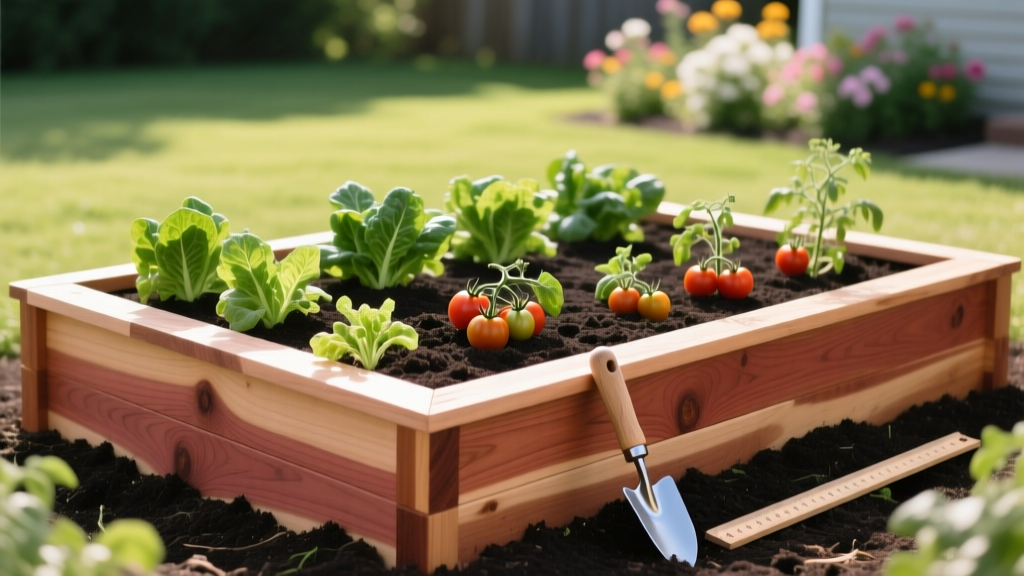
How to Build a Cedar Raised Bed Garden for Vegetables
Anna KowalskiPublished
Introduction to Cedar Raised Bed Gardening
Raised bed gardening has completely transformed the way home growers approach vegetable production. By elevating the planting area above the native soil line, gardeners gain unprecedented control over soil quality, drainage, and weed management. According to Penn State Extension, raised beds warm up significantly faster in the spring, allowing for an extended growing season and earlier harvests of heat-loving crops like tomatoes and peppers. Furthermore, they prevent soil compaction because the gardener never steps inside the growing area, preserving crucial soil structure and microbial life.
While raised beds can be constructed from various materials ranging from cinder blocks to galvanized steel, Western Red Cedar remains the gold standard for organic vegetable gardeners. This comprehensive, practical guide will walk you through the exact steps, materials, and costs required to build a premium 4x8-foot cedar raised bed, fill it with a scientifically balanced soil mix, and plant it for maximum yield.
Why Choose Western Red Cedar?
When selecting lumber for a vegetable garden, safety and longevity are paramount. Pressure-treated lumber, while cheap and rot-resistant, is often treated with chemical preservatives like copper azole. Many organic gardeners prefer to avoid these chemicals leaching into their food supply. Western Red Cedar, on the other hand, contains natural organic oils called thujaplicins. These oils act as a natural fungicide and insect repellent, granting the wood exceptional rot resistance without the need for synthetic chemical treatments. As noted by the University of Minnesota Extension, untreated cedar can easily last 10 to 15 years in direct soil contact, making it a cost-effective and safe investment for long-term garden infrastructure.
Tools and Materials Checklist
Before heading to the lumber yard, gather the following materials. Prices are approximate and based on national averages for premium-grade Western Red Cedar and landscaping supplies.
Lumber and Hardware
- (4) 2x6x8 ft Western Red Cedar Boards: These will form the long and short sides of the bed. (Approx. $35 each = $140 total)
(4) 4x4x12 in Cedar Corner Posts: Used to anchor the corners and provide structural integrity. (Approx. $8 each = $32 total) - (1) Box of 2.5-inch Exterior Star-Drive Wood Screws: Star-drive (Torx) prevents cam-out and stripping. Ensure they are rated for exterior use to prevent rust. (Approx. $15)
- (1) Roll of 1/2-inch Galvanized Hardware Cloth (4x10 ft): Essential for blocking burrowing pests like gophers and moles. (Approx. $25)
- Heavy-Duty Cardboard: Free from appliance stores or recycling centers; used as a biodegradable weed barrier.
Tools Required
- Power drill with star-drive bit and 1/8-inch drill bit (for pilot holes)
- Circular saw or miter saw
- Carpenter’s level and rubber mallet
- Measuring tape and speed square
- Heavy-duty staple gun with 1/2-inch staples
- Shovel and garden rake
Step-by-Step Construction Guide
Step 1: Site Selection and Preparation
Choose a location that receives a minimum of 6 to 8 hours of direct sunlight daily. Proximity to a water source is also critical; dragging heavy hoses across the yard will quickly become a chore. Once the site is chosen, mow the grass or weeds as short as possible. Do not use herbicides. Instead, lay down overlapping layers of heavy-duty cardboard directly over the grass. This will smother the existing vegetation and eventually decompose, inviting beneficial earthworms up into your new bed.
Step 2: Cutting and Assembling the Frame
Cut two of your 2x6 cedar boards in half to create four 4-foot sections. You will now have two 8-foot boards and four 4-foot boards. Lay out your 4x4 corner posts on a flat surface like a driveway. Position one 8-foot board and one 4-foot board flush against the corner post. Use your carpenter's square to ensure a perfect 90-degree angle. Pre-drill three holes through the 2x6 into the 4x4 post to prevent the cedar from splitting, then drive in your 2.5-inch exterior screws. Repeat this process until all four corners are assembled, creating a sturdy 4x8-foot rectangular frame.
Step 3: Pest Protection and Placement
Flip the assembled frame upside down. Unroll the 1/2-inch galvanized hardware cloth over the bottom of the frame, allowing a few inches of overhang on all sides. Using your heavy-duty staple gun, secure the wire mesh to the bottom edges of the cedar boards every 6 inches. Trim any excess wire with tin snips. Carefully flip the bed right-side up and position it over your cardboard-covered site. Use a rubber mallet to tap the 4x4 corner posts slightly into the soil, and use your carpenter's level to ensure the bed is perfectly flat. An unlevel bed will result in water pooling at one end and drying out at the other.
The Ultimate Raised Bed Soil Mix
The most common mistake new gardeners make is filling raised beds with native topsoil or cheap bagged potting mix. Native soil is too heavy and will compact in a raised bed, while potting mix lacks the long-term nutrient density required for heavy-feeding vegetables. According to Clemson University's Home & Garden Information Center, a formulated blend of organic matter, drainage materials, and mineral soil is required for optimal root development.
We recommend a modified "Mel's Mix" tailored for deep-rooted vegetables. A 4x8-foot bed that is 6 inches deep holds exactly 16 cubic feet of soil. If you add a 2-inch "hat" or mounded top, you will need roughly 20 cubic feet of soil mix.
| Ingredient | Volume % | Purpose | Est. Cost (per cu. ft.) |
|---|---|---|---|
| High-Quality Topsoil | 40% | Provides mineral base, structure, and weight. | $1.50 |
| Organic Compost (Blend) | 30% | Supplies slow-release nutrients and beneficial microbes. | $3.00 |
| Coco Coir (Hydrated) | 20% | Retains moisture while preventing compaction (sustainable peat alternative). | $2.50 |
| Coarse Vermiculite | 10% | Enhances aeration, drainage, and nutrient exchange capacity. | $4.00 |
Mix these ingredients thoroughly in a wheelbarrow or on a tarp before adding them to the bed. Water the soil mix deeply as you fill the bed to eliminate large air pockets and settle the materials.
Strategic Planting: The Square Foot Method
To maximize the yield of your 32-square-foot cedar bed, utilize the Square Foot Gardening method. This intensive planting strategy eliminates wasted space and drastically reduces weed growth by creating a dense plant canopy. Below is a practical planting chart for a single 4x8 bed.
| Crop Type | Plants per Sq. Ft. | Spacing Strategy | Companion Planting Tip |
|---|---|---|---|
| Indeterminate Tomatoes | 1 | Center of square, trellised vertically. | Plant with basil to improve flavor and deter hornworms. |
| Bell Peppers | 1 | Center of square, staked for support. | Surround with alyssum to attract predatory wasps. |
| Bush Beans | 9 | 3x3 grid within the square. | Fixes nitrogen; great preceding crop for heavy feeders. |
| Carrots | 16 | 4x4 grid, direct sown shallowly. | Interplant with onions to confuse carrot rust flies. |
| Leaf Lettuce | 4 | 2x2 grid, harvest outer leaves continuously. | Use taller plants like tomatoes to provide afternoon shade. |
Seasonal Maintenance and Long-Term Care
Because raised beds drain more efficiently than in-ground gardens, they require diligent moisture management. Install a drip irrigation system with a smart timer immediately after planting. Drip lines deliver water directly to the root zone, minimizing evaporation and keeping foliage dry, which is crucial for preventing fungal diseases like powdery mildew and early blight.
At the end of every growing season, do not pull spent vegetable plants out by the roots. Instead, cut them off at the soil line with pruning shears. This leaves the root structure in the soil to decompose, providing organic matter and maintaining the intricate fungal networks (mycorrhizae) that support plant health. Top-dress the bed with 2 inches of fresh organic compost every spring before planting to replenish the nutrients consumed by the previous year's crops. With this level of care, your cedar raised bed will remain a highly productive, beautiful centerpiece of your landscape for well over a decade.
