Gardening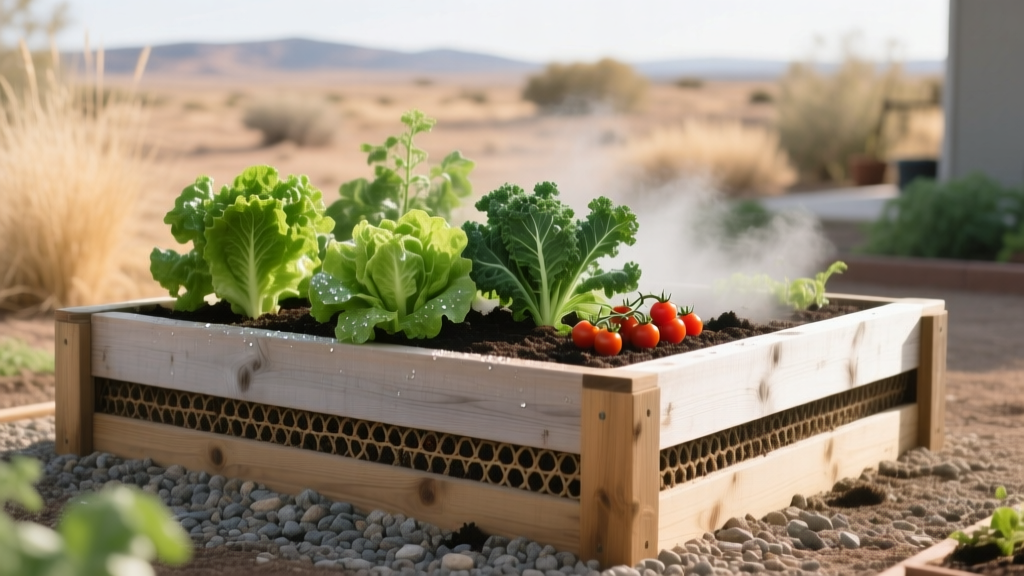
How To Build Drought-Proof Wicking Raised Garden Beds
Anna KowalskiPublished
Introduction to Drought-Proof Wicking Beds
Gardening in drought-prone regions or during periods of strict water restrictions requires a fundamental shift in how we approach irrigation. Traditional top-watering methods lead to massive evaporation losses, leaving plants stressed and gardeners frustrated. According to the EPA WaterSense program, outdoor water use accounts for nearly 30% of total household water consumption, a figure that can double in arid climates during the summer. To combat this, water-wise gardeners are turning to wicking raised beds—a highly efficient, drought-resilient gardening system that delivers moisture directly to the root zone.
A wicking bed is essentially a self-watering raised garden bed. It features a built-in water reservoir at the bottom that uses capillary action to draw moisture upward into the soil. This method drastically reduces surface evaporation, prevents water runoff, and encourages deep, robust root growth. By adopting this system, you can reduce your garden's water consumption by up to 50% while maintaining high yields for water-loving vegetables like tomatoes, peppers, and squash.
The Science of Capillary Action in Gardening
At the heart of a wicking bed is capillary action—the ability of a liquid to flow in narrow spaces without the assistance of, or even in opposition to, external forces like gravity. In a properly constructed wicking bed, the soil acts like a sponge. When the bottom layer of soil or wicking medium is in contact with the water reservoir, moisture travels upward through the microscopic pores between soil particles.
The University of California Agriculture and Natural Resources (UC ANR) Drought Management program emphasizes that deep, infrequent watering promotes deeper root systems, which are essential for drought tolerance. Because wicking beds supply water from the bottom up, plant roots naturally grow downward toward the moisture source, creating a deeply anchored, resilient root system capable of withstanding extreme heat waves and dry spells.
Materials and Cost Breakdown for a 4x8 Wicking Bed
Building a standard 4-foot by 8-foot wicking bed is a weekend-friendly project. Below is a practical breakdown of the materials required, along with estimated costs. Prices may vary based on your region and material choices.
- Frame Materials: Three 2x11 inch cedar or composite boards (8 ft long) cut to form a 4x8 rectangle. (Approx. $80 - $120)
- Waterproof Liner: 45-mil EPDM pond liner (10x12 ft piece to ensure overlap). Do not use cheap PVC tarps, as they will degrade and leak. (Approx. $45)
- Reservoir Medium: 10 bags of 3/8-inch washed gravel or crushed basalt. Avoid limestone, which can alter soil pH. (Approx. $40)
- Water Inlet Pipe: One 4-inch diameter PVC pipe, cut to 12 inches in length, with a perforated cap to prevent soil intrusion. (Approx. $12)
- Separator Fabric: Heavy-duty permeable geotextile landscape fabric to separate the gravel reservoir from the soil layer. (Approx. $15)
- Soil Mix: 32 cubic feet of high-quality wicking soil mix (recipe below). (Approx. $90)
Total Estimated Cost: $282 - $322. While the upfront cost is higher than a standard raised bed, the long-term savings on your municipal water bill and the increased crop yields provide an excellent return on investment.
Step-by-Step Construction Guide
Step 1: Site Preparation and Frame Assembly
Choose a level site that receives at least 6 to 8 hours of direct sunlight. A wicking bed must be perfectly level; otherwise, water will pool at one end of the reservoir, leaving the other end dry. Assemble your cedar or composite frame using exterior-grade wood screws. Place the frame on the leveled ground.
Step 2: Install the EPDM Liner
Drape the 45-mil EPDM liner over the frame, pushing it down into the corners and against the interior walls. Ensure there is at least a 6-inch overlap on the outside of the frame. Staple the liner to the top edge of the wood, then trim the excess. This creates a watertight tub that will hold your reservoir.
Step 3: Build the Water Reservoir
Place the 4-inch PVC standpipe in one corner of the bed. This pipe will serve as your watering inlet. Next, fill the bottom of the bed with 4 inches of washed gravel. Ensure the gravel is level. The bottom of the PVC pipe should rest on the ground, extending above the gravel layer so you can easily pour water into it.
Step 4: Separate and Fill
Lay the geotextile fabric directly over the gravel layer, tucking the edges up against the liner. This barrier prevents soil from washing down into the gravel and clogging the reservoir. Finally, add 10 to 12 inches of your specialized wicking soil mix on top of the fabric. Fill the reservoir with water via the PVC pipe until it is full, allowing the soil to begin wicking moisture upward. Let the bed sit for 48 hours before planting to ensure the soil is evenly moistened.
Best Soil and Wicking Mediums Compared
Not all potting soils work in wicking beds. Standard garden soil is too heavy and will compact, halting capillary action. Conversely, lightweight potting mixes may lack the necessary wicking density. According to Penn State Extension, a well-draining yet moisture-retentive mix is critical for raised bed success. Below is a comparison of common wicking mediums and soil amendments.
| Material | Wicking Efficiency | Drainage | Best Use Case |
|---|---|---|---|
| Coconut Coir | Excellent | Moderate | Primary moisture retention in soil mix |
| Vermiculite | Very High | Low | Boosting capillary action in dry climates |
| Coarse Perlite | Low | Excellent | Preventing soil compaction in the top layer |
| Washed Gravel | N/A (Reservoir) | Maximum | Bottom water storage layer only |
| Compost | Good | Moderate | Nutrient density and biological activity |
Ideal Wicking Soil Recipe: Mix 40% high-quality compost, 30% coconut coir (rehydrated), 20% topsoil, and 10% vermiculite. This blend provides the perfect balance of nutrient availability, aeration, and upward water movement.
Planting and Drought Maintenance Tips
Once your bed is built and the soil has wicked up the initial moisture, you are ready to plant. For maximum drought resilience, practice intensive planting and companion planting to shade the soil surface. Transplants generally perform better than direct seeding in wicking beds, as the top 1-2 inches of soil can remain relatively dry while the root zone below is perfectly moist.
Pro Tip: Always apply a 2-inch layer of organic mulch, such as straw or shredded leaves, over the soil surface. This blocks any remaining surface evaporation and keeps the topsoil cool during peak summer heat.
Maintenance Schedule:
- Watering: During peak summer, fill the reservoir via the PVC pipe once every 7 to 10 days. You will use roughly 15-20 gallons per filling for a 4x8 bed.
- Flushing: Once a month, water the bed heavily from the top down to flush out accumulated mineral salts that wicking action can draw to the surface.
- Winterizing: In freezing climates, drain the reservoir completely before the first frost to prevent ice expansion from damaging the liner or PVC pipe.
Troubleshooting Common Wicking Bed Issues
Issue: Soil Surface is Completely Dry and Hydrophobic
If the top layer of soil dries out completely and becomes hydrophobic (water-repellent), new transplants may struggle. To fix this, gently scratch the surface and apply a wetting agent or a thin layer of pure compost to help re-establish surface moisture retention until the plant roots reach the deeper, moist layers.
Issue: Algae or Mosquitoes in the Reservoir
If your PVC standpipe is left open, mosquitoes will breed in the reservoir. Always cap your standpipe with a fine mesh screen or a perforated PVC cap. If algae forms due to sunlight hitting the water, ensure your liner overlap completely blocks light from entering the gravel reservoir.
Issue: Salt Buildup on the Soil Surface
Capillary action can sometimes draw dissolved minerals and salts to the surface, leaving a white crust. This is common in arid regions with hard water. Combat this by top-watering heavily once a month to flush salts back down through the overflow drain, and maintain a thick organic mulch layer to buffer the soil surface.
Conclusion
Transitioning to a water-wise gardening strategy does not mean sacrificing your harvest. By investing the time and materials to build a wicking raised bed, you create a resilient, drought-proof ecosystem that conserves water, saves time, and produces thriving vegetables even in the harshest conditions. Whether you are facing municipal water restrictions or simply want to garden more sustainably, wicking beds represent the future of intelligent, water-efficient home food production.
