Gardening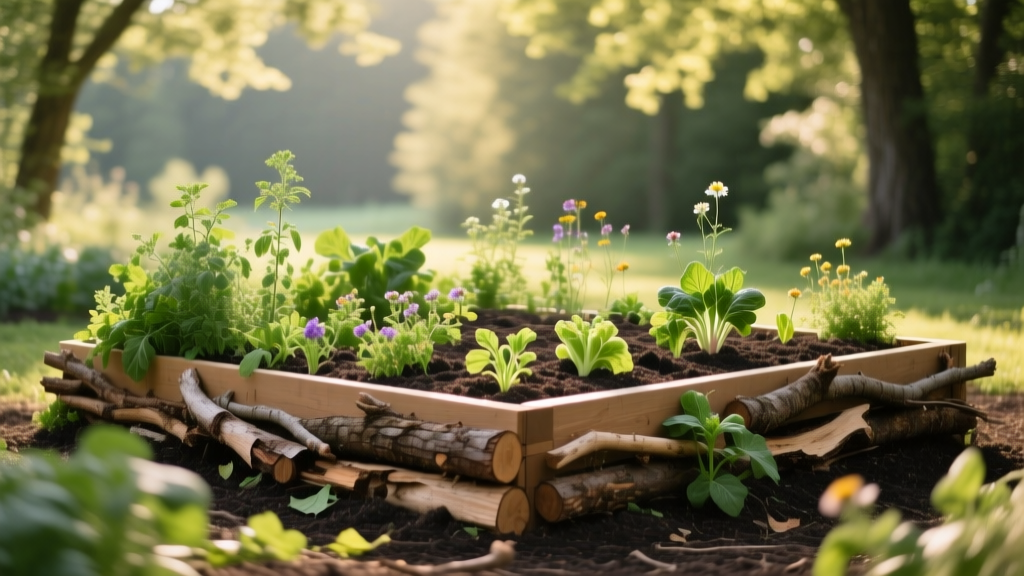
Build a Hugelkultur Raised Bed for Drought-Resistant Gardening
Mike RodriguezPublished
The Eco-Friendly Power of Hügelkultur
In the quest for truly sustainable and eco-friendly gardening methods, few techniques rival the brilliance of Hügelkultur. Translated from German as 'hill culture,' this centuries-old permaculture practice involves building raised garden beds over a core of decaying wood and organic matter. Rather than viewing fallen branches, rotting logs, and autumn leaves as yard waste to be hauled away, Hügelkultur transforms these materials into the foundational engine of a thriving, drought-resistant garden ecosystem.
By mimicking the natural decomposition processes found on a forest floor, a Hügelkultur bed creates a self-sustaining environment that retains moisture, sequesters carbon, and slowly releases nutrients over a decade or more. For the eco-conscious gardener looking to reduce water consumption, eliminate the need for synthetic fertilizers, and recycle on-site biomass, building a Hügelkultur raised bed is one of the most impactful projects you can undertake.
Why Choose Hügelkultur for Sustainable Gardening?
Unmatched Water Conservation
The primary ecological benefit of a Hügelkultur bed is its extraordinary water retention capability. As the buried wood decomposes, it acts like a giant subterranean sponge. Hardwood logs can hold up to 90% of their weight in water. During heavy rains, the bed absorbs excess runoff, preventing soil erosion and nutrient leaching. During dry spells, the decaying wood slowly releases this stored moisture back into the root zone. According to the United States Environmental Protection Agency (EPA), increasing organic matter in soil is one of the most effective ways to improve water retention and reduce the need for supplemental irrigation, making this method ideal for drought-prone climates or gardeners looking to lower their water footprint.
Carbon Sequestration and Soil Health
Traditional gardening often involves tilling, which releases stored soil carbon into the atmosphere. Hügelkultur is inherently a no-till method. By burying carbon-rich wood and allowing it to break down slowly via fungal networks, you are actively sequestering carbon in your garden. Furthermore, the USDA Natural Resources Conservation Service emphasizes that soil organic matter is the cornerstone of soil health, fostering beneficial mycorrhizal fungi and microorganisms that make nutrients bioavailable to plants without chemical interventions.
Step-by-Step Guide to Building Your Hügelkultur Bed
Constructing a Hügelkultur bed requires physical effort but minimal financial investment, especially if you can source materials from your own property or local arborists.
Site Selection and Dimensions
Choose a location that receives at least 6 to 8 hours of direct sunlight daily for vegetable production. A standard, manageable size for a Hügelkultur bed is 6 feet long, 3 feet wide, and 3 to 4 feet tall at the apex. While 4 feet may seem excessively tall, the bed will settle and compress by up to 50% over the first year as the wood decays and air pockets collapse. The steep sides also maximize your planting surface area, allowing you to grow crops on the top and the sloped sides.
Layer 1: The Woody Core (Bottom Layer)
Start by laying down the largest pieces of wood directly on the soil surface. Do not till the ground beneath; simply lay the logs down to preserve the existing soil food web. Use hardwoods like oak, maple, apple, or birch. These woods decay slowly, providing a long-lasting sponge effect.
Wood Selection Warning: Avoid using Black Walnut, as it contains juglone, a natural compound that is highly toxic to many garden plants like tomatoes and peppers. Additionally, avoid highly rot-resistant woods like cedar, black locust, or redwood, as they will not break down efficiently and fail to provide the desired sponge effect. Never use pressure-treated lumber or painted wood, as these will leach toxic chemicals into your food supply.
Layer 2: The Carbon-Rich Transition
Fill the gaps between the large logs with smaller branches, twigs, wood chips, and dried autumn leaves. This layer acts as a transition zone, preventing the topsoil from washing down into the large crevices of the log layer while adding an intermediate carbon source for decomposing organisms.
Layer 3: The Nitrogen-Rich Green Layer
As wood decays, the fungi and bacteria responsible for the process consume a significant amount of nitrogen. To prevent your soil from becoming nitrogen-deficient, you must add a thick layer of nitrogen-rich 'green' materials. Pack this layer with fresh grass clippings, kitchen vegetable scraps, coffee grounds, and fresh manure (ensure it is herbicide-free and aged if using horse or cow manure). This layer balances the carbon-to-nitrogen ratio, accelerating the initial breakdown process.
Layer 4: The Soil Cap and Mulch
Cap the mound with a 6-to-8-inch layer of high-quality topsoil mixed with finished compost. This is the immediate growing medium for your plants' root systems. Finally, apply a 2-inch layer of organic mulch, such as straw or shredded leaves, over the entire surface to retain surface moisture, suppress weeds, and protect the soil structure from heavy rain impact.
Material and Cost Breakdown
One of the most compelling aspects of Hügelkultur is its economic sustainability. Below is a comparison between building a traditional cedar raised bed and a Hügelkultur bed of similar planting volume.
| Feature | Traditional Cedar Raised Bed (4x8x2 ft) | Hügelkultur Bed (6x3x4 ft) |
|---|---|---|
| Lumber / Hardscape Costs | $150 - $250 | $0 (Using on-site biomass) |
| Soil & Compost Required | ~24 cubic feet ($120 - $180) | ~6 cubic feet for cap ($30 - $50) |
| Watering Needs (Year 2+) | Frequent (2-3 times a week in summer) | Minimal (Only during extreme drought) |
| Lifespan of Structure | 10-15 years (before wood rots) | 10-20 years (the rot IS the function) |
| Carbon Footprint | Higher (Milled lumber, bagged soil transport) | Negative (Sequesters yard waste on-site) |
The Nitrogen Tie-Up Myth vs. Reality
A common criticism of Hügelkultur is the fear of 'nitrogen tie-up'—the idea that decomposing wood will steal all available nitrogen from the soil, starving your plants. While it is true that the bacteria breaking down high-carbon materials require nitrogen, this process primarily occurs at the direct interface between the wood and the soil. By intentionally adding a thick nitrogen-rich green layer (Layer 3) and capping the bed with finished compost, you provide more than enough nitrogen to satisfy the microbial workforce while leaving ample nutrients for your crops. Furthermore, planting heavy-feeding crops on the surface encourages deep root growth that eventually taps into the nutrient-dense lower layers once the initial decomposition phase stabilizes.
Planting Guide: What to Grow and When
The nutrient profile and physical structure of a Hügelkultur bed change over time. Adjusting your planting strategy to match the bed's lifecycle ensures maximum yields and ecological balance.
Year One: The Heavy Feeders
In the first year, the bed is at its most nutrient-dense and physically active stage. The rapid decomposition generates a slight amount of ambient heat and releases a flush of nitrogen and minerals. This is the perfect environment for heavy-feeding, heat-loving crops.
- Tomatoes and Peppers: Thrive in the deep, warm, well-draining soil.
- Cucumbers and Squash: Can be planted near the top and allowed to trail down the steep sides, acting as a living mulch that shades the soil and prevents erosion.
- Brassicas (Cabbage, Broccoli): Benefit from the rich nitrogen availability.
Year Two and Three: Root Crops and Leafy Greens
As the bed settles and the initial flush of nitrogen slows down, the soil structure becomes incredibly friable and loose, making it ideal for root development.
- Carrots, Parsnips, and Radishes: The absence of rocks and the loose, decaying organic matter allow roots to grow straight and deep without obstruction.
- Leafy Greens (Spinach, Lettuce, Swiss Chard): Thrive in the consistent moisture provided by the wood core.
- Pole Beans and Peas: These legumes will fix their own nitrogen, helping to replenish the soil as the wood continues to break down.
Year Four and Beyond: Perennials and Agroforestry
By year four, the large logs have softened significantly, and the bed has settled into a stable, highly fungal-dominant ecosystem. This is the time to transition toward perennial crops that mimic a forest edge.
- Berry Bushes: Blueberries, raspberries, and currants love the acidic, fungal-rich environment created by decaying hardwood.
- Herbs: Rosemary, thyme, and lavender can be planted on the drier, lower edges of the mound.
- Fruit Trees: Dwarf varieties can be planted directly into the center of larger, older mounds.
Long-Term Maintenance and Sustainability
Maintaining a Hügelkultur bed is remarkably low-effort compared to traditional row gardening. Because the soil structure is never tilled, weed seeds remain buried and dormant. The steep slopes and organic mulch cap further suppress weed growth.
According to the Royal Horticultural Society (RHS), raised beds require ongoing attention to soil levels and organic matter replenishment. In a Hügelkultur system, this simply means 'top-dressing' the bed each autumn with an inch or two of finished compost and a fresh layer of mulch. As the wood core slowly shrinks over the years, this top-dressing fills in the settling gaps, maintaining the bed's volume and fertility without the need for expensive bagged soils or synthetic amendments.
By embracing Hügelkultur, you are not just building a garden bed; you are constructing a localized ecosystem. You are diverting biomass from landfills, reducing your reliance on municipal water, and fostering a vibrant underground network of life that will sustain your garden for decades. It is the ultimate expression of working with nature, rather than against it, proving that the most sustainable gardening solutions are often the ones that have been right beneath our feet all along.
