Gardening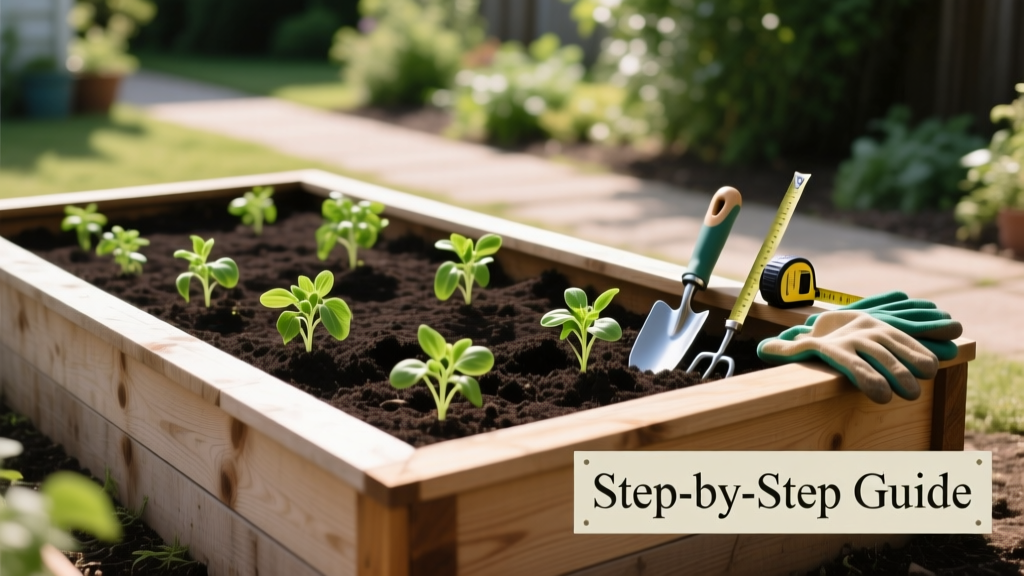
How to Build a Raised Bed Garden: A Step-by-Step Guide
Anna KowalskiPublished
Why Choose Raised Bed Gardening?
Raised bed gardening is one of the most effective ways to overcome poor native soil, improve drainage, and maximize your garden's yield. By elevating your planting area, you gain complete control over the soil composition, ensuring your vegetables and flowers have the exact nutrients they need to thrive. According to the Penn State Extension, raised beds also warm up faster in the spring, allowing for an earlier planting season and extending your harvest well into the fall.
Beyond the horticultural benefits, raised beds reduce soil compaction because you never step inside the growing area. They also provide excellent accessibility for gardeners with mobility issues, as the elevated height reduces the need to bend over. Whether you are growing heirloom tomatoes, crisp leafy greens, or vibrant pollinator flowers, a well-constructed raised bed is the foundation of a successful garden.
Planning Your Raised Bed: Dimensions and Site Selection
Before purchasing materials, you must determine the ideal size and location for your new garden bed. The University of Wisconsin-Madison Extension recommends placing your garden in an area that receives at least six to eight hours of direct sunlight daily. Avoid areas near large trees or shrubs, as their roots will compete for water and nutrients, and their canopies will block essential sunlight.
Ideal Dimensions
- Width: Keep the bed no wider than 4 feet. This allows you to reach the center of the bed from either side without stepping on the soil, which prevents compaction.
- Length: 8 feet is the standard length, as it minimizes the cutting of standard lumber and keeps the structure manageable.
- Depth: A depth of 10 to 12 inches is sufficient for most vegetables. However, if you plan to grow deep-rooted crops like carrots or parsnips, consider a depth of 18 to 24 inches.
Choosing the Right Materials
The longevity and safety of your raised bed depend heavily on the materials you choose. Avoid using old railroad ties or pressure-treated wood manufactured before 2004, as they may contain creosote or chromated copper arsenate (CCA), which can leach harmful chemicals into your soil. Instead, opt for naturally rot-resistant woods or modern composite materials.
| Material | Estimated Cost (per 8ft board) | Lifespan | Pros | Cons |
|---|---|---|---|---|
| Untreated Cedar | $25 - $40 | 10-15 Years | Naturally rot and insect-resistant; beautiful aging. | Higher upfront cost. |
| Redwood | $30 - $50 | 15-20 Years | Extremely durable; rich color. | Expensive; regional availability. |
| Composite Timber | $40 - $60 | 20+ Years | Zero rot; splinter-free; low maintenance. | Can warp in extreme heat; high cost. |
| Untreated Pine | $10 - $15 | 3-5 Years | Budget-friendly; easy to find. | Rots quickly; requires frequent replacement. |
Tools and Hardware Required
To build a standard 4x8 foot raised bed using 2-inch thick by 10-inch wide lumber (actual dimensions 1.5 x 9.25 inches), you will need:
- Four 8-foot boards (Cedar or your chosen material)
- Four 4x4 wooden corner posts, cut to 10-inch lengths (for internal bracing)
- 2.5-inch exterior-grade wood screws (approx. 40-50)
- Power drill with a Phillips head bit and a 1/8-inch drill bit for pilot holes
- Tape measure, carpenter's square, and a level
- Shovel and landscaping rake
- Cardboard (for weed suppression)
Step-by-Step Construction Guide
Step 1: Prepare the Site
Clear the designated 4x8 foot area of any large rocks, debris, and existing grass. You do not need to till the native soil, but you should roughly level the ground using a shovel and rake. Use your carpenter's level to ensure the ground is as flat as possible; a slight slope is acceptable, but extreme unevenness will cause water to pool at one end of the bed.
Step 2: Assemble the Frame
Lay two 8-foot boards and two 4-foot boards on their edges to form a rectangle. Place a 10-inch 4x4 corner post inside each corner. Using your drill and the 1/8-inch bit, pre-drill three holes through the outside of the long boards and into the corner post. This prevents the wood from splitting. Secure the boards to the corner posts using the 2.5-inch exterior screws. Repeat this process for all four corners until the basic box is assembled.
Step 3: Reinforce and Level the Bed
If you are building an 8-foot long bed, the hydrostatic pressure of wet soil can cause the long boards to bow outward over time. To prevent this, install a cross-brace. Cut a piece of 1x4 lumber to fit horizontally across the middle of the bed, securing it to the inside of the long boards with exterior screws. Move the assembled frame to your prepared site. Place the level on the top edges. If the bed is uneven, dig out soil from the higher side rather than adding soil to the lower side. Once level, use a mallet to gently tap the corner posts into the native soil to anchor the bed.
The Perfect Soil Mix Recipe
The most critical step in raised bed gardening is filling it with the right soil. Never use native garden soil or heavy topsoil alone, as it will compact heavily in a raised environment, suffocating plant roots. Instead, you need a light, fluffy, and nutrient-dense mixture.
A standard 4x8 foot bed that is 10 inches deep holds approximately 26 cubic feet of soil. To achieve the best results, use a modified version of the famous 'Mel's Mix' popularized by Square Foot Gardening, or a high-quality organic blend. According to the Environmental Protection Agency (EPA), incorporating high-quality compost is essential for retaining moisture and providing slow-release nutrients to your plants.
The Ultimate Raised Bed Soil Recipe:
- 33% Premium Topsoil or Garden Soil: Provides the mineral base and structure.
- 33% Organic Compost: Use a blend of mushroom compost, worm castings, and homemade compost for diverse microbiology.
- 16% Coconut Coir or Peat Moss: Acts as a sponge to retain moisture while keeping the soil light. (Coconut coir is the more sustainable choice).
- 16% Coarse Vermiculite or Perlite: Ensures adequate drainage and aeration for root health.
Pro Tip: Buying soil in bulk from a local landscape supply yard is significantly cheaper than buying bagged soil. A cubic yard (27 cubic feet) of a 50/50 topsoil-compost blend typically costs $30 to $50, whereas buying the equivalent volume in 1.5 cubic foot bags at a big-box store can exceed $150.
Preparing the Base and Filling the Bed
Before adding your expensive soil mix, lay down a weed barrier at the bottom of the bed. While some gardeners use landscape fabric, plain, uncoated brown cardboard is the superior choice. Overlap the cardboard sheets by at least 6 inches and wet them thoroughly with a garden hose. The cardboard will smother existing grass and weeds, and it will naturally decompose over a season, inviting beneficial earthworms up into your new soil.
Once the cardboard is in place, begin adding your soil mixture. Fill the bed to about 2 inches below the top edge of the wood. This lip prevents soil and mulch from washing out during heavy rainstorms. Water the soil deeply immediately after filling to help it settle, and add more soil if significant sinking occurs.
Planting and Maintenance Tips
With your bed built and filled, you are ready to plant. Because raised bed soil is loose and nutrient-rich, you can plant much closer together than in traditional row gardens. Utilize the 'square foot gardening' method to maximize space. For example, plant one tomato plant per square foot, but you can fit 16 carrot seeds or 4 bush bean plants in that same single square foot.
Companion planting is highly effective in the confined space of a raised bed. For instance, planting aromatic basil near your tomatoes can help deter hornworms, while interplanting fast-growing radishes with slower-growing carrots helps mark the rows and break up the soil crust. Practice crop rotation each year by avoiding planting crops from the same family (like tomatoes, peppers, and eggplants) in the exact same spot to prevent the buildup of soil-borne diseases.
Maintain your raised bed by applying a 2-inch layer of organic mulch, such as straw or shredded leaves, around your plants once they are a few inches tall. This suppresses weeds, retains moisture, and breaks down over time to feed the soil. At the end of the growing season, top off the bed with a fresh inch of compost to replenish the nutrients consumed by your summer crops, ensuring your raised bed remains productive for years to come.
