Gardening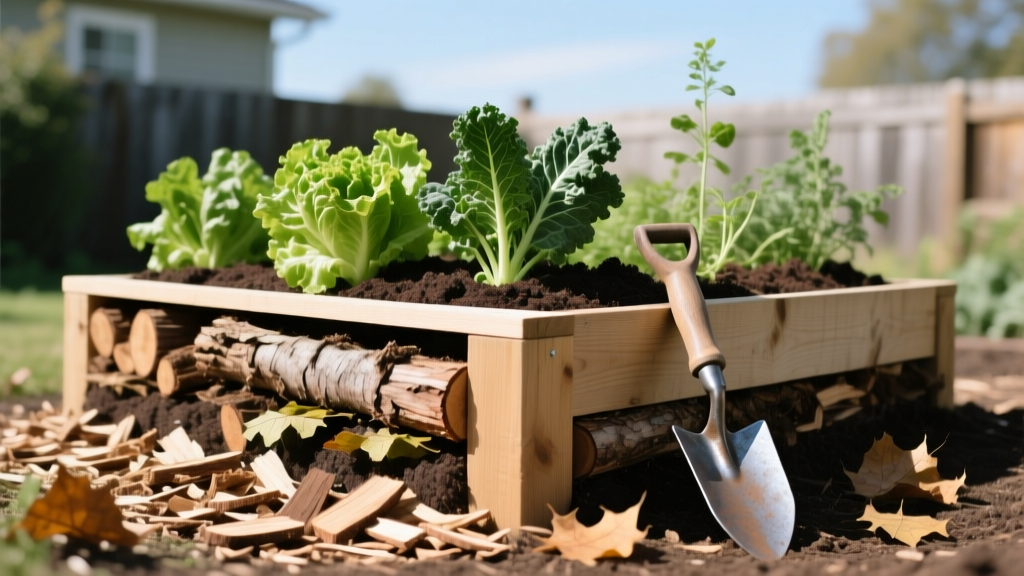
Sustainable Hugelkultur Raised Beds: Complete Guide
Anna KowalskiPublished
The Rise of Eco-Friendly Hugelkultur Gardening
As home gardeners increasingly seek sustainable, eco-friendly methods to grow food, the ancient practice of hugelkultur has experienced a massive resurgence. Originating in Eastern Europe and popularized by Austrian permaculturist Sepp Holzer, hugelkultur translates roughly to 'hill culture.' At its core, it involves burying rotting wood and organic biomass beneath soil to create raised garden beds. This method not only sequesters carbon but also transforms yard waste into a thriving, self-sustaining ecosystem. According to the USDA Natural Resources Conservation Service, increasing soil organic matter is one of the most effective ways to improve water retention, nutrient cycling, and overall soil biology. By mimicking the natural decomposition process found on forest floors, hugelkultur beds create a resilient environment for vegetables and flowers alike.
The Science Behind the Sponge Effect
The primary ecological benefit of a hugelkultur bed is its unparalleled water retention capability. As the buried wood breaks down, it becomes incredibly porous, acting much like a giant underground sponge. During heavy rains, the decaying logs absorb and hold vast quantities of water. During dry spells or droughts, this stored moisture is slowly released back into the surrounding soil, making it available to plant roots. This 'sponge effect' drastically reduces the need for supplemental irrigation, conserving municipal water supplies and lowering your utility bills. Furthermore, the decaying wood fosters a robust network of mycorrhizal fungi. These beneficial fungi form symbiotic relationships with plant roots, extending their reach and helping them uptake phosphorus and other vital micronutrients far more efficiently than they could in sterile, traditional garden soil.
Carbon Sequestration and Climate Impact
One of the most profound environmental benefits of hugelkultur is its role in carbon sequestration. When fallen trees and branches are left to rot on the surface, burned, or sent to a landfill, they release carbon dioxide or methane into the atmosphere. By burying woody debris deep within a garden bed and covering it with soil, you are effectively locking that carbon underground. The slow, anaerobic, and fungal-driven decomposition process deep in the bed releases carbon at a fraction of the rate, while the vigorous plant growth on the surface pulls additional carbon from the atmosphere through photosynthesis. This makes hugelkultur a powerful, localized tool for climate-positive gardening.
Sourcing Sustainable Materials
Building a hugelkultur bed is an excellent way to repurpose yard waste, but selecting the right materials is crucial for long-term success and plant health.
- The Core Wood: Use rotting logs, fallen branches, and brush. Hardwoods like oak, maple, apple, and birch are excellent because they decay slowly, providing structure and nutrients for a decade or more. Avoid black walnut, as it contains juglone, a natural chemical that inhibits the growth of many garden plants like tomatoes and peppers.
- The Frame: To maintain an eco-friendly footprint, avoid pressure-treated lumber, which can leach copper and other chemicals into your soil. Instead, opt for naturally rot-resistant woods like untreated cedar or black locust. Alternatively, use reclaimed urbanite (broken concrete), stone, or woven wattle to contain the bed.
- Nitrogen-Rich Biomass: As wood decays, fungi and bacteria consume nitrogen from the surrounding environment, which can temporarily starve your plants. To counteract this 'nitrogen tie-up,' incorporate nitrogen-rich materials like grass clippings, coffee grounds, or aged herbivore manure into the middle layers of the bed.
- The Cap: Top the bed with a mix of high-quality compost and local topsoil. The EPA's guidelines on composting emphasize that adding finished compost introduces vital microorganisms that accelerate the integration of the woody layers below.
Step-by-Step Construction Guide
Follow these specific measurements and timing guidelines to construct a standard 4-foot by 8-foot hugelkultur raised bed.
- Site Preparation (Early Spring or Late Fall): Clear the area of invasive weeds. If building on grass, lay down overlapping layers of uncoated cardboard to smother the turf and attract earthworms.
- Build the Frame: Construct a 4x8 foot frame that is at least 18 to 24 inches deep. Hugelkultur beds settle significantly over the first year, so extra depth is necessary.
- Layer 1 - The Base (6-10 inches): Place the largest, most decayed logs at the bottom. Pack them tightly together, filling any large air gaps with smaller sticks or woodchips to prevent the soil above from collapsing into voids.
- Layer 2 - The Brush (4-6 inches): Add a layer of smaller branches, twigs, and dried leaves. This layer bridges the gap between the large logs and the finer soil above.
- Layer 3 - The Nitrogen Boost (2-3 inches): Apply a thick layer of fresh grass clippings, composted manure, or kitchen scraps. This provides the nitrogen required by the microbes breaking down the wood below.
- Layer 4 - The Cap (8-12 inches): Mound a 50/50 blend of finished compost and topsoil over the biomass. Water the bed deeply to help the soil settle into the crevices of the wood layer. Allow the bed to rest for two to four weeks before planting.
Comparison: Traditional vs. Hugelkultur Raised Beds
Understanding the differences between standard raised beds and hugelkultur beds can help you decide which method aligns best with your sustainable gardening goals.
| Feature | Traditional Raised Bed | Hugelkultur Raised Bed |
|---|---|---|
| Initial Material Cost | High (requires bulk soil and compost) | Low (utilizes free yard waste and wood) |
| Watering Frequency | High (dries out quickly in summer) | Low (wood acts as a moisture sponge) |
| Soil Fertility Lifespan | Requires annual heavy amendments | Self-fertilizing for 5 to 10 years |
| Carbon Footprint | Higher (transporting bulk soil/compost) | Negative (sequesters woody carbon) |
| Soil Temperature | Ambient, matches air temperature | Warmer in spring due to decomposition heat |
Planting Strategies and Companion Planting
Because the soil ecology in a hugelkultur bed changes as the wood decomposes, your planting strategy should evolve over time. During the first year, the bed will be incredibly rich in nitrogen (thanks to your added compost and manure) and will have excellent drainage. This is the ideal time to plant heavy feeders such as tomatoes, squash, pumpkins, and sweet corn.
A highly sustainable approach is to utilize companion planting, such as the indigenous 'Three Sisters' method. Plant corn in the center of the mound to act as a trellis, surround it with climbing beans to fix atmospheric nitrogen into the soil, and plant sprawling squash at the base to act as a living mulch that suppresses weeds and shades the soil. By the third or fourth year, as the wood breaks down and the soil becomes more fungal-dominant and spongy, transition to planting root vegetables like carrots and parsnips, as well as perennial herbs and berry bushes. The Royal Horticultural Society notes that raised beds provide excellent drainage and soil warmth, making them particularly advantageous for extending the growing season for these perennial crops.
Long-Term Maintenance and Soil Health
One of the most appealing aspects of hugelkultur is the minimal maintenance required once the bed is established. Because the wood core retains moisture, you will rarely need to water the bed, even during mid-summer heatwaves. However, as the wood decomposes, the soil level in the bed will sink. Each autumn, practice 'top-dressing' by adding a 2-inch layer of homemade compost, shredded autumn leaves, or arborist wood chips to the surface. This mimics the natural leaf litter of a forest floor, feeding the soil food web from the top down without disturbing the delicate fungal networks below. Avoid tilling or turning the soil, as this destroys the mycorrhizal highways that your plants rely on. By embracing this no-till, eco-friendly methodology, your hugelkultur raised bed will become more fertile, more resilient, and more productive with each passing year, serving as a cornerstone of your sustainable home landscape.
