Gardening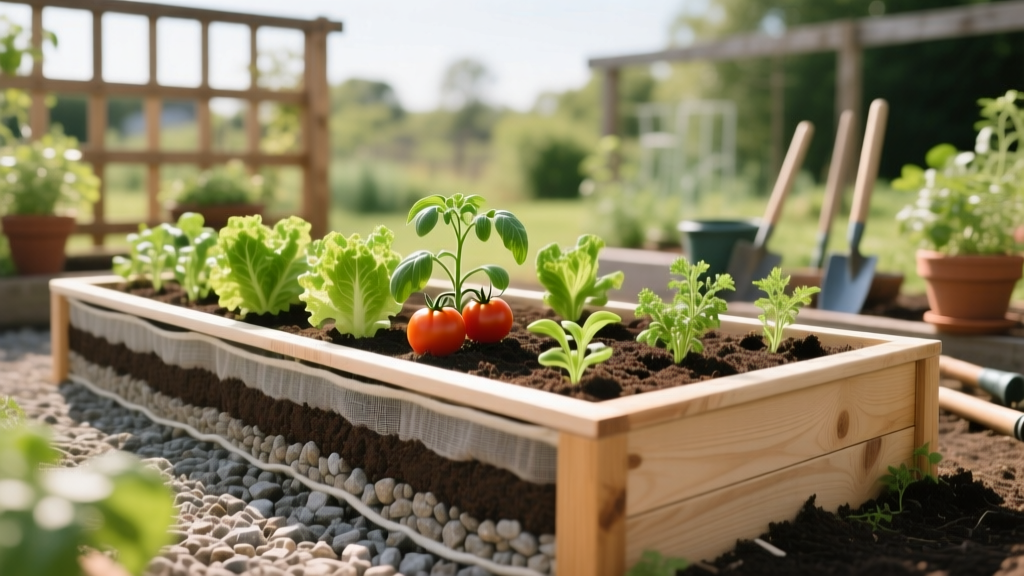
Build a Water-Wise Wicking Bed for Drought Gardening
Anna KowalskiPublished
The Ultimate Drought Solution: Wicking Beds
As climate patterns shift and drought restrictions become more frequent, home gardeners are forced to rethink how they grow food. Traditional top-watering methods are highly inefficient, losing massive amounts of moisture to evaporation and wind. If you want to maintain a thriving vegetable garden during severe dry spells, building a wicking bed is one of the most effective, water-wise strategies you can implement.
A wicking bed is a self-watering raised garden bed that contains an underground water reservoir. Through the natural process of capillary action, water is drawn upward from the reservoir into the soil, directly hydrating plant roots from below. This method drastically reduces water waste, prevents fungal diseases associated with wet foliage, and keeps plants consistently hydrated even in peak summer heat.
What is a Wicking Bed and How Does it Work?
At its core, a wicking bed is a waterproof container filled with a specific layering of gravel, geotextile fabric, and soil. The bottom layer acts as a water reservoir, while the upper layer serves as the growing medium. When you fill the reservoir via a vertical inlet pipe, the water sits at the bottom of the bed. A permeable barrier separates the gravel from the soil, allowing water to wick upward into the root zone without the soil becoming waterlogged.
According to research by Agriculture Victoria, wicking beds can reduce water consumption by up to 80% compared to traditional top-watering methods. Because the water is stored beneath the soil surface, zero moisture is lost to surface evaporation. Furthermore, the Environmental Protection Agency (EPA) notes that outdoor water use accounts for nearly 30% of total household water consumption, making efficient irrigation systems like wicking beds vital for municipal water conservation.
'Wicking beds provide a highly efficient, low-maintenance irrigation solution that buffers plants against extreme heat and drought stress by delivering moisture directly to the root zone.' — Agriculture Victoria
Materials and Cost Breakdown
Building a standard 4-foot by 8-foot wicking bed requires specific materials to ensure longevity and proper water flow. Below is a detailed breakdown of the materials needed and their estimated costs. Prices may vary based on your local hardware store and regional lumber costs.
| Material | Specifications & Measurements | Estimated Cost |
|---|---|---|
| Untreated Cedar or Composite Boards | 4x8 feet, 18 inches deep (requires 3 tiers of 6-inch boards) | $140.00 |
| EPDM Pond Liner | 10x14 feet (45-mil thickness, fish-safe) | $55.00 |
| Crushed Gravel | 3/4-inch washed gravel (approx. 12 cubic feet) | $45.00 |
| PVC Pipe & Fittings | 2-inch diameter, 3-foot length with a 90-degree elbow | $18.00 |
| Geotextile Landscape Fabric | Heavy-duty permeable shade cloth (4x8 feet) | $20.00 |
| Organic Soil Mix | 16 cubic feet (50% compost, 30% coco coir, 20% perlite) | $75.00 |
| Overflow Bulkhead Fitting | 1-inch PVC bulkhead with screen mesh | $12.00 |
| Total Estimated Cost | Complete 4x8 Wicking Bed System | $365.00 |
Step-by-Step Construction Guide
Constructing a wicking bed requires precision, particularly regarding leveling and plumbing. Follow these steps to build a bed that will last for years.
Step 1: Site Preparation and Leveling
Choose a location that receives at least 6 to 8 hours of direct sunlight. The most critical step in wicking bed construction is ensuring the ground is perfectly level. If the bed is sloped, the water reservoir will pool on one side, leaving the other side dry and causing uneven wicking. Use a long carpenter's level and a tamper to flatten the soil base. Lay down a layer of cardboard to suppress weeds beneath the bed.
Step 2: Build the Frame and Install the Overflow
Assemble your cedar or composite boards into a 4x8 rectangle. Secure the corners with heavy-duty exterior wood screws and metal corner brackets. Before adding the liner, drill a hole near the bottom corner of the frame to install your overflow bulkhead fitting. The top of the overflow pipe must sit exactly 2 inches below where your soil line will eventually be. This ensures the water reservoir never overflows into the soil layer, which would drown your plants and cause root rot.
Step 3: Install the Liner and Inlet Pipe
Drape the EPDM pond liner over the frame, pressing it gently into the corners. EPDM is highly durable, UV-resistant, and will not leach toxic chemicals into your food garden. Next, place your 2-inch PVC inlet pipe in one corner of the bed. The bottom of the pipe should rest on the ground, and the top should extend slightly above the rim of the bed for easy hose access. Secure the pipe to the wooden frame using pipe straps.
Step 4: Add the Gravel Reservoir
Pour the 3/4-inch washed gravel into the bottom of the lined bed to a depth of exactly 4 inches. Do not use pea gravel or sand, as they compact too tightly and impede water flow. The gravel creates the void space necessary to hold the water reservoir. As you add gravel, ensure your PVC inlet pipe remains upright and clear of debris.
Step 5: Lay the Geotextile Barrier
Cover the gravel layer with your heavy-duty geotextile landscape fabric. This barrier is essential; it prevents the soil from washing down into the gravel reservoir over time, which would eventually ruin the capillary action and clog your overflow pipe. Overlap the edges of the fabric up the sides of the bed slightly to ensure no soil bypasses the barrier.
Step 6: Fill with the Wicking Soil Mix
Fill the remaining 14 inches of the bed with a specialized wicking soil mix. Standard topsoil is too heavy and will not wick water efficiently. Penn State Extension recommends highly porous, organic-rich mixes for drought-resistant container gardening. Blend 50% high-quality organic compost, 30% coco coir (which holds moisture exceptionally well), and 20% perlite or pumice for aeration. Fill the bed to within 2 inches of the top rim, water it thoroughly from the top once to settle the mix, and then begin filling the reservoir via the PVC pipe.
Best Drought-Tolerant Vegetables for Wicking Beds
While wicking beds provide consistent moisture, they are best suited for plants that thrive on steady, deep watering. Avoid planting Mediterranean herbs that prefer dry, arid conditions.
- Tomatoes and Peppers: These deep-rooted crops suffer from blossom end rot when soil moisture fluctuates. The consistent bottom-up watering of a wicking bed virtually eliminates this issue.
- Cucumbers and Squash: Heavy water feeders that will thrive with the constant capillary moisture, producing larger and more uniform yields.
- Leafy Greens (Kale, Swiss Chard, Spinach): These shallow-rooted plants benefit immensely from the upward wicking action, preventing them from bolting prematurely during late-spring heatwaves.
- Root Vegetables (Carrots, Beets): Consistent moisture prevents root vegetables from becoming woody or splitting.
- Plants to Avoid: Rosemary, lavender, sage, and thyme prefer 'dry feet' and may develop root rot in the consistently moist environment of a wicking bed. Plant these in traditional terracotta pots or unlined raised beds instead.
Maintenance and Winterizing Your Wicking Bed
Wicking beds are incredibly low maintenance, but they do require a few seasonal tasks to remain productive year after year.
Flushing the Reservoir
Over time, mineral salts from fertilizers and tap water can accumulate in the gravel reservoir. Once or twice a season, remove the cap from the overflow pipe and run a garden hose down the inlet pipe for 5 to 10 minutes. This will flush out stagnant water and salt buildup, keeping the reservoir clean and preventing soil salinization.
Fertilizing Strategies
Because water moves upward, surface-applied granular fertilizers may not reach the root zone efficiently. Instead, use liquid organic fertilizers (like fish emulsion or kelp extract) applied directly to the soil surface, or inject water-soluble nutrients directly into the PVC reservoir pipe for instant root uptake.
Winterizing for Freezing Climates
If you live in a region with hard freezes, you must drain the reservoir before winter. Leaving water in the gravel layer will cause it to freeze, expand, and potentially burst your liner or crack the wooden frame. Simply open the overflow valve or use a wet/dry vacuum to extract the water from the inlet pipe in late autumn. Cover the bed with a heavy tarp or plant a winter cover crop like crimson clover to protect the soil structure until spring.
By investing a weekend into building a wicking bed, you insulate your vegetable garden against the unpredictability of drought. Not only will you slash your outdoor water bill, but you will also enjoy a more robust, disease-free harvest regardless of the weather forecast.
