Tree Care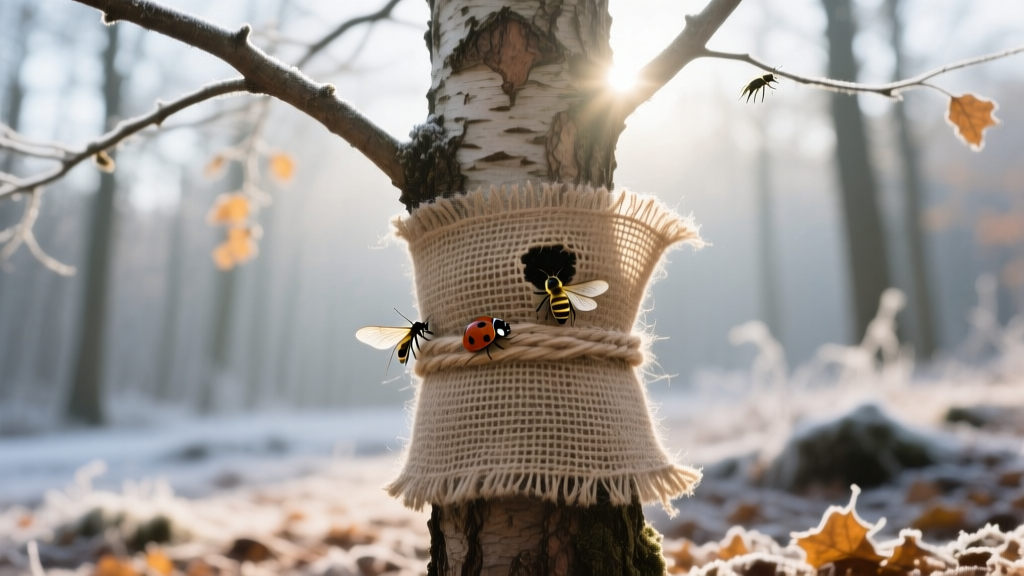
Burlap Tree Wrapping For Sunscald & Beneficial Insects 2026
Robert HayesPublished
The Threat of Winter Sunscald in 2026
As we navigate the 2026 winter season, protecting vulnerable landscape trees from environmental stress remains a top priority for eco-conscious arborists and homeowners. Winter sunscald, often referred to as southwest injury, is a devastating physiological disorder that primarily affects thin-barked tree species such as maples (Acer), ashes (Fraxinus), crabapples (Malus), and stone fruits (Prunus). During the day, the winter sun heats the bark on the southwest-facing side of the trunk, stimulating cellular activity and breaking dormancy. When the sun sets and temperatures plummet below freezing, these active cells freeze and rupture, leading to vertical cracking, bark splitting, and severe cambium damage.
According to research highlighted by the Michigan State University Extension, this cyclic freezing and thawing can girdle young trees, making them highly susceptible to secondary fungal pathogens and wood-boring insects. While commercial tree wraps have long been the standard defense, the modern 2026 approach to tree care demands that we look beyond mere temperature regulation. We must also consider how our protective materials interact with the local ecosystem, specifically the overwintering habitats of beneficial insects and bio-control agents that keep pest populations in check.
The Intersection of Burlap Wrapping and Beneficial Insects
When discussing tree wrapping, the conversation rarely touches upon entomology. However, the bark of your trees is a thriving micro-habitat. During the late autumn months, dozens of beneficial insect species seek refuge in the deep crevices, furrows, and corky layers of tree trunks to survive the winter. Species such as the convergent lady beetle (Hippodamia convergens), green lacewings (Chrysoperla species), and various predatory mites use the bark as an insulated overwintering sanctuary. These bio-control agents are critical for naturally suppressing aphid, scale, and spider mite populations when spring arrives.
The choice of wrapping material directly dictates whether these beneficial insects survive the winter. Many homeowners mistakenly use polypropylene plastic wraps or tightly bound synthetic tapes. These non-breathable materials trap moisture against the bark, creating a humid microclimate that encourages fungal diseases like Cytospora canker. More importantly, the condensation buildup can drown or suffocate overwintering beneficial insects, while simultaneously creating an ideal greenhouse environment for destructive pests like the emerald ash borer or flatheaded apple tree borer. Natural, 100% jute burlap is the undisputed champion for 2026 bio-conscious tree care. It provides the necessary shading to prevent sunscald while allowing the trunk to breathe, maintaining a stable, dry environment that supports the survival of dormant beneficial predators.
Pre-Wrap Bio-Control Integration Strategies
Before you apply any burlap wrap, it is vital to prepare the trunk using integrated pest management (IPM) and bio-control strategies. Wrapping a tree that is already harboring active pest colonies will simply protect the pests from winter predators and harsh weather. Follow these 2026 bio-control protocols before wrapping:
- Targeted Dormant Oil Application: In late November, apply a refined dormant horticultural oil (such as Bonide All Seasons Horticultural & Dormant Spray Oil) to the lower trunk. This organic bio-control method smothers the eggs of destructive scale insects and aphids. Because beneficial insects like ladybugs overwinter deeper within the bark fissures or under loose bark flakes, a light, targeted application of dormant oil on the surface will not harm the beneficial populations sheltering below.
- Beneficial Nematode Soil Drench: Many destructive borers and weevils overwinter as larvae in the soil near the root flare. Before the ground freezes solid, apply a drench of Heterorhabditis bacteriophora (Hb) beneficial nematodes. These microscopic bio-control agents actively seek out and destroy overwintering pest larvae in the soil, reducing the spring emergence of trunk-boring adults.
- Trunk Inspection and Cleaning: Gently brush away loose, dead bark flakes and cobwebs from the lower 4 feet of the trunk using a soft-bristled brush. This removes habitats for overwintering pest egg masses (like the spotted lanternfly) without damaging the healthy bark where beneficials reside.
Step-by-Step Burlap Wrapping Guide for 2026
Executing a proper burlap wrap requires attention to timing, material selection, and technique. As noted by the University of Minnesota Extension, wrapping too early can trap moisture and delay the tree's natural cold-hardening process. Follow these steps for optimal sunscald protection and ecological balance:
1. Timing is Everything
Wait until after the first hard freeze of the season, typically late November or early December, depending on your hardiness zone. The tree must be fully dormant. Wrapping in early autumn while the tree is still transpiring will trap excessive moisture and invite fungal pathogens.
2. Select the Right Materials
Purchase 100% natural, untreated jute burlap. In 2026, premium arborist-grade burlap rolls (such as the DeWitt 4-Foot Natural Burlap) are widely available and cost approximately $15 to $25 per roll. Avoid burlap that has been treated with chemical fire retardants or synthetic water-proofing agents, as these can leach into the bark and harm overwintering beneficials.
3. The Wrapping Technique
Start at the root flare (the base of the trunk where it meets the soil) and wrap upward at a slight angle, overlapping each layer by about one-third. Continue wrapping until you reach the first set of scaffold branches. This covers the most vulnerable zone where sunlight reflects off the winter snowpack directly onto the southwest-facing bark.
4. Securing the Wrap Safely
Never use zip-ties, wire, or tight synthetic twine, as these can girdle the tree and crush the outer bark layers where beneficial insects are sheltering. Instead, use natural jute twine or biodegradable arborist tape to secure the top, middle, and bottom of the wrap. Tie it snugly enough to withstand winter winds, but loose enough to allow the bark to expand and contract naturally.
Wrap Material Comparison: Impact on Tree Health and Bio-Control
Choosing the correct material is paramount for balancing sunscald prevention with ecological health. The table below compares common 2026 tree wrap materials based on their efficacy and impact on beneficial insects.
| Wrap Material | Sunscald Protection | Breathability | Impact on Beneficial Insects | Pest & Disease Risk |
|---|---|---|---|---|
| 100% Jute Burlap | Excellent | High | Preserves overwintering predators; dry habitat | Very Low (resists fungal growth) |
| Polypropylene Plastic | Good | None | Suffocates/drowns beneficials via condensation | High (traps moisture, promotes Cytospora) |
| Kraft Paper Wrap | Moderate | Moderate | Neutral, but degrades quickly in wet snow | Moderate (harbors earwigs and moisture) |
| White Latex Paint | Excellent | High | Can seal shallow crevices, limiting beneficial access | Low, but requires annual reapplication |
Spring Unwrapping and Bio-Control Release
The unwrapping process in early spring is just as critical as the initial application. You must remove the burlap wrap in early April, or as soon as the threat of hard freezes and heavy snow reflection has passed. Leaving the wrap on too late into the spring will prevent the trunk from drying out, inhibit natural bark photosynthesis, and trap emerging beneficial insects inside the fabric.
Once the burlap is removed, carefully inspect the trunk for any signs of rodent gnawing or fungal fruiting bodies. To capitalize on the healthy, unwrapped bark and give your tree a biological head start for the 2026 growing season, this is the ideal time to release supplemental bio-control agents. Releasing Trichogramma wasps (parasitic wasps that target moth and borer eggs) and live ladybugs near the base of the tree will establish a robust predatory presence just as spring pests begin to hatch. The wasps will utilize the natural bark crevices to hunt, while the ladybugs will patrol the trunk for early-season aphid colonies.
Conclusion
Winter tree care is no longer just about physical protection; it is about holistic ecosystem management. By utilizing natural jute burlap for sunscald prevention, you shield your vulnerable thin-barked trees from lethal temperature fluctuations while simultaneously safeguarding the overwintering beneficial insects that serve as your garden's natural pest control. Combined with pre-wrap dormant oils and nematode drenches, this 2026 bio-conscious wrapping protocol ensures your trees emerge in the spring not only free from frost cracks but also surrounded by a thriving, balanced biological defense system.
