Tree Care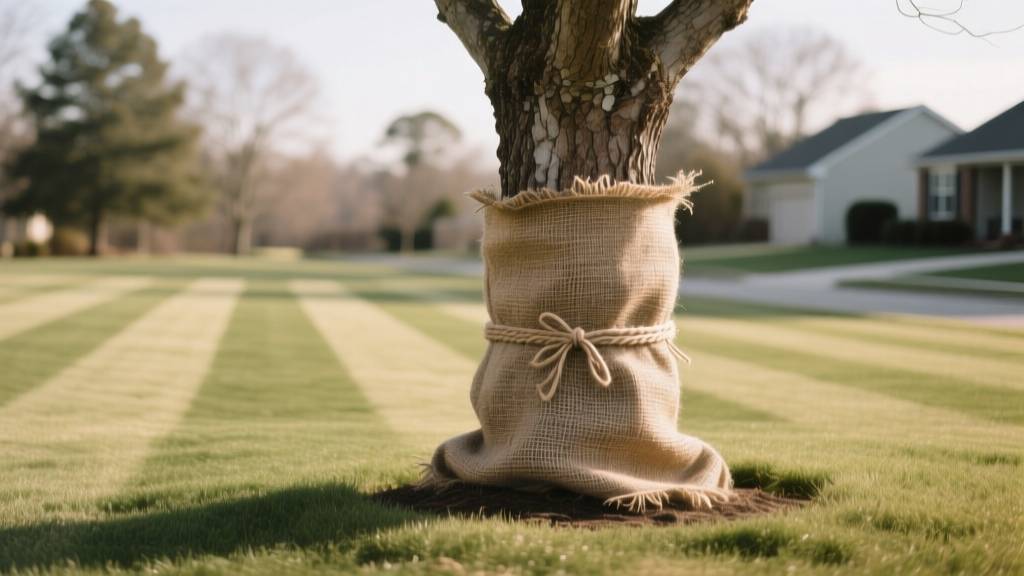
2026 Burlap Tree Wrap Guide: Prevent Sunscald & Boost Aesthetics
Robert HayesPublished
The Intersection of Winter Tree Care and Lawn Aesthetics
For those dedicated to the art of lawn striping and aesthetic landscape patterns, the yard is more than just grass; it is a living canvas defined by symmetry, light, and geometric precision. However, a perfectly striped lawn is only as visually striking as the frame that surrounds it. The trees lining your property provide the essential vertical structure, shade management, and focal points that elevate a simple striped lawn into a masterpiece of landscape design. As we approach the 2026 winter season, protecting these vital landscape anchors from winter damage is paramount.
One of the most insidious threats to your landscape's structural frame is winter sunscald. Furthermore, haphazardly wrapped trees—covered in torn plastics or messy, sagging fabrics—can completely ruin the manicured winter aesthetic you have worked so hard to achieve. By mastering the technique of aesthetic burlap tree wrapping, you not only protect your trees from severe temperature fluctuations but also maintain the crisp, intentional lines that define a high-end landscape. Just as a pristine striped lawn requires overlapping mower passes with mathematical precision, a proper burlap wrap requires consistent, uniform overlaps to protect the cambium layer while looking exceptionally neat.
Understanding Winter Sunscald and Snow Glare
Winter sunscald, often referred to as southwest injury, occurs when the winter sun warms the bark of a tree during the day, stimulating cellular activity in the cambium layer. When the sun sets or drops behind a cloud, temperatures plummet rapidly, killing the newly active cells and resulting in sunken, discolored, and cracked bark. This damage compromises the tree's vascular system, leading to stunted spring growth or even death.
This is where your dedication to lawn aesthetics inadvertently increases the risk to your trees. A meticulously maintained, open lawn area with low-profile ornamental grasses or clean mulch beds allows maximum winter sunlight to reach the trunks of your trees. Furthermore, when snow blankets your pristine lawn, it acts as a massive reflector. According to The Morton Arboretum, this snow glare can intensify UV radiation and heat absorption on the lower trunks of young or thin-barked trees, accelerating the freeze-thaw cycle that causes sunscald.
Trees Most Vulnerable to Sunscald
Before purchasing your materials for the 2026 season, identify which trees in your landscape frame require protection. Thin-barked and young trees are the most susceptible:
- Maples (Acer species): Especially Japanese maples and young sugar maples.
- Ash (Fraxinus species): Highly prone to bark splitting in open, sunny yards.
- Crabapples (Malus species): Often planted as focal points in striped lawn designs.
- Linden (Tilia species): Popular shade trees that suffer greatly from southwest exposure.
- Stone Fruit Trees: Cherries and plums require strict winter trunk protection.
Selecting the Right Burlap for 2026 Landscapes
To maintain the aesthetic integrity of your yard, the material you choose must look intentional and structured. Avoid plastic wraps or synthetic tree tapes that trap moisture and invite fungal pathogens. Natural burlap allows the tree to breathe while diffusing harsh sunlight and insulating against freezing winds. Below is a comparison of the top burlap materials available for the 2026 landscaping season.
| Burlap Type | Aesthetic Appeal | Breathability | 2026 Avg Cost (per 50ft roll) | Best For |
|---|---|---|---|---|
| Natural Jute (Untreated) | High (Classic, rustic elegance) | Excellent | $18 - $24 | Traditional and formal landscapes |
| Synthetic Poly-Burlap | Medium (Uniform, modern weave) | Good | $12 - $15 | High-moisture or heavy snow climates |
| Fleece-Lined Burlap | High (Structured, thick profile) | Moderate | $35 - $45 | Extreme cold zones and delicate ornamentals |
For most residential landscapes where curb appeal and lawn symmetry are priorities, Natural Jute Burlap remains the gold standard. It provides a tailored, professional look that complements the crisp lines of a striped lawn, unlike the shiny, unnatural appearance of poly-blends.
Step-by-Step Aesthetic Burlap Wrapping Technique
Wrapping a tree should not look like an afterthought. To achieve a manicured appearance that matches the precision of your lawn striping patterns, follow this structured wrapping methodology. The ideal time to apply the wrap is in late autumn 2026, just after the first hard frost but before the ground freezes solid.
1. The Base Anchor
Start at the very base of the tree trunk, right where the root flare meets the mulch or soil grade. Secure the end of the burlap roll using a small, discreet landscape staple or a piece of natural jute twine. Ensure the bottom edge is flush with the ground to prevent cold air from funneling up inside the wrap. This clean baseline mirrors the sharp, defined edges of a well-edged garden bed.
2. The Geometric Overlap
Begin wrapping the trunk in a clockwise direction, pulling the burlap taut but not tight enough to constrict the trunk. As you spiral upward, maintain a strict, consistent overlap of exactly two inches. Just as the roller on your lawn striper bends the grass blades uniformly to create alternating light and dark bands, your consistent two-inch overlap creates uniform visual ridges that look highly intentional and professional. Colorado State University Extension notes that proper coverage from the base to the lowest branches is critical for deflecting the low-angle winter sun.
3. Navigating Branch Collars
When you reach the lower scaffold branches, do not wrap over them. Instead, carefully cut the burlap or tuck it neatly around the branch collar, securing it with twine. This prevents moisture buildup in the branch crotches, which can lead to rot and ice damage.
4. The Clean Tie-Off
Once you reach the lowest branching point, cut the burlap cleanly. Secure the top edge with natural jute twine, tying a tight, flat knot. Tuck the loose ends of the twine under the wrap so they are completely hidden from view. The result should be a sleek, columnar wrap that looks like a deliberate architectural feature in your winter landscape.
Protecting the Landscape Frame for Spring Striping
Why go to such meticulous lengths for winter tree care? Because the health of your trees directly impacts the success of your spring and summer lawn striping. Trees that suffer from severe sunscald will experience canopy dieback, resulting in uneven, patchy shade. Cool-season grasses, such as Kentucky Bluegrass and Tall Fescue, rely on the dappled, consistent shade provided by healthy tree canopies to survive the heat of late summer.
If a tree dies or requires severe corrective pruning due to winter bark splitting, the sudden influx of unfiltered UV light will scorch the grass below, destroying the visual continuity of your striping patterns. By investing a few hours in aesthetic burlap wrapping during the winter, you are actively preserving the microclimates that allow your lawn to thrive.
Spring 2027 Transition: Unwrapping and Prepping
The timing of removal is just as critical as the application. Leaving burlap on too long into the spring of 2027 will trap moisture against the warming bark, inviting fungal diseases and boring insects. Monitor your local weather forecasts closely. Once the threat of hard freezes has passed and the daytime temperatures consistently remain above 45 degrees Fahrenheit, it is time to unwrap.
Carefully cut the jute twine and unroll the burlap. Do not pull it off forcefully, as you may damage any tender new bark. Inspect the trunk for any signs of rodent damage or fungal growth. If the trunk is healthy, gently brush away any debris and apply a fresh, uniform layer of mulch around the root zone—keeping it strictly away from the trunk itself to maintain that clean, professional landscape aesthetic. Store your natural jute burlap in a dry, ventilated shed so it can be reused for the 2027 winter season, making this aesthetic tree care practice both sustainable and cost-effective.
Conclusion
Mastering the art of lawn striping is a testament to your dedication to landscape geometry and light. Extending that same level of meticulous care to your trees during the harsh winter months ensures that your entire property remains a cohesive, stunning work of art year-round. By utilizing high-quality natural jute burlap and applying it with precise, uniform overlaps, you protect your trees from the damaging effects of snow glare and sunscald while maintaining the immaculate curb appeal your landscape deserves. Head into the 2026 winter season prepared, and your trees will reward you with the perfect, healthy canopy needed to frame your striped lawn for years to come.