Tree Care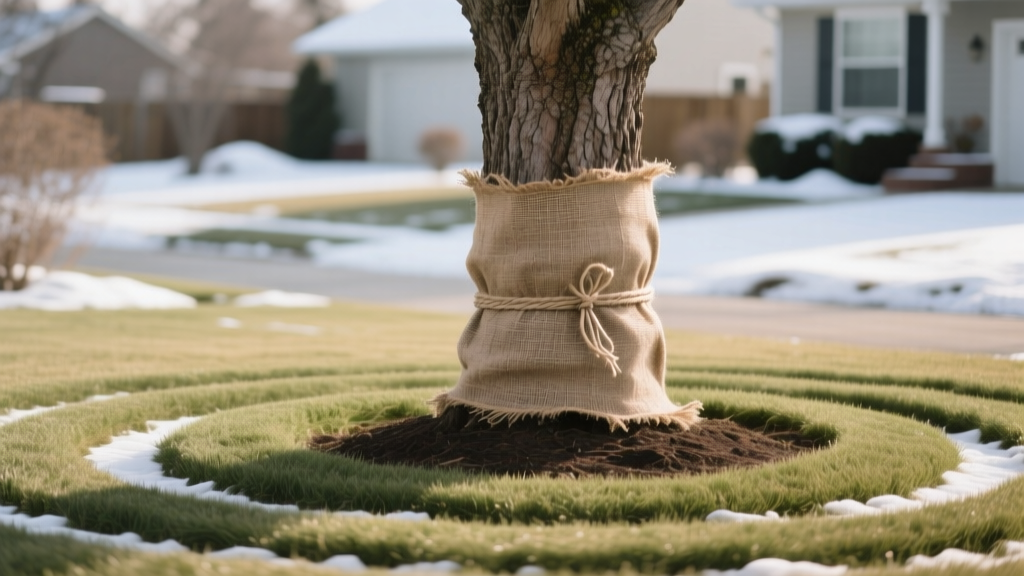
Burlap Tree Wrapping & Mowing Patterns: 2026 Winter Guide
James MillerPublished
The Critical Link Between Mowing Patterns and Winter Tree Health
When homeowners think of winterizing their landscapes, they rarely consider how their summer and fall mowing techniques impact a tree's ability to survive freezing temperatures. As we navigate the erratic freeze-thaw cycles of the 2026 winter season, understanding the intersection of lawn care and tree care is more important than ever. Proper mowing patterns around the base of your trees not only prevent mechanical damage but also set the stage for effective winterization techniques, such as tree wrapping with burlap for sunscald protection.
Sunscald, often referred to as southwest winter injury, is a devastating condition that affects thin-barked and young trees. It occurs when the winter sun heats the bark on the south and southwest sides of the trunk, stimulating cellular activity. When the sun sets or a cloud passes, temperatures plummet, killing the active cambium layer. This results in sunken, discolored, and cracked bark. However, trees that suffer from mechanical damage caused by improper mowing patterns and string trimmers are significantly more vulnerable to this winter stress. By mastering the halo mowing pattern and correctly applying burlap wraps, you can safeguard your landscape's most valuable assets.
Understanding Winter Sunscald and Bark Vulnerability
According to the Colorado State University Extension, sunscald primarily targets species like maple, linden, ash, and fruit trees. The damage compromises the tree's vascular system, making it a prime target for borers and fungal pathogens. In 2026, arborists are noting an increase in sunscald severity due to wider temperature swings in late January and February.
When a mower deck scuffs the trunk or a string trimmer strips the bark (a phenomenon known as string trimmer blight), the tree expends vital energy reserves to compartmentalize the wound. This stress weakens the tree's natural cold-hardiness. Therefore, establishing a safe mowing perimeter is the first, and most crucial, step in any winter sunscald prevention strategy.
The Halo Mowing Pattern: Protecting the Trunk Year-Round
The most effective way to protect tree trunks from mowing damage is to eliminate grass immediately surrounding the base and establish a mulch ring. The Morton Arboretum recommends a mulch ring that extends to the tree's drip line, but at a minimum, a 3-to-4-foot diameter halo should be maintained.
Executing the Halo Mowing Technique
- The Approach: When mowing near the tree, always approach with the mower deck facing away from the trunk. If using a zero-turn mower, utilize the outer edge of the deck to trim the grass right up to the mulch ring boundary.
- The Turn: Never execute a pivot turn inside the tree's canopy. The aggressive tires of modern 2026 zero-turn mowers can easily tear surface roots and scuff the trunk base if the turning radius is too tight.
- The Perimeter Pass: Use a string trimmer only on the outside edge of the mulch ring to define the border. Never let the trimmer string touch the bark or the burlap wrap during winter months.
Step-by-Step Burlap Wrapping for Sunscald Protection
Once the halo mowing pattern is established and the mulch ring is prepped, it is time to apply the burlap wrap. The University of Minnesota Extension highly recommends natural burlap over synthetic tree wraps, as natural fibers allow the trunk to breathe while reflecting harsh winter sunlight.
Materials Needed for 2026
| Material | Specifications | Estimated 2026 Cost |
|---|---|---|
| Natural Burlap Roll | 4-inch to 6-inch width, 100% jute | $12 - $18 per roll |
| Jute Twine | Biodegradable, 2mm thickness | $4 - $6 per spool |
| Staple Gun (Optional) | For securing burlap to wooden stakes | $15 - $25 |
| Wooden Stakes | 1-inch x 2-inch pine, 3 feet tall | $3 - $5 each |
The Wrapping Process
- Start at the Base: Begin wrapping at the bottom of the trunk, just above the mulch line. Ensure the burlap does not sit directly in damp soil or mulch, as this can invite rot and rodents.
- Overlap and Angle: Wrap the burlap upward at a slight angle, overlapping each layer by about one-third of the width. This creates a shingle effect that sheds winter rain and melting snow.
- Cover the Graft Union: For grafted trees, ensure the wrap covers the graft union and extends up to the first major scaffold branches.
- Secure the Top: Tie off the burlap securely with jute twine. Avoid using wire or zip ties, which can girdle the tree as it expands in the spring.
Synchronizing Late-Season Mowing with Wrap Installation
Timing is everything. In most northern and midwestern zones, the final mow of 2026 should occur in late November, just before the ground freezes. This is the exact window to install your burlap wraps. By coordinating your final mowing pattern with the wrap installation, you ensure that the base of the tree is clean, visible, and ready for the burlap.
When performing the final perimeter pass with your string trimmer, be incredibly precise. If you accidentally scuff the bark during this late-fall mow, the tree will not have time to callous over the wound before the deep freezes arrive, rendering your burlap wrap less effective against the cold. Furthermore, ensure that any grass clippings from the final mow are blown away from the tree base. Piling wet clippings against the burlap will trap moisture and defeat the purpose of the breathable wrap.
Common Mistakes to Avoid in 2026
Even experienced landscapers can make critical errors when combining lawn maintenance with winter tree care. One of the most frequent mistakes is volcano mulching, where mulch is piled high against the trunk. Not only does this trap moisture and cause bark decay, but it also forces the burlap wrap to sit on a damp, unstable surface, reducing its insulating properties. Always keep mulch pulled back a few inches from the actual trunk flare.
Another common error is using synthetic, plastic-based tree wraps instead of natural burlap. While plastic wraps might seem convenient, they trap heat during sunny winter days and moisture during thaws, effectively cooking the cambium layer and accelerating fungal rot. Natural burlap remains the gold standard for 2026 tree care protocols because it moderates temperature fluctuations without suffocating the bark.
Finally, avoid the temptation to mow wet, late-season grass near the tree base. Wet grass clumps easily and can be thrown against the trunk by the mower deck, creating a damp, freezing layer against the bark. Always wait for a dry, crisp late-fall afternoon to execute your final mowing patterns and install your burlap wraps.
Spring Unwrapping and Resuming Mowing Patterns
As the 2026 spring thaw begins, typically around late March or early April depending on your hardiness zone, the burlap must be removed. Leaving the wrap on too long traps spring moisture, encouraging fungal diseases and providing a hidden habitat for trunk-boring insects.
Once the burlap is removed and composted, inspect the trunk for any signs of sunscald or winter damage. If the bark is intact, resume your halo mowing pattern immediately as the grass begins to green up. Refresh the mulch ring, maintaining a 2-to-3-inch depth, and ensure that your mower deck is set high enough to avoid scalping the soil near the tree roots. By treating mowing techniques and winter wrapping as a continuous, year-round cycle, you guarantee the long-term health, structural integrity, and beauty of your landscape trees.
