Tree Care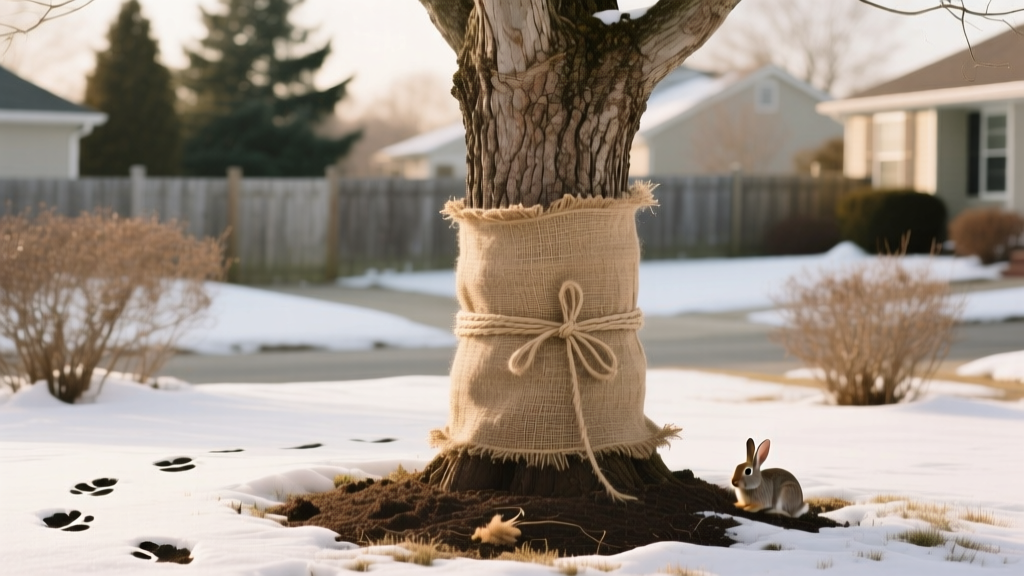
Burlap Tree Wrapping 2026: Sunscald & Wildlife Defense
Sarah ChenPublished
The Dual Threat: Winter Sunscald and Wildlife Foraging
As we navigate the shifting climate patterns of 2026, winter tree care has become more complex than ever. Homeowners and land managers are increasingly facing a dual threat during the colder months: severe winter sunscald and intensified wildlife browsing. When the winter sun beats down on the southwest-facing side of a young tree, the bark temperature can rise significantly above the ambient air temperature. This tricks the cambium layer into breaking dormancy. When the sun sets and temperatures rapidly plummet below freezing, those active cells freeze and rupture, leading to sunscald. This results in cracked, peeling bark and exposed inner tissues.
From a wildlife management perspective, this damage acts as a beacon. Deer, rabbits, and voles are notorious for struggling to find adequate forage in late winter. The sweet, nutrient-rich cambium exposed by sunscald splits is highly attractive to these animals. According to the Colorado State University Extension, trees suffering from frost cracks and sunscald are disproportionately targeted by wildlife, which can quickly girdle and kill a young tree. Therefore, protecting your trees requires a strategy that addresses both the abiotic stress of temperature fluctuations and the biotic pressure of hungry yard animals.
Why Burlap is the 2026 Standard for Dual Protection
In the past, many gardeners relied on white plastic tree guards or tar paper to reflect sunlight. However, modern arboricultural guidelines for 2026 heavily favor natural burlap for integrated pest and climate management. Burlap is highly breathable, which prevents the trapping of moisture that often leads to fungal pathogens and trunk rot. Unlike plastic wraps, which can accidentally overheat on bright, unseasonably warm winter days and cook the cambium, burlap provides consistent, dappled shade that moderates the bark's temperature without completely blocking air circulation.
Furthermore, heavy-duty burlap serves as an excellent physical deterrent against browsing animals. While deer can easily strip bark from an unprotected tree, the rough, fibrous texture of burlap is highly unpalatable and difficult for rabbits and deer to chew through. When applied correctly, burlap wrapping masks the scent of the tree's sap and creates a formidable barrier that encourages wildlife to move on to easier foraging grounds.
Step-by-Step Burlap Wrapping Technique
To achieve maximum protection against both sunscald and wildlife, proper application is critical. Incorrect wrapping can do more harm than good by trapping moisture or creating a haven for rodents. Follow this step-by-step guide for the 2026 winter season:
- Trunk Preparation: Wait until the tree is fully dormant and the ground has experienced its first hard freeze. Inspect the trunk for any existing wounds or insect bore holes. Treat any minor issues with an appropriate horticultural oil or dormant spray before wrapping.
- Base Anchoring: Start your wrap at the very base of the trunk, just above the soil line or mulch layer. Secure the end of the burlap with a piece of natural jute twine. Avoid using wire, zip ties, or rubber bands, as these can girdle the tree as it grows or shifts in the wind.
- Overlapping Upward: Wrap the burlap tightly around the trunk, moving upward. Ensure each new layer overlaps the previous one by at least one-third of the burlap's width. This "shingle effect" ensures that winter rain and melting snow shed away from the trunk rather than soaking into the fabric.
- Securing the Top: Continue wrapping until you reach the first major scaffold branches. Tie off the burlap securely with jute twine in multiple places to prevent winter winds from unraveling your work.
Managing Voles and Mice: The Hidden Winter Threat
While burlap excels at deterring above-ground browsers like deer and rabbits, it introduces a unique challenge regarding subnivean (under-snow) rodents. Voles and field mice love the dark, protected environment that a burlap wrap provides. If snow piles up against the wrapped trunk, voles will tunnel under the snow, bypass the burlap, and chew on the tender bark at the root flare, often killing the tree before spring arrives. The University of Minnesota Extension emphasizes that winter vole damage is a leading cause of unexplained tree death in residential landscapes.
To mitigate this risk, you must combine your burlap wrap with a rigid physical barrier at the base. Before applying the burlap, install a collar of 1/4-inch galvanized hardware cloth around the bottom 12 to 18 inches of the trunk. Bury the bottom edge of the hardware cloth 2 inches into the soil to prevent voles from tunneling underneath. Once the hardware cloth is secure, apply your burlap wrap over the top of it. This dual-layer approach provides the thermal shading of burlap with the impenetrable rodent defense of steel mesh.
Comparison Chart: Tree Wraps for Sunscald and Wildlife
Choosing the right material is essential for balancing tree health and wildlife deterrence. Below is a comparison of common tree wrap materials used in 2026:
| Material | Sunscald Protection | Deer/Rabbit Deterrence | Vole Risk | Breathability |
|---|---|---|---|---|
| Natural Burlap | Excellent (Dappled shade) | High (Unpalatable texture) | Moderate (Requires base mesh) | Excellent |
| White Plastic Guards | Good (Reflects light) | Moderate (Can be chewed) | High (Traps heat/cover) | Poor |
| Kraft Paper Wrap | Moderate | Low (Easily torn) | Low (Degrades quickly) | Good |
| Hardware Cloth Only | None (Does not shade) | High (Physical barrier) | None (If buried properly) | Excellent |
2026 Recommended Products and Wildlife Repellents
For optimal results, invest in high-quality, 10-ounce per yard heavy-duty natural burlap. Thinner, decorative burlaps often tear under the weight of wet snow and offer little protection against determined rabbits. When securing the wrap, use biodegradable jute twine, which will naturally break down if a small piece is accidentally left on the tree in the spring.
Because burlap wrapping is typically only practical for the lower 3 to 4 feet of a tree's trunk, the upper trunk and lower branches remain vulnerable to deer browsing and antler rubbing. To protect these areas, integrate a 2026-formulation organic wildlife repellent. Products utilizing putrescent egg solids or fermented blood meal, such as Plantskydd or Liquid Fence, are highly effective when applied in late autumn. Apply these repellents to the upper branches on a dry day when temperatures are above freezing, allowing the formula to cure before winter precipitation begins.
Spring Removal and Ongoing Tree Health
Knowing when to remove your burlap wraps is just as important as knowing when to apply them. According to the University of Minnesota Extension, wraps should be removed in early spring as soon as the threat of hard freezes and heavy snow has passed, typically around the time the tree's buds begin to swell. Leaving burlap on too long into the spring traps moisture against the bark, creating an ideal environment for fungal diseases and bacterial cankers. Furthermore, as the tree resumes its spring growth, any twine or tightly wrapped fabric can quickly girdle the expanding trunk, cutting off the flow of nutrients and water.
When you unwrap your trees, carefully inspect the bark for any signs of rodent chewing, fungal growth, or sunscald damage that may have occurred. Dispose of the used burlap, as reusing it the following year can transfer overwintering insect eggs or fungal spores back onto your trees. By combining the thermal protection of burlap with strategic hardware cloth and modern repellents, you can ensure your landscape trees survive the winter of 2026 completely unscathed by both the elements and the local wildlife.
