Tree Care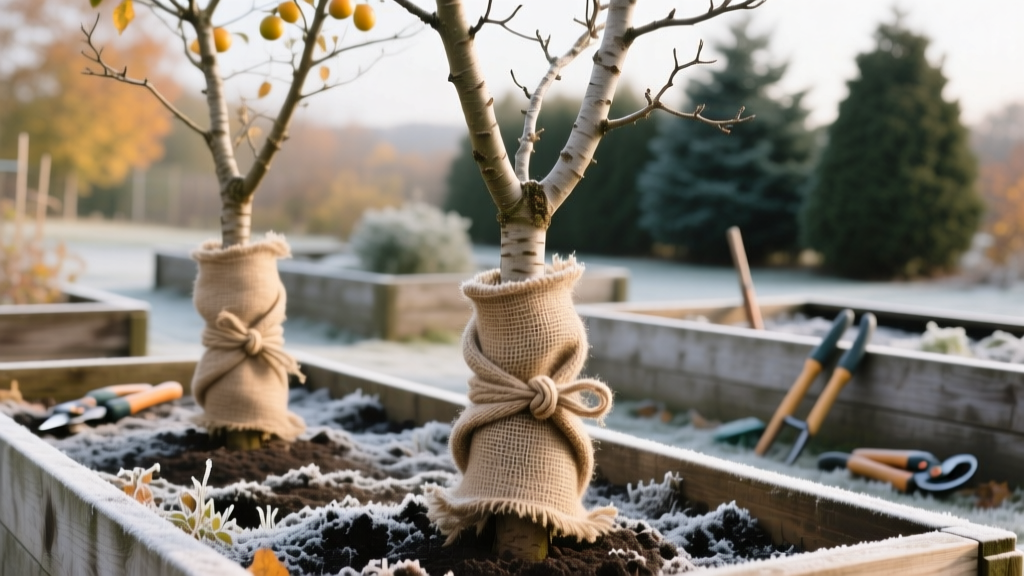
Burlap Tree Wrapping for Winter Sunscald Guide 2026
Robert HayesPublished
The Intersection of Raised Bed Gardening and Dwarf Fruit Trees
For dedicated raised bed vegetable gardeners, maximizing space and creating a resilient, closed-loop ecosystem is always the ultimate goal. In recent years, the integration of dwarf fruit trees—such as columnar apples, semi-dwarf cherries, and patio peaches—into the permaculture borders of raised bed systems has become a hallmark of advanced urban and suburban homesteading. By planting these trees on the southern or western perimeters of your vegetable beds, you avoid shading your sun-loving summer crops like tomatoes and peppers. However, this strategic placement introduces a significant winter vulnerability: the trunk is left entirely exposed to the harsh, low-angled southwest winter sun.
As we navigate the erratic winter temperature swings of 2026, protecting the delicate bark of these young, thin-barked fruit trees is more critical than ever. Just as you would deploy frost blankets over your winter spinach and kale, your integrated fruit trees require a specialized protective layer to survive the freezing months. Burlap tree wrapping remains the gold standard for preventing winter sunscald, and mastering this technique is an essential skill for the modern raised bed gardener.
Understanding Winter Sunscald (Southwest Injury)
Winter sunscald, often referred to as southwest injury, is a physiological disorder that primarily affects young trees with thin bark, including maples, crabapples, plums, and the aforementioned dwarf fruit trees. During the winter, the low-angled sun beats down on the southwest-facing side of the tree trunk. This intense solar radiation warms the bark and the underlying cambium layer, essentially tricking the tree into breaking its winter dormancy on that specific side.
When the sun sets and temperatures rapidly plummet below freezing, the active cells in the cambium layer freeze and rupture. According to the University of Minnesota Extension, this freeze-thaw cycle results in dead, sunken, or cracked bark that typically becomes visible in the spring. This damage not only stunts the growth of your fruit tree but also creates an open invitation for fungal pathogens and wood-boring insects. For a raised bed gardener relying on a dwarf cherry tree for summer harvests, a severe case of sunscald can mean the loss of several years of fruit production.
Why Burlap is the Gold Standard for 2026
While the market is flooded with synthetic tree wraps and paper-based alternatives, natural jute burlap remains the superior choice for 2026. Burlap is highly breathable, allowing the tree trunk to exchange gases and release excess moisture, which prevents the buildup of fungal spores beneath the wrap. Furthermore, as a raised bed vegetable gardener, you likely already keep rolls of natural burlap on hand for weed suppression, potato sack cultivation, or shading cool-weather crops during unseasonably warm autumn spells.
As of early 2026, the cost of natural, untreated jute burlap has stabilized at approximately $14 to $18 for a standard 12-inch by 108-inch roll at major garden centers, making it an economical choice for protecting multiple trees bordering your vegetable beds.
Material Comparison: Tree Wrap Options
| Material | Breathability | Moisture Retention | Pest Resistance | Best Use Case |
|---|---|---|---|---|
| Natural Jute Burlap | Excellent | Low (Dries Quickly) | Moderate (Needs wire base) | Integrated raised bed fruit trees |
| Polyurethane Plastic | Poor | High (Traps Condensation) | High | Not recommended; promotes rot |
| Kraft Paper Wrap | Good | Moderate | Low (Degrades in wet snow) | Temporary nursery transport |
| Fleece Frost Blanket | Excellent | Low | Low | Short-term extreme cold snaps |
Step-by-Step Burlap Wrapping Guide
Wrapping your dwarf fruit trees is a straightforward process, but it requires attention to detail to ensure maximum protection without suffocating the trunk. Follow these steps to properly wrap your trees before the first hard freeze.
1. Prepare the Trunk and Base
Before wrapping, inspect the trunk for any signs of existing damage or pest activity. Clear away any heavy mulch or soil that has piled up against the root flare. As raised bed gardeners, we are prone to plying our beds with thick layers of straw or leaf mold; ensure this organic matter is pulled back a few inches from the tree's base to prevent collar rot.
2. Install a Rodent Barrier
Voles and mice are a constant threat to winter vegetable gardens, often tunneling under raised beds to feed on overwintering garlic and root crops. These same rodents will happily girdle the tender bark of your fruit trees. Cut a piece of 1/4-inch galvanized hardware cloth to form a cylinder around the base of the trunk. Bury the bottom edge two inches into the soil and ensure it extends at least 18 inches above the anticipated snow line.
3. Apply the Burlap
Start at the base of the trunk, just above the hardware cloth. Wrap the burlap snugly around the trunk, overlapping each layer by about one-third of the width. Continue wrapping upward until you reach the first set of lower branches. The Colorado State University Extension emphasizes that the wrap must cover the entire southwest-facing surface to effectively block the solar radiation that triggers cambium activation.
4. Secure the Wrap
Use natural jute twine or biodegradable cotton string to tie off the burlap at the top, middle, and bottom. Avoid using zip ties, wire, or duct tape, as these can girdle the tree as it expands during the spring growth flush. The burlap should be tight enough to stay in place during high winter winds, but loose enough that you can slip a finger between the wrap and the bark.
Syncing Tree Wrapping with Winter Bed Preparation
One of the greatest efficiencies of integrating tree care into your raised bed routine is the ability to synchronize your seasonal chores. The ideal time to wrap your fruit trees is in late autumn, precisely when you are winterizing your vegetable beds. When you are planting your hardneck garlic cloves, sowing winter cover crops like hairy vetch, and applying a thick layer of compost to your empty beds, take an extra hour to wrap the trees bordering your garden.
By tying these tasks together, you ensure that your trees are protected before the first sudden cold snap. In 2026, meteorological models suggest earlier and more volatile freeze-thaw cycles in many temperate zones, meaning waiting until mid-December could leave your trees vulnerable to early sunscald damage.
Common Mistakes to Avoid
Even experienced gardeners can make errors when winterizing their landscape. Avoid these common pitfalls to ensure your fruit trees remain healthy and productive:
- Leaving the wrap on too long: Burlap must be removed in early spring as soon as the threat of hard freezes has passed and the tree prepares to leaf out. Leaving it on during the wet spring months traps moisture and encourages fungal diseases like Cytospora canker.
- Wrapping the entire canopy: While burlap is sometimes used to wrap the foliage of broadleaf evergreens like boxwoods to prevent winter desiccation, dwarf deciduous fruit trees only require trunk protection. Wrapping the branches can damage dormant buds and invite rodent nesting.
- Using treated burlap: Ensure the burlap you use is natural and untreated. Some commercial burlaps are treated with chemical fire retardants or synthetic dyes that can leach into the soil of your raised beds during winter rains, potentially contaminating your vegetable garden.
Spring Removal and Ongoing Care
When the soil in your raised beds begins to thaw and you prepare to direct-sow your first spring crops like peas and radishes, it is time to unwrap the trees. Carefully cut the twine and remove the burlap. Inspect the trunk for any signs of overwintering pests or fungal fruiting bodies. Store the burlap in a dry, well-ventilated shed; high-quality jute can be reused for two to three seasons before it degrades into the compost pile.
A healthy, well-protected fruit tree will reward you with a robust canopy and a heavy fruit set, perfectly complementing the harvest from your raised vegetable beds. Taking the time to understand and prevent winter sunscald is an investment in the long-term synergy of your garden ecosystem.
By treating your dwarf fruit trees with the same meticulous care you apply to your prized heirloom tomatoes, you ensure a thriving, multi-layered garden that provides fresh, homegrown produce from the soil level all the way up to the canopy.