Tree Care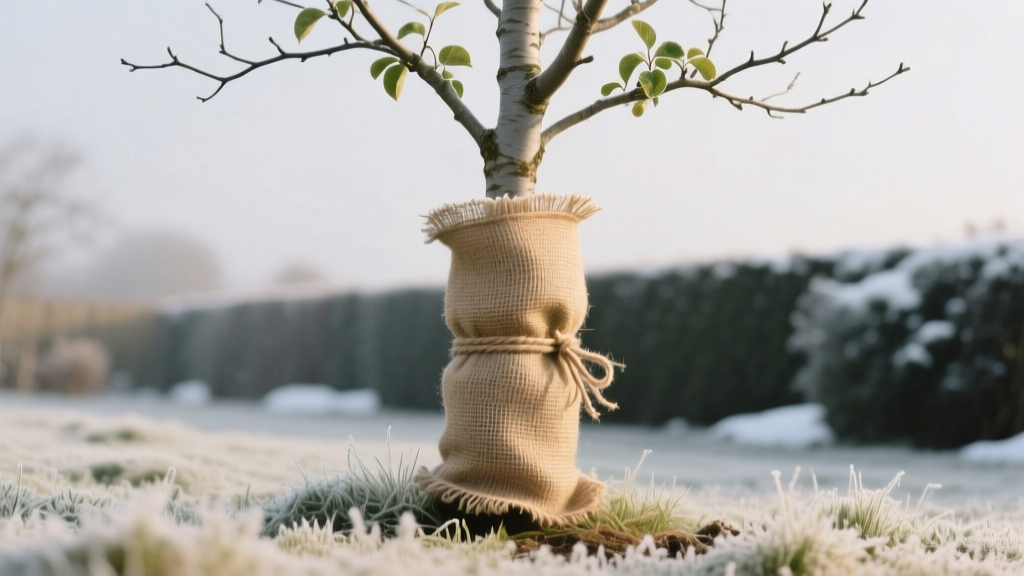
2026 Guide: Burlap Wrapping Fruit Trees for Sunscald
Emily WatsonPublished
The Threat of Winter Sunscald in Edible Landscapes
As edible landscaping and foodscaping continue to dominate home garden trends in 2026, integrating fruit and nut trees into our outdoor spaces has never been more popular. However, the transition from late autumn into deep winter poses a severe, often overlooked threat to young edible trees: winter sunscald. Also known as southwest injury, sunscald occurs when the winter sun heats the bark of dormant trees during the day, only for temperatures to plummet below freezing at night. This rapid temperature fluctuation causes the active cells in the cambium and phloem layers to rupture, leading to cracked, peeling bark and severe vascular damage.
In a foodscape, where every tree is a vital producer of future harvests, sunscald can be devastating. Damaged bark disrupts the flow of nutrients and water, stunting spring growth, reducing fruit set, and creating open wounds that invite fungal pathogens and wood-boring insects. For young fruit trees with thin bark—such as cherries, peaches, and dwarf apples—sunscald can be fatal. According to tree health experts at the Morton Arboretum, protecting the trunk during the winter months is one of the most critical maintenance tasks for ensuring the long-term viability of your edible landscape.
Why Burlap is the Gold Standard for Foodscaping
In the permaculture and edible landscaping communities of 2026, there is a strong emphasis on soil health, ecological balance, and the elimination of synthetic materials. While commercial nurseries often use white plastic spiral tree guards or polypropylene wraps, these materials are increasingly frowned upon in home foodscapes. Plastic guards can trap excess moisture against the bark, promoting fungal rot, and as they degrade under UV light, they shed microplastics directly into the soil ecosystem where your edible plants grow.
Natural jute burlap has emerged as the premier choice for wrapping fruit trees. It is 100% biodegradable, highly breathable, and aligns perfectly with organic gardening principles. Burlap reflects harsh winter sunlight while allowing the trunk to breathe, preventing the buildup of condensation that leads to Cytospora canker and other bark diseases. Furthermore, the Colorado State University Extension notes that reflective, breathable wraps are the most effective method for moderating bark temperature fluctuations during the winter months.
2026 Tree Wrap Material Comparison
When planning your winter foodscape maintenance, it is crucial to choose the right materials. Below is a comparison of the most common tree wrapping materials available this year:
| Material | Breathability | Microplastic Risk | Est. 2026 Cost per Tree | Best For |
|---|---|---|---|---|
| Natural Jute Burlap | Excellent | None (Biodegradable) | $1.50 - $2.50 | Edible landscapes, organic orchards |
| Plastic Spiral Guards | Poor | High (UV degradation) | $3.00 - $5.00 | Non-edible ornamental street trees |
| Kraft Paper Wrap | Good | None | $1.00 - $1.50 | Short-term protection, mild winters |
| Synthetic Fleece | Moderate | Moderate | $4.00 - $6.00 | Extreme cold zones (non-edible) |
Step-by-Step Guide to Wrapping Fruit Trees with Burlap
Proper application is just as important as the material itself. If wrapped incorrectly, burlap can wick moisture away from the trunk or create pockets where ice can accumulate. Follow this step-by-step guide to prepare your edible trees for the 2026 winter season.
1. Timing Your Application
Do not wrap your trees too early in the fall. Wrapping while the weather is still warm can trap heat and delay the tree's natural hardening-off process. Wait until late November or early December, after the first few hard frosts have occurred and the tree has entered full dormancy, but before the deep, sustained freezes of mid-winter set in.
2. Gather Your Materials
You will need a roll of 100% natural, untreated jute burlap (avoid burlap treated with chemical fire retardants or synthetic dyes, as these can leach into your foodscape soil). Cut the burlap into strips approximately 6 inches wide. You will also need natural jute twine or biodegradable hemp cord for securing the wrap.
3. The Bottom-Up Wrapping Technique
Always start wrapping at the base of the trunk and work your way up. Begin slightly below the soil line or right at the root flare, ensuring the lowest section of the trunk is protected. Overlap each subsequent layer by about one-third to one-half of the strip's width. Wrapping from the bottom up acts like shingles on a roof; if melting snow or winter rain hits the trunk, the water will shed off the overlapping layers rather than seeping underneath and freezing against the bark.
4. Securing the Wrap
Continue wrapping until you reach the first major scaffold branches. Secure the top of the burlap tightly with your natural twine. Never use wire, zip ties, or synthetic tape, as these can girdle the trunk as the tree experiences minor winter swelling or spring growth. Tie a secure knot, but ensure the twine is not digging into the bark.
Which Edible Trees Require Wrapping the Most?
Not all trees in your foodscape require winter wrapping. Mature trees with thick, corky, or deeply fissured bark are generally well-insulated against sunscald. However, young trees (under 5 years old) and species with naturally thin, smooth bark are highly vulnerable. Prioritize the following edible trees in your 2026 winter prep:
- Cherries (Prunus avium and Prunus cerasus): Both sweet and tart cherries have notoriously thin bark and are highly susceptible to southwest injury and subsequent bacterial canker infections.
- Peaches and Nectarines: These stone fruits are prone to frost cracking, where the trunk splits vertically due to rapid freezing and thawing.
- Dwarf Apples and Pears: Trees grafted onto dwarfing rootstocks (such as Malling 9 or Budagovsky 9) often have thinner bark than standard-sized trees and require protection in exposed foodscapes.
- Asian Persimmons (Diospyros kaki): Young persimmon trees are incredibly vulnerable to winter sunscald, which can severely stunt their early establishment.
- Figs (Ficus carica): In USDA zones 6 and 7, figs are often wrapped not just for sunscald, but for overall cold protection. Burlap stuffed with dry leaves provides excellent insulation for the main trunk.
Pest Management: The Vole and Mouse Factor
One of the primary drawbacks of wrapping trees with any material, including burlap, is that it creates a warm, dark, and protected environment for overwintering rodents. Voles and field mice are notorious for hiding under tree wraps and chewing through the inner bark (girdling) to access the nutrient-rich phloem. A girdled fruit tree will die in the spring, completely destroying your foodscape investment.
To mitigate this risk in 2026, you must integrate rodent barriers into your wrapping routine. Before applying the burlap, install a cylinder of 1/4-inch galvanized hardware cloth around the base of the tree. The hardware cloth should extend 2 inches below the soil surface to prevent voles from tunneling underneath, and rise at least 18 to 24 inches above the anticipated snow line. Apply the burlap wrap over the hardware cloth. This dual-layer approach provides the thermal and UV protection of the burlap while maintaining an impenetrable physical barrier against rodents.
Spring Unwrapping and Canopy Care
Knowing when to remove the burlap is just as critical as knowing when to apply it. Leaving the wrap on too late into the spring traps moisture against the bark as the sap begins to flow, creating a breeding ground for fungal diseases and rot. In early spring—typically March, depending on your local 2026 climate zone—remove the burlap as soon as the threat of severe, fluctuating freeze-thaw cycles has passed and the buds begin to swell.
Once the burlap and hardware cloth are removed, inspect the trunk thoroughly. Look for any signs of cracking, oozing sap, or rodent damage. If you notice any minor cracks, do not apply commercial tree wound paints or sealants, as these trap moisture and impede the tree's natural compartmentalization process. Instead, allow the tree to heal naturally. If you spot overwintering scale insects or aphid eggs on the lower trunk or scaffold branches, apply a dormant horticultural oil spray before the buds break to ensure a healthy, pest-free start to the growing season.
Aesthetic Integration in the Winter Foodscape
Foodscaping is as much about visual appeal as it is about yield. In the dormant winter months, the edible landscape can sometimes look barren. Fortunately, natural jute burlap integrates beautifully into a winter garden design. Its earthy, rustic texture complements dormant berry canes, ornamental grasses, and thick layers of wood chip mulch. To elevate the aesthetic of your wrapped fruit trees, consider tying the burlap with decorative, natural hemp bows, or surround the base of the tree with dried ornamental grass bundles to hide the hardware cloth and create a curated, intentional look that maintains the beauty of your edible landscape even in the depths of winter.
