Tree Care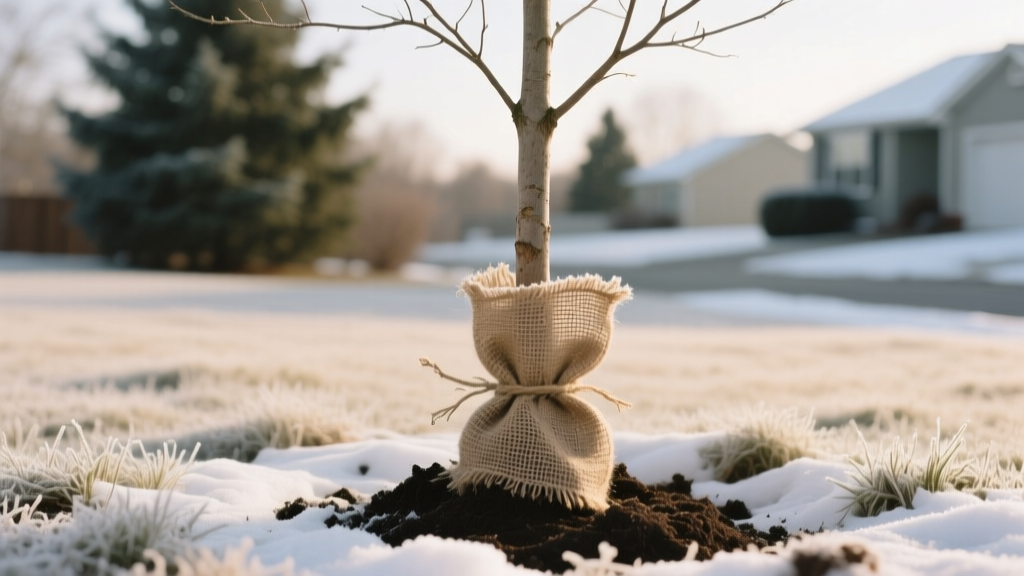
Burlap Tree Wrapping for Winter Sunscald Protection in 2026
James MillerPublished
Integrating Winter Protection into Your Tree Planting Strategy
When selecting and planting a new tree for your landscape, the initial establishment phase is critical for long-term health. As we navigate the increasingly erratic winter temperature swings of 2026, protecting young, vulnerable bark from environmental stress is a non-negotiable step in the planting process. One of the most insidious threats to newly planted trees in colder climates is winter sunscald. This guide explores the science behind sunscald, why burlap remains the gold standard for protection, and how to properly integrate tree wrapping into your seasonal planting and care schedule.
Understanding Winter Sunscald and Southwest Injury
Winter sunscald, often referred to as "southwest injury," occurs on bright, cold winter days when the sun heats the bark of a tree, particularly on the south and southwest-facing sides. This localized heating stimulates the cambium layer (the active growing tissue just beneath the bark) to break dormancy and become active. When the sun sets or clouds roll in, the temperature plummets rapidly. The sudden freeze kills the newly activated cells, resulting in sunken, discolored, and cracked bark that becomes visible in the spring.
According to the University of Minnesota Extension, this damage compromises the tree's vascular system, making it highly susceptible to wood-boring insects, fungal pathogens, and structural failure. For newly planted trees, which have not yet developed the thick, insulating corky bark of mature specimens, sunscald can be fatal.
Tree Selection: Which Species Require Burlap Wrapping?
Not all trees require winter wrapping. When planning your landscape and selecting trees at the nursery, you must consider the bark thickness and native hardiness of the species. Thin-barked trees and those recently transplanted from nursery environments (where they may have been partially shaded) are at the highest risk.
High-Risk Species (Always Wrap Newly Planted)
- Maples: Especially Norway, Sugar, and Japanese maples.
- Fruit Trees: Apple, cherry, plum, and peach trees.
- Lindens: American and Littleleaf lindens.
- Crabapples: All ornamental crabapple varieties.
- Honeylocust: Particularly thornless varieties with smooth bark.
Low-Risk Species (Rarely Need Wrapping)
- Oaks (White, Red, Bur)
- Pines and Spruces (Conifers are generally protected by their needles and thicker bark)
- Mature trees of any species with deeply furrowed, thick bark
Selecting the Right Burlap in 2026
While commercial plastic tree guards and white paper wraps are available, horticulturists consistently recommend natural burlap for its superior breathability and moisture-regulating properties. In 2026, landscape suppliers offer several grades of burlap, but not all are suitable for direct trunk contact.
- Material: Always choose 100% natural jute burlap. Synthetic blends or plastic "burlap" meshes do not breathe properly and can trap excess moisture against the bark, promoting fungal rot.
- Weight and Weave: Look for a medium-weight burlap (approximately 8 to 10 ounces per square yard). The weave should be tight enough to block direct solar radiation but loose enough to allow air circulation.
- Width: A 4-inch to 6-inch wide burlap roll is ideal for standard caliper trees (1.5 to 2.5 inches in diameter). For larger specimen plantings, a 12-inch width reduces the number of overlapping layers needed.
- Cost: In 2026, a high-quality 150-foot roll of natural jute burlap typically costs between $22 and $35, which is enough to wrap dozens of newly planted trees.
Step-by-Step Guide to Wrapping Trees with Burlap
Proper application is just as important as material selection. Wrapping should be done in late fall, ideally after the first hard freeze when the tree has entered full dormancy, but before the ground freezes solid.
Step 1: Prepare the Trunk
Inspect the trunk for any existing wounds, insect damage, or fungal issues. Do not wrap a diseased or damaged trunk without first treating the issue, as the wrap will create a microclimate that accelerates pathogen growth. Ensure the tree is well-watered before the ground freezes; winter desiccation often compounds sunscald damage.
Step 2: Anchor the Base
Start wrapping at the very base of the trunk, just above the root flare and mulch line. Hold the end of the burlap against the trunk and secure it with a piece of natural jute twine. Never use wire, zip ties, or duct tape, as these will girdle the tree as it grows and cut into the cambium.
Step 3: Wrap Upward with Overlap
Wrap the burlap upward in a spiral motion. Overlap each previous layer by about one-third to one-half of the burlap's width. This overlapping technique is crucial: it acts like shingles on a roof, shedding melting snow and winter rain away from the bark rather than trapping it against the trunk.
Step 4: Cover the Vulnerable Zone
Continue wrapping until you reach the first major scaffold branches (the lowest crotch of the tree). The lower 3 to 4 feet of the trunk are the most susceptible to sunscald because snow reflection amplifies the solar radiation in this zone.
Step 5: Secure the Top
Once you reach the desired height, cut the burlap and tie it off securely with natural twine. You can also use a few small, biodegradable wooden stakes gently tapped into the bark to hold the top edge if tying is difficult, but twine is preferred.
Comparison: Burlap vs. Alternative Tree Guards
When planning your planting budget and maintenance schedule, it is helpful to compare burlap against other common winter protection methods available on the market.
| Protection Method | Breathability | Moisture Management | Rodent Protection | Best Use Case |
|---|---|---|---|---|
| Natural Jute Burlap | Excellent | Sheds water (if overlapped) | Poor (needs wire mesh overlay) | Sunscald protection on newly planted, thin-barked trees. |
| White Paper Tree Wrap | Good | Absorbs moisture, degrades fast | Poor | Budget-friendly, short-term sunscald protection. |
| Corrugated Plastic Guards | Poor | Traps condensation | Excellent | Rodent/mower protection; must be removed in early spring. |
| Hardware Cloth (Wire Mesh) | Excellent | N/A | Excellent | Strictly for rodent/mechanical damage; does not prevent sunscald. |
Note: If voles or rabbits are a severe issue in your area, the Colorado State University Extension recommends wrapping the trunk with burlap first for sunscald protection, and then loosely encasing the lower 2 feet in 1/4-inch hardware cloth to deter rodents.
Spring Removal and Post-Planting Aftercare
One of the most critical aspects of tree wrapping is knowing when to remove it. Leaving burlap on the tree into the late spring or summer is a common and devastating mistake. As the tree breaks dormancy in early spring, the burlap can trap excess moisture against the warming bark, leading to severe fungal cankers and bark rot. Furthermore, as the trunk expands during the spring growth flush, the twine and burlap can quickly girdle the tree.
Removal Timeline: Remove the burlap wrap in early spring, typically around the time the first buds begin to swell or immediately after the last hard freeze of the season. In most northern climates, this falls between late March and mid-April.
Once removed, inspect the trunk for any signs of winter damage. If you notice vertical cracks or sunken areas, do not apply wound paint or sealants. Research has consistently shown that trees compartmentalize damage best when left to heal naturally in the open air. Focus your spring care on proper mulching (keeping mulch 3 inches away from the trunk) and deep, infrequent watering to support the tree's first full growing season in its new location.
Common Mistakes to Avoid During the Planting Year
- Wrapping Too Tightly: Burlap should rest snugly against the bark but not compress it. Tight wrapping restricts the tree's natural respiration and can cause physical abrasion during high winter winds.
- Starting Too High: Failing to cover the root flare and lower trunk leaves the most vulnerable part of the tree exposed to reflected sunlight from the snowpack.
- Ignoring the Microclimate: Trees planted on the south side of a light-colored building or near a white fence receive amplified reflected light. These trees may require wrapping even if they are a species that typically has moderate sunscald resistance.
- Reusing Degraded Burlap: Burlap degrades and loses its structural integrity and water-shedding capabilities after one season of UV and moisture exposure. Always use fresh burlap for each winter season to ensure optimal protection.
By incorporating burlap wrapping into your initial tree selection and planting workflow, you safeguard your investment and ensure your newly planted trees develop the robust structure needed to thrive for decades to come.
