Gardening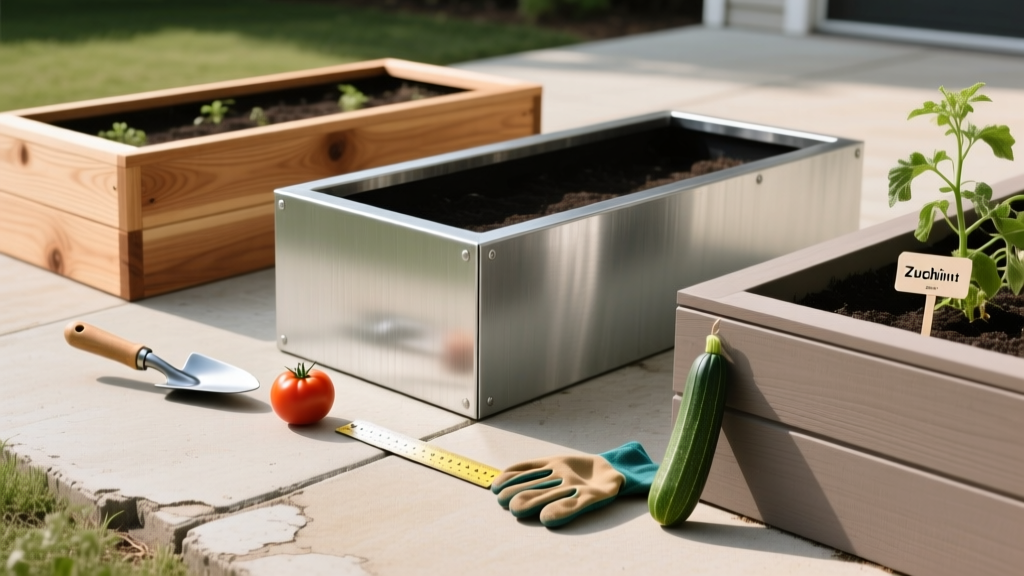
Best Raised Garden Beds: Cedar vs Steel vs Composite
Mike RodriguezPublished
The Great Raised Bed Debate: Choosing the Right Material
Raised bed gardening has completely transformed how homeowners approach vegetable and flower cultivation. By elevating your soil, you gain superior drainage, better weed control, and the ability to customize your soil profile for specific crops. However, before you can fill a bed with rich, loamy compost, you must make a critical decision: what material should your raised beds be made of?
The market is currently dominated by three primary materials: natural cedar wood, galvanized steel, and recycled composite. Each material offers distinct advantages regarding longevity, aesthetics, heat retention, and overall cost. According to the Oregon State University Extension, selecting the right structural material is just as important as the soil you put inside it, as the material dictates the bed's lifespan and can influence soil temperature and moisture retention.
In this comprehensive product review and comparison guide, we will break down the pros, cons, and costs of cedar, steel, and composite raised garden beds to help you make the best investment for your backyard.
Cedar Raised Garden Beds: The Classic Choice
Western Red Cedar has long been the gold standard for wooden raised beds. Unlike pine or fir, cedar contains natural oils called thujaplicins, which act as a built-in fungicide and insect repellent. This natural resistance allows cedar to withstand constant contact with moist soil without rotting prematurely or requiring chemical treatments.
Pros and Cons of Cedar
- Pros: Beautiful, natural aesthetic that blends seamlessly into garden landscapes; excellent insulation properties keep soil temperatures stable; naturally rot-resistant without chemical leaching; easy to modify or cut to fit custom spaces.
- Pros: Biodegradable and environmentally sustainable when sourced from certified forests.
- Cons: Higher upfront cost compared to untreated softwoods; will eventually weather to a silvery-gray patina unless sealed; lifespan is shorter than metal or composite (typically 10 to 15 years).
Cost and Assembly
A standard 4x8 foot cedar raised bed kit (12 inches deep) typically costs between $150 and $250. Assembly is generally straightforward, utilizing pre-cut corner brackets and screws. However, cedar is heavy, and moving the assembled bed into place requires two people.
Galvanized Steel Raised Beds: The Modern Workhorse
Galvanized steel raised beds, popularized by brands like Vego Garden and Birdies, have surged in popularity over the last five years. These beds are constructed from corrugated steel sheets coated in a layer of zinc to prevent rust. They offer a sleek, modern, or rustic farm-style aesthetic depending on the finish.
Pros and Cons of Galvanized Steel
- Pros: Exceptional lifespan (20 to 30+ years); completely immune to rot, termites, and burrowing pests; lightweight panels make shipping and assembly easy; corrugated design adds structural integrity without needing bulky corner braces.
- Cons: Metal conducts heat, which can cause soil to dry out faster in peak summer and potentially stress shallow-rooted plants; sharp edges on cheaper kits can be a hazard; difficult to modify or drill into for custom trellis attachments.
Cost and Assembly
Steel beds are surprisingly competitive in price. A 4x8 foot galvanized steel kit usually ranges from $180 to $300. Assembly involves bolting the corrugated panels together with rubber washers to ensure a watertight seal. The Old Farmer's Almanac notes that metal beds are particularly advantageous in wetter climates where wooden beds might succumb to fungal rot.
Composite Raised Beds: The Low-Maintenance Contender
Composite raised beds are manufactured from a blend of recycled wood fibers and high-density polyethylene (HDPE) plastics. Brands like Frame It All have engineered these boards to mimic the look of real wood while offering the indestructible nature of plastic lumber.
Pros and Cons of Composite
- Pros: Zero maintenance required (no sanding, staining, or sealing); will never rot, splinter, or attract insects; modular stacking designs allow for easy height adjustments; retains the insulating properties of wood.
- Cons: Highest upfront cost of the three materials; can bow or warp if not properly braced in longer spans; dark colors can absorb significant heat; not biodegradable at the end of its life cycle.
Cost and Assembly
Expect to pay a premium for composite materials. A 4x8 foot composite kit generally costs between $250 and $450. Assembly is often tool-free or requires only a rubber mallet to slide the boards into corner joints, making it the most user-friendly option for beginners.
Head-to-Head Comparison Chart
| Feature | Western Red Cedar | Galvanized Steel | Recycled Composite |
|---|---|---|---|
| Average Cost (4x8) | $150 - $250 | $180 - $300 | $250 - $450 |
| Expected Lifespan | 10 - 15 Years | 20 - 30+ Years | 15 - 25 Years |
| Heat Retention | Low (Insulating) | High (Conductive) | Medium |
| Assembly Difficulty | Moderate | Easy to Moderate | Very Easy |
| Pest Resistance | High | Very High | Very High |
| Eco-Friendliness | High (Biodegradable) | Medium (Recyclable) | Medium (Recycled content) |
Which Material is Safest for Growing Food?
A common concern among vegetable gardeners is whether raised bed materials will leach harmful chemicals into the soil and, subsequently, into their food. Let's address the safety profile of each material.
Expert Insight: According to Penn State Extension, gardeners should avoid using pressure-treated lumber manufactured before 2004, as it often contained Chromated Copper Arsenate (CCA). Modern raised bed kits, however, utilize safe alternatives or natural materials.
Cedar is universally recognized as the safest option. Its natural rot resistance means no chemical preservatives are required. Composite boards made from HDPE and wood flour are chemically inert and do not leach BPA or phthalates into the soil. Galvanized Steel is coated in zinc. While zinc can theoretically leach into highly acidic soils (pH below 5.0), most vegetable gardens are maintained at a pH of 6.0 to 7.0, where zinc remains stable. Furthermore, zinc is an essential plant micronutrient, making the risk of toxicity virtually nonexistent in properly managed garden soils.
Soil Temperature and Moisture Considerations
The material you choose directly impacts your soil's microclimate. Cedar and composite act as insulators, keeping the soil cooler during the blistering heat of July and warmer during the frosty nights of early spring. This stability is crucial for moisture retention and protecting beneficial soil microbes.
Galvanized steel, conversely, absorbs and transfers solar radiation. In cooler, northern climates, this is a massive advantage, as it warms the soil earlier in the spring, extending your growing season. However, in hot, southern climates like Texas or Florida, steel beds can overheat, cooking shallow roots and requiring daily watering. If you choose steel in a hot climate, consider mulching heavily or planting heat-loving crops like okra, sweet potatoes, and peppers near the edges.
Final Verdict: Which Should You Buy?
There is no single 'best' material; the right choice depends on your budget, climate, and aesthetic preferences.
- Choose Cedar if: You want a traditional, natural look, prioritize soil insulation, and don't mind replacing your beds in 15 years. It remains the top choice for organic purists.
- Choose Galvanized Steel if: You want a lifetime investment, struggle with heavy pest pressure (like gophers or termites), or live in a wet climate where wood rots quickly. It is the best value for long-term durability.
- Choose Composite if: You have a higher upfront budget, want a wood-like appearance with zero maintenance, and prefer a modular system that you can easily expand or stack higher as you age.
Whichever material you select, ensure you place a layer of galvanized hardware cloth at the bottom of the bed to deter burrowing rodents, and fill your new raised bed with a high-quality blend of topsoil, compost, and aeration materials for a bountiful harvest.
