Gardening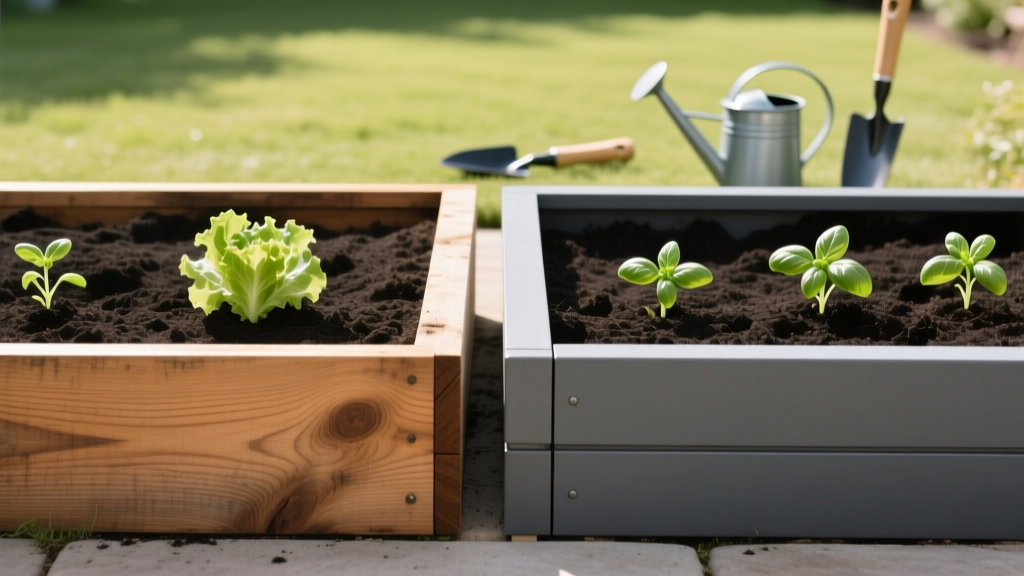
Cedar vs Composite Raised Garden Beds: Which is Best?
Mike RodriguezPublished
The Great Garden Debate: Wood vs. Engineered Materials
Raised garden beds have revolutionized home gardening, offering superior drainage, better soil control, and reduced strain on the back. However, before you can start planting your tomatoes, carrots, or vibrant zinnias, you must make a critical structural decision: what material should you use to build your beds? For modern gardeners, the debate almost always narrows down to two heavyweights: natural Western Red Cedar versus engineered Composite Lumber.
Choosing the right material impacts not only the aesthetics of your landscape but also the long-term health of your soil, the size of your wallet, and the amount of weekend maintenance you will endure. According to research highlighted by Penn State Extension, the material you choose for your raised beds directly impacts soil temperature, moisture retention, and long-term garden maintenance. In this comprehensive guide, we will pit cedar against composite in a head-to-head comparison, analyzing costs, durability, soil safety, and environmental impact to help you make the best choice for your garden.
The Case for Western Red Cedar
Western Red Cedar has long been the gold standard for natural raised garden beds. Unlike pine or spruce, which rot rapidly when in direct contact with damp soil, cedar contains natural oils called thujaplicins. These oils act as a built-in fungicide and insect repellent, granting the wood exceptional resistance to decay and rot without the need for chemical treatments.
Pros of Cedar
- Natural Aesthetics: Cedar offers a beautiful, warm, rustic look that blends seamlessly into natural landscapes. Over time, it weathers to an elegant silvery-gray patina.
- Soil Insulation: Wood is a natural insulator. Cedar boards help buffer the soil inside the bed from extreme temperature fluctuations, keeping roots cooler in the summer and warmer in the winter.
- Customizability: Because you are buying standard lumber, you can cut cedar to any exact dimension, allowing for custom shapes, tiered beds, or built-in bench seating along the edges.
- Biodegradability: At the end of its life, cedar will naturally decompose, returning to the earth without leaving behind microplastics or synthetic debris.
Cons of Cedar
- Limited Lifespan: Even with its natural rot resistance, cedar in direct ground contact will eventually succumb to moisture and fungi, typically lasting 10 to 15 years.
- Maintenance: To prolong its life and maintain its original color, cedar requires periodic sealing with raw linseed oil or a garden-safe wood preservative.
- Splintering: As cedar ages and dries, it can crack and splinter, which can be a hazard for bare hands and knees.
The Case for Composite Lumber
Composite lumber is a modern engineered material typically made from a blend of recycled wood fibers and high-density polyethylene (HDPE) plastics. Originally designed for decking, composite materials have been adapted for garden use by brands like Frame It All and Trex, offering a virtually maintenance-free alternative to natural wood.
Pros of Composite
- Extreme Durability: Composite lumber is entirely immune to rot, fungal decay, and wood-boring insects. A well-built composite bed can easily last 25 to 50 years.
- Zero Maintenance: You will never need to sand, stain, or seal a composite bed. A simple wash with a hose and mild soap keeps it looking brand new.
- Modular Assembly: Many composite garden bed kits feature interlocking corner joints and stacking pins, allowing for tool-free assembly and easy expansion in subsequent seasons.
- Consistent Sizing: Unlike natural wood, which can warp, twist, or bow, composite boards remain perfectly straight, ensuring your garden beds always have crisp, clean lines.
Cons of Composite
- Thermal Conductivity: Composite materials, particularly darker colors, can absorb and retain significant heat from the sun. This can bake the soil on the outer edges of the bed, potentially stressing shallow-rooted plants.
- Bowing Under Pressure: Wet soil is incredibly heavy. Long, unsupported spans of composite lumber can bow outward over time unless reinforced with internal cross-bracing or aluminum stakes.
- Environmental End-of-Life: While made from recycled materials, composite lumber is notoriously difficult to recycle once it reaches the end of its lifespan, often ending up in a landfill.
Head-to-Head Comparison Chart
To visualize how these two materials stack up against each other across critical gardening metrics, review the comparison table below:
| Feature | Western Red Cedar | Composite Lumber |
|---|---|---|
| Upfront Cost (4x8 ft bed) | $120 - $160 | $250 - $350+ |
| Expected Lifespan | 10 - 15 Years | 25 - 50+ Years |
| Maintenance Required | Moderate (Oiling, checking hardware) | Very Low (Occasional washing) |
| Soil Temperature Buffer | Excellent (Natural insulator) | Poor (Absorbs and transfers heat) |
| Assembly Difficulty | High (Requires cutting, drilling) | Low (Often modular/interlocking) |
| Chemical Leaching Risk | None (100% Natural) | Negligible (Inert plastics) |
Cost Analysis: Upfront Investment vs. Long-Term Value
When budgeting for a garden, the initial price tag is usually the most glaring factor. For a standard 4-foot by 8-foot raised bed that is 11 inches deep (requiring six 2x8x8 boards), Western Red Cedar is the clear winner for upfront affordability. Depending on your local lumber market, cedar boards cost between $18 and $25 each. Add in heavy-duty exterior screws and galvanized corner brackets, and your total material cost will hover around $140 to $180.
Composite lumber, on the other hand, carries a premium. Solid composite boards are heavy and expensive, while hollow composite boards are lighter but require specialized end-caps. A comparable 4x8 composite kit from a major retailer typically ranges from $250 to over $350. However, as The Old Farmer's Almanac notes, evaluating garden structures requires looking at the long-term return on investment. If a cedar bed lasts 12 years and a composite bed lasts 40 years, the composite bed actually costs less per year of use, provided you plan to stay in your home and garden long enough to realize the savings.
Soil Safety and Plant Health
One of the primary reasons gardeners avoid pressure-treated lumber (especially older varieties treated with Chromated Copper Arsenate, or CCA) is the fear of chemical leaching into the soil and subsequently into their food crops. Both cedar and composite excel in soil safety, but in different ways.
Cedar is entirely natural. You can grow organic vegetables directly against the wood with zero concerns about synthetic toxins. The only caveat is if you choose to treat the exterior of the cedar with a water sealant; you must ensure the sealant is food-safe and plant-friendly, such as raw linseed oil or a specialized garden wax.
Composite lumber is chemically inert. The plastics and wood fibers are tightly bound, meaning they do not leach heavy metals or toxic preservatives into the soil. However, the primary concern with composite is thermal transfer. Dark-colored composite boards left in the midday sun can reach surface temperatures exceeding 140°F (60°C). This heat transfers to the outer three inches of soil, creating a hostile environment for delicate root systems. To mitigate this, gardeners using composite should opt for lighter colors (like slate gray or sand) and line the interior walls with a layer of natural burlap or bubble foil to insulate the soil.
Durability, Maintenance, and Climate Considerations
Your local climate plays a massive role in determining which material will perform best. In wet, humid environments like the Pacific Northwest or the deep South, natural wood faces constant assault from moisture, moss, and wood-decaying fungi. In these regions, composite lumber's total immunity to rot makes it an incredibly attractive, low-maintenance option.
Conversely, in arid, high-UV climates like the Southwest, composite materials can suffer from thermal expansion and contraction. The intense sun can cause composite boards to warp or push out of their interlocking joints if not properly anchored. Cedar handles UV exposure by simply drying out and turning gray; while it may develop superficial checks (cracks), its structural integrity remains largely unaffected by the sun alone.
Pro-Tip for Composite Builders: If you are building a composite bed longer than 4 feet, you must install aluminum or composite cross-braces every 4 feet. Wet soil exerts thousands of pounds of lateral hydrostatic pressure, and without cross-bracing, composite boards will inevitably bow outward in the center.
Environmental Impact and Sustainability
The eco-conscious gardener must also weigh the environmental footprint of their materials. Cedar is a renewable resource. When sourced from responsibly managed forests (look for FSC certification), it represents a natural carbon sink. However, logging, milling, and transporting heavy lumber does carry a carbon footprint.
Composite lumber is championed for its use of post-consumer and post-industrial recycled plastics, diverting millions of milk jugs and plastic bags from landfills. It also reduces the demand for old-growth timber. However, the manufacturing process is energy-intensive, and the resulting hybrid material is virtually impossible to separate and recycle at the end of its life. It is a choice between a biodegradable natural product and a synthetic product that upcycles waste but ultimately ends up in a landfill decades later.
Final Verdict: Which Should You Choose?
There is no single 'best' material; the right choice depends entirely on your budget, your climate, and your gardening philosophy.
Choose Western Red Cedar if: You are on a strict upfront budget, you prioritize a natural, traditional garden aesthetic, you want the best possible insulation for your soil, and you don't mind spending an afternoon every few years oiling the wood to extend its life. Cedar is the purist's choice for organic vegetable gardeners who want a fully biodegradable landscape.
Choose Composite Lumber if: You view your garden as a permanent landscape installation, you live in a wet or termite-prone climate, you despise the idea of sanding and sealing wood, and you prefer modular, easy-to-assemble kits. Composite is the ultimate 'set it and forget it' material for the modern, busy homeowner who wants their garden infrastructure to outlast their time in the house.
By carefully weighing the upfront costs against the decades-long benefits, you can select the perfect raised bed material that will frame your harvests and blooms beautifully for years to come.
